Septum Piercing Guide: 2026 Edition
Whether you're considering your very first facial piercing or looking to enhance your existing collection, understanding all aspects of septum piercings can significantly improve your experience. This comprehensive guide covers the most pertinent details from proper placement and healing time to aftercare and common problems.
- Does a septum piercing hurt a lot?
- The pain level is moderate, usually 3-4 out of 10, brief. The eye-watering reflex felt during the initial piercing is more due to nose anatomy rather than discomfort.
- Can I hide a septum piercing at work?
- Yes! Septum piercings are popular for this very reason. You can flip it inside your nostril to make it invisible and allow you to look professional.
- How long does a septum take to heal?
- The healing process typically lasts 2-3 months, with full healing occurring in approximately 6 months. Septum piercings generally heal faster than cartilage piercings.
- What gauge is a standard septum piercing?
- A standard septum piercing gauge size is usually 16g, though some individuals may prefer the slightly larger 14g for their comfort and desired look.
- Can I get a septum piercing if I have a deviated septum?
- Piercers can still perform septum piercings on individuals with mild to moderate deviation. However, it is crucial that they carefully assess the placement of your piercing before proceeding.
- When can I change my septum jewelry for the first time?
- The first jewelry swap should be done by a professional piercer at least 6-8 weeks after initial healing and at least 3 months after full healing.
- Is a septum piercing hard to take care of?
- A well-maintained septum can be easy to care for with proper cleaning techniques, but it’s important to avoid common mistakes like rotating the jewelry or exposing it to harsh chemicals.
- What is the sweet spot for a septum piercing?
- The "sweet spot" for a septum is typically found in the thin area of tissue between the cartilage and the tip. It's often located at least 1/4 inch from the end of the nostril, though this can vary based on individual anatomy.
Table: Jewelry Type | Look | Ease of Hiding | Ease of Removal | Pain to Insert
| Jewelry Type | Look | Ease of Hiding | Ease of Removal | Pain to Insert |
|---|---|---|---|---|
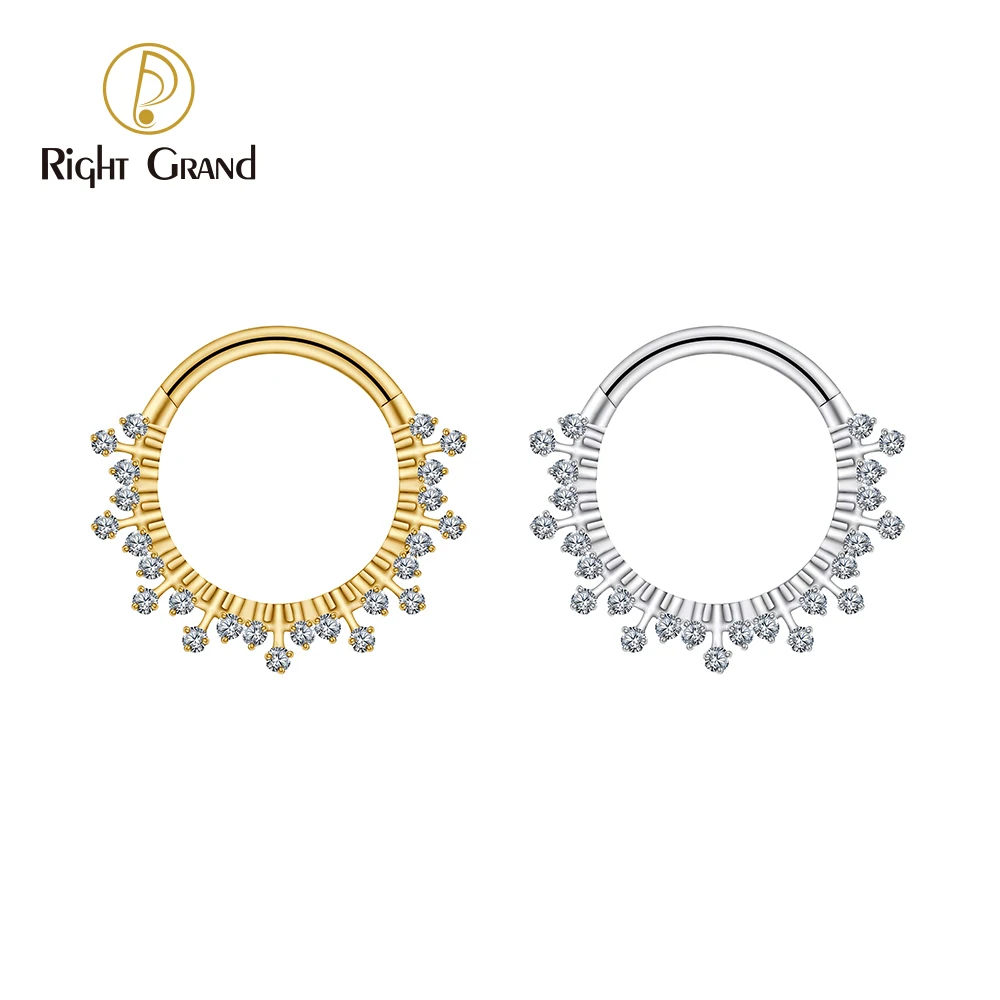
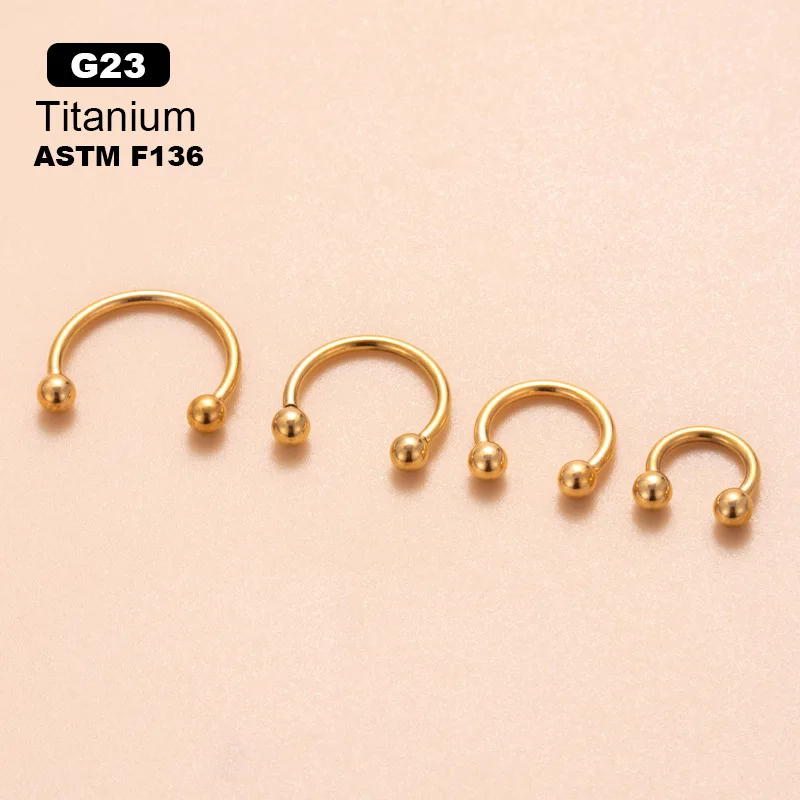
| Circular Barbell (Horseshoe) | The classic, most versatile look | Medium - Very easy to flip inside the nose when not wearing jewelry | Easy | Moderate - 3-4/10 |
| Captive Bead Ring | A classic and attractive design | Easy - Flip into place with fingers or tweezers for removal | Medium - Easy to flip inside the nose, but can be more difficult if jewelry is in a different position | Moderate - 3-4/10 |
| Clicker Ring | A popular and easy-to-manage option with secure click mechanism | Easy - Flip into place, very easy to remove by pulling up the nose slightly | Moderate - Easy to flip inside the nose or pull out gently by the ring itself for removal | Moderate - 3-4/10 |
| Septum Pincher/Talon | A unique and modern look with a secure clamping mechanism | Medium - Easy to flip inside the nose, but can be more difficult if jewelry is in a different position | Easy - Flip into place or pull out by the ring itself for removal | Moderate - 3-4/10 |
| Retainer | A clear/flesh-toned straight bar option designed for those who prefer an unobtrusive look | Very Easy - Flip into place with fingers or tweezers, very easy to remove by pulling the nose slightly | Moderate - Easy to flip inside the nose or pull out gently by the ring itself for removal | Easy - Very minimal pain during insertion as it is a straight barbell that doesn’t move once in place |
Contact Information:
Multnomah Body Piercing
1861 NE Division St, Gresham, OR 97030
Phone: (503) 669-4191
Shop Piercing Jewelry