Is My Piercing Infected or Just Irritated?
Understanding the difference between irritation and infection is crucial for proper care of your piercings. Most "infections" are actually irritations, which can often be managed at home with attention to aftercare.
- I have white discharge from my piercing — is it infected?
- No, this is usually a sign of irritation and not an infection. Normal healing includes clear or pale yellow/white discharge (lymph fluid). Irritation can be managed with proper aftercare.
- My piercing is red and sore — should I remove the jewelry?
- Do not remove your jewelry unless directed by a doctor and piercer together, as keeping it in helps drain infection. Use LITHA method (saline 2x/day) instead of removing jewelry to avoid trapping bacteria.
- What does an infected piercing smell like?
- An infected piercing may have a foul odor due to pus or other discharge caused by bacterial growth. If you notice any change in the smell, it is important to seek medical advice as soon as possible.
- How do I treat a piercing bump at home?
- Piercing bumps can often be managed with proper aftercare and eliminating irritants. Common causes include wrong jewelry material, snag injuries, or tight/forgotten jewelry. See your piercer for professional assessment and guidance.
- Is green discharge always infection?
- No, a single instance of green discharge does not necessarily mean an infection. It can be part of the normal healing process, especially if it's clear or pale yellow/white with no other symptoms like fever or spreading redness.
- Can I use Neosporin on an infected piercing?
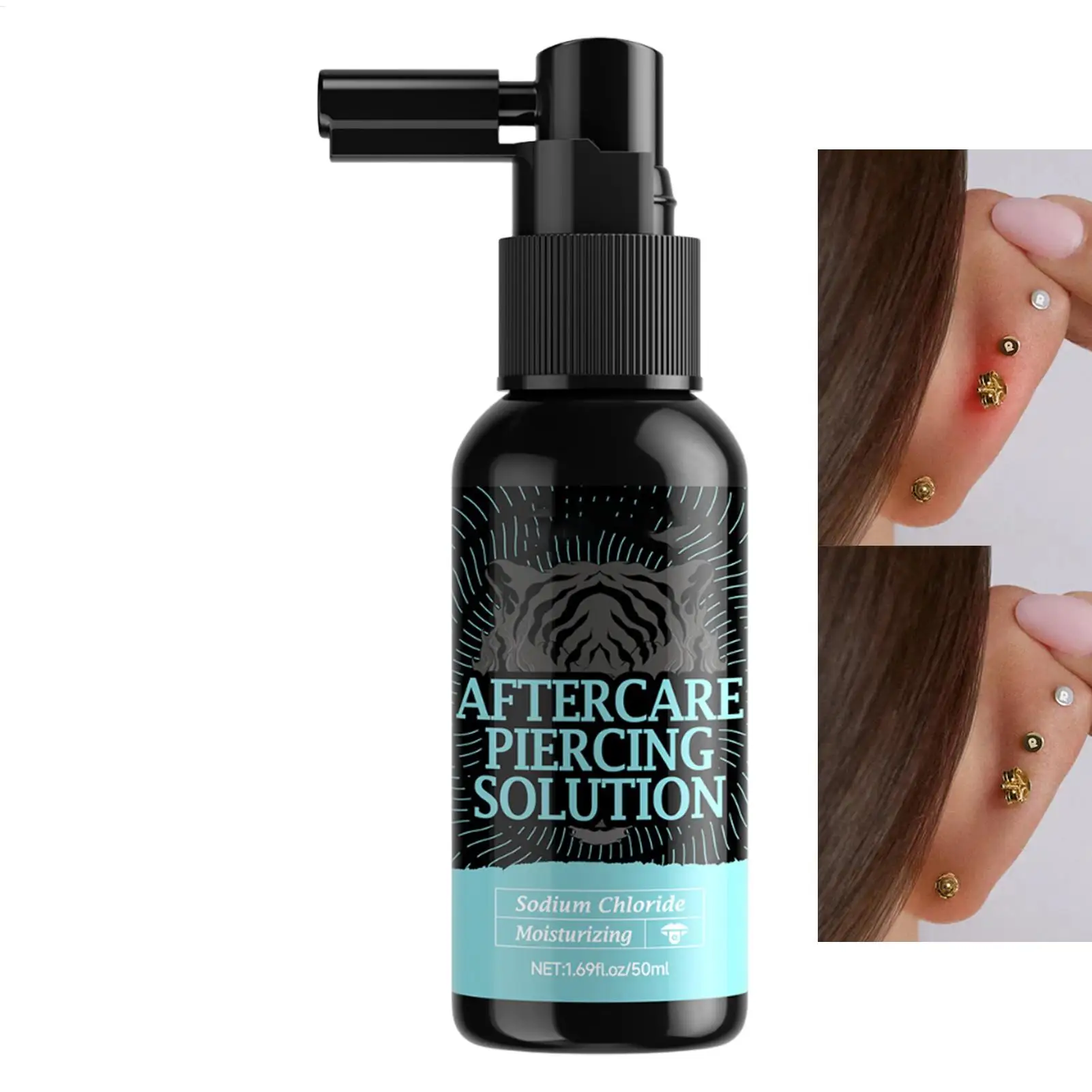
- No, avoid using products such as Neosporin, Bactine, or hydrogen peroxide. These can worsen the infection and delay healing. Follow professional aftercare advice from your piercer for proper treatment.
- My piercing has been irritated for 3 months — what's wrong?
- If irritation persists longer than usual (typically within a few weeks), consult with your piercer or seek medical evaluation for any signs of infection, such as fever or spreading redness. Persistent irritation may require professional intervention to prevent complications.
- Should I see a doctor or a piercer first for my piercing problem?
- If you are unsure about the severity of an issue and it has not improved within 7-10 days, consider seeing your piercer first for advice. If you notice systemic signs like fever, chills, swollen lymph nodes, or if it's been longer than 2 weeks since the initial piercing, seek medical attention immediately.
- Can an irritated piercing turn into an infected one?
- Yes, irritation can progress to infection if not properly managed. Signs of this progression include hotness, throbbing pain, pus with foul smell, or spreading redness beyond the piercing site. Immediate action and professional guidance are necessary.
- Is it normal for a new piercing to be sore and slightly swollen?
- Yes, within the first few weeks after a piercing, you may experience some level of discomfort due to healing process. This is considered normal, but any persistent or worsening symptoms should prompt attention from your piercer.
| Symptom | Irritation | Infection |
| Redness that comes and goes | X | |
| Tenderness or mild soreness | X | |
| Clear/white discharge (lymph fluid) | X | |
| Small bump (irritation bump vs keloid/keloid) | X | |
| Itching | X | |
| Jewelry moving/angling differently | X | |
| Hot to the touch, throbbing pain | X | |
| Foul-smelling discharge (pus) | X | |
| Spreading redness | X | |
| Fever, chills, swollen lymph nodes (systemic infection) | X |
- I have white discharge from my piercing — is it infected?
- No, this is usually a sign of irritation and not an infection. Normal healing includes clear or pale yellow/white discharge (lymph fluid). Irritation can be managed with proper aftercare.
- My piercing is red and sore — should I remove the jewelry?
- Do not remove your jewelry unless directed by a doctor and piercer together, as keeping it in helps drain infection. Use LITHA method (saline 2x/day) instead of removing jewelry to avoid trapping bacteria.
- What does an infected piercing smell like?
- An infected piercing may have a foul odor due to pus or other discharge caused by bacterial growth. If you notice any change in the smell, it is important to seek medical advice as soon as possible.
- How do I treat a piercing bump at home?
- Piercing bumps can often be managed with proper aftercare and eliminating irritants. Common causes include wrong jewelry material, snag injuries, or tight/forgotten jewelry. See your piercer for professional assessment and guidance.
- Is green discharge always infection?
- No, a single instance of green discharge does not necessarily mean an infection. It can be part of the normal healing process, especially if it's clear or pale yellow/white with no other symptoms like fever or spreading redness.
- Can I use Neosporin on an infected piercing?
- No, avoid using products such as Neosporin, Bactine, or hydrogen peroxide. These can worsen the infection and delay healing. Follow professional aftercare advice from your piercer for proper treatment.
- My piercing has been irritated for 3 months — what's wrong?
- If irritation persists longer than usual (typically within a few weeks), consult with your piercer or seek medical evaluation for any signs of infection, such as fever or spreading redness. Persistent irritation may require professional intervention to prevent complications.
- Should I see a doctor or a piercer first for my piercing problem?
- If you are unsure about the severity of an issue and it has not improved within 7-10 days, consider seeing your piercer first for advice. If you notice systemic signs like fever, chills, swollen lymph nodes, or if it's been longer than 2 weeks since the initial piercing, seek medical attention immediately.
- Can an irritated piercing turn into an infected one?
- Yes, irritation can progress to infection if not properly managed. Signs of this progression include hotness, throbbing pain, pus with foul smell, or spreading redness beyond the piercing site. Immediate action and professional guidance are necessary.
- Is it normal for a new piercing to be sore and slightly swollen?
- Yes, within the first few weeks after a piercing, you may experience some level of discomfort due to the healing process. This is considered normal, but any persistent or worsening symptoms should prompt attention from your piercer.
- What are FDA regulations for body jewelry?
- How do I choose implant-grade titanium?
- Why is sterilization important?
- Can I use natural or homemade aftercare products?
- Are there different types of body piercings and their specific requirements?
- What are the best ways to manage piercing pain?
- Can over-the-counter medications like ibuprofen help with piercing pain?
- Are there any techniques for reducing pain during and after a piercing?
- What are the safety measures taken at Multnomah Body Piercing?
- How can I ensure that my piercer follows proper hygiene practices?
- Are there specific risks associated with certain body piercing areas or types of jewelry?
- Is Multnomah Body Piercing the original studio in Oregon?
- Where is your office located and how do I get there?
- What services does Multnomah Body Piercing offer besides body piercings?
- How can I connect with the community of piercing enthusiasts?
- Are there any social media platforms where you share information about new piercings or upcoming events?
- Can you provide tips on maintaining a positive image in the body modification community?
- What is your pricing structure for different types of piercings?
- Does insurance cover body piercing procedures?
- Are there any discounts available based on payment methods or other factors?
- How do I properly care for my newly pierced area?
- What are common aftercare mistakes people make and how can they be avoided?
- Are there specific tips for maintaining piercings over time?
- What are the different types of body piercings available, such as ear, nose, lip, belly button, etc., and what does each entail?
- How do I choose the right jewelry for a specific piercing type?
- What special offers or promotions are available from Multnomah Body Piercing?
- Are there any packages available to save money on multiple piercings?
- How can I take advantage of these specials, and what steps should I follow?
- Are there any upcoming events or community gatherings hosted by Multnomah Body Piercing?
- How can I stay informed about these events and join them?
- Are there specific social media platforms where you engage with your community, such as Instagram or Facebook?
- What types of content do you share on these platforms to keep the community engaged and informed?
- How does body modification fit into the broader culture, such as fashion or art?
- What role do you see for Multnomah Body Piercing in this cultural context?
- What are some popular types of jewelry materials, such as surgical steel or implant-grade titanium?
- How do I choose the right jewelry material for a specific piercing type and how does this affect healing time?
- What are some popular types of jewelry materials, such as surgical steel or implant-grade titanium?
- How do I choose the right jewelry material for a specific piercing type and how does this affect healing time?
- What are some popular types of jewelry materials, such as surgical steel or implant-grade titanium?
- How do I choose the right jewelry material for a specific piercing type and how does this affect healing time?
- What are some popular types of jewelry materials, such as surgical steel or implant-grade titanium?
- How do I choose
Shop Piercing Jewelry