Ear Lobe Piercing Aftercare Guide 2026: Complete Guide
Understanding the Ear Lobe Piercing Healing Timeline
When you get an ear lobe piercing, understanding the healing process is essential for successful aftercare. Most ear lobe piercings take between 6 to 8 weeks to heal completely, though some individuals may experience full healing in as little as 4-6 weeks. The initial healing phase is critical—during this time, your body is working to form a protective tissue channel around the jewelry.
At Multnomah Body Piercing, our experienced piercers emphasize that the first two weeks are the most delicate period. During this time, the piercing is still raw and vulnerable to infection. The tissue surrounding the piercing will likely appear slightly red or swollen, which is completely normal. You may also notice clear or slightly yellowish lymph fluid, which is your body's natural healing response and should not be confused with infection.
It's important to note that while the initial healing takes 6-8 weeks, the tissue channel continues to strengthen and mature for several months afterward. This is why we recommend leaving jewelry in place for at least 8-12 weeks before changing it out, even if the piercing feels healed.
Daily Ear Lobe Piercing Aftercare Instructions
Proper daily care is the foundation of successful ear lobe piercing healing. The following routine should become part of your daily hygiene regimen during the healing period:
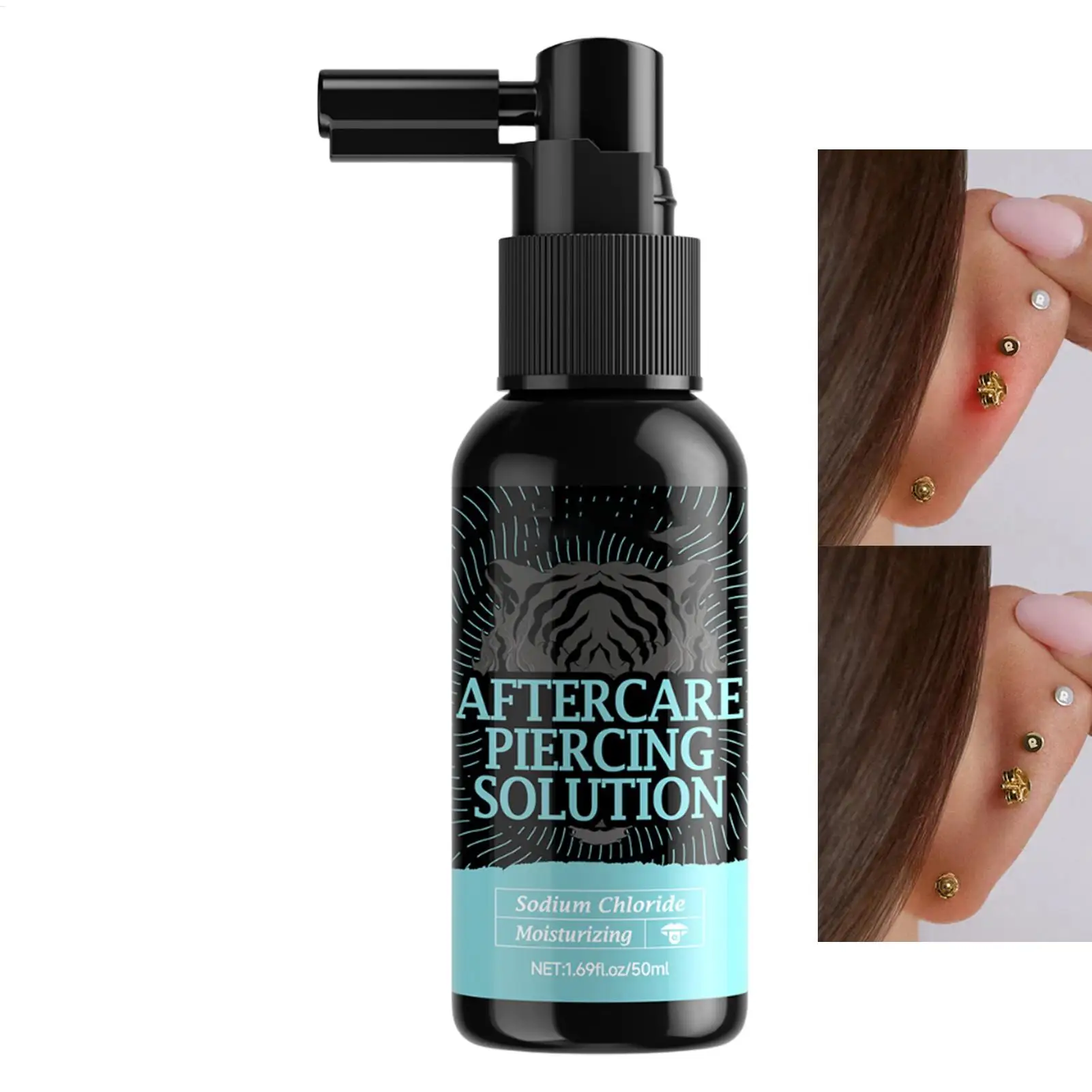
- Saline solution cleansing: Clean your piercing 2-3 times daily with a sterile saline solution. You can purchase pre-made saline solutions or create your own by mixing 1/4 teaspoon of non-iodized sea salt with 8 ounces of distilled water. This mimics your body's natural salt content and won't irritate the piercing.
- Gentle washing technique: Use a clean cotton swab or gauze pad to apply the saline solution around the piercing. Never use your fingers directly, as they transfer bacteria. Gently soak the area for 5-10 minutes to loosen any crusties.
- Pat dry thoroughly: After cleaning, pat the area dry with a clean paper towel—not a cloth towel, which can harbor bacteria and lint. Moisture creates an environment where bacteria thrive, so ensuring the piercing is completely dry is crucial.
- Avoid touching: Resist the urge to twist, turn, or play with your jewelry. Every touch introduces bacteria and can delay healing by 1-2 weeks or longer.
- Leave jewelry in place: Don't remove or change your jewelry during the initial 6-8 week healing period. The piercing can close remarkably quickly—sometimes within hours—if jewelry is removed too early.
The team at Multnomah Body Piercing recommends that you set phone reminders for your daily cleaning routine, especially during the first few weeks. Consistency is far more important than intensity when it comes to aftercare.
What to Avoid During Ear Lobe Piercing Healing
Just as important as knowing what to do is understanding what to avoid during the healing process. Certain activities and substances can significantly compromise your piercing's health:
- Swimming and hot tubs: Chlorine, salt water, and the bacteria in hot tubs can introduce harmful pathogens. Avoid swimming for at least 3-4 weeks, and if you must swim, apply antibiotic ointment and cover with a waterproof bandage.
- Hair products and makeup: Keep hairspray, dry shampoo, gel, and makeup away from the piercing area. These products create a barrier that traps bacteria and prevents proper healing. If you style your hair, tie it back to keep it away from your ears.
- Alcohol-based products: Don't use rubbing alcohol, hydrogen peroxide, or other harsh antiseptics. These damage healthy tissue cells and can actually slow healing. Stick exclusively to saline solution.
- Sleeping on the pierced side: For the first 2-3 weeks, try to sleep on the opposite side. Pressure from sleeping can cause irritation and swelling. Use a clean pillowcase and consider a travel pillow if needed.
- Tight headwear: Avoid helmets, headbands, hats, or earbuds that put pressure on or rub against the piercing during the initial healing phase.
- Excessive heat and sun exposure: Prolonged sun exposure and heat can irritate the piercing. Use sunscreen on the area if you'll be in the sun for extended periods.
Recognizing Infection vs. Normal Healing
While some redness, swelling, and clear fluid discharge are normal parts of ear lobe piercing healing, certain signs indicate a potential infection that requires attention:
Normal healing signs: Mild redness, slight swelling, clear or pale yellow lymph discharge, minor discomfort, and crusty buildup around the jewelry are all expected during the first 1-3 weeks.
Signs of infection to watch for: Excessive pus (thick, yellow, or green discharge), intense pain that worsens after the first week, severe swelling that spreads beyond the immediate area, fever, red streaks radiating from the piercing, or a foul smell are all red flags. If you experience any of these symptoms, contact a healthcare provider immediately.
Multnomah Body Piercing can also provide guidance if you're uncertain about your healing progress. Our piercers have decades of combined experience and can often distinguish between normal healing and complications that need professional attention.
Choosing the Right Jewelry for Healing
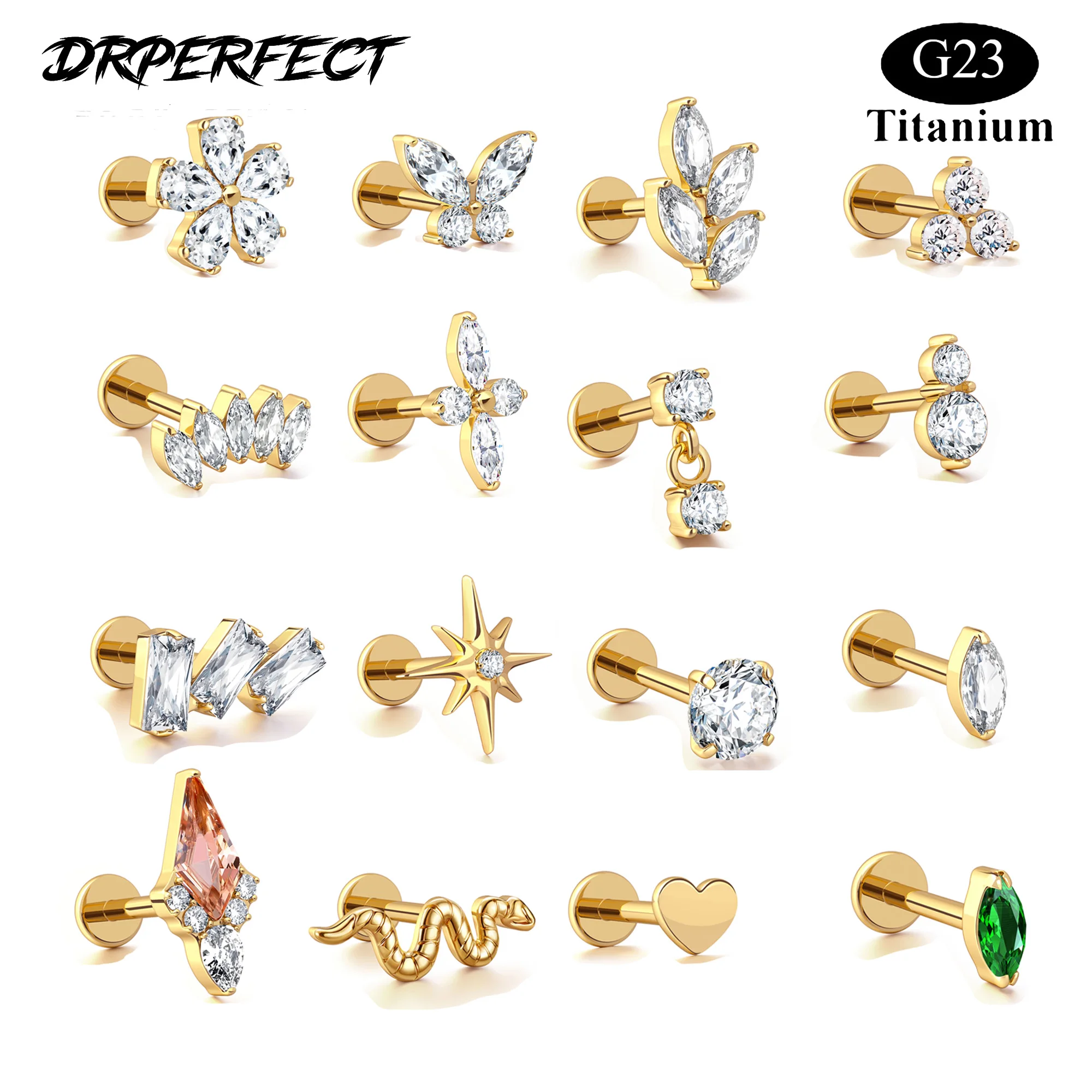
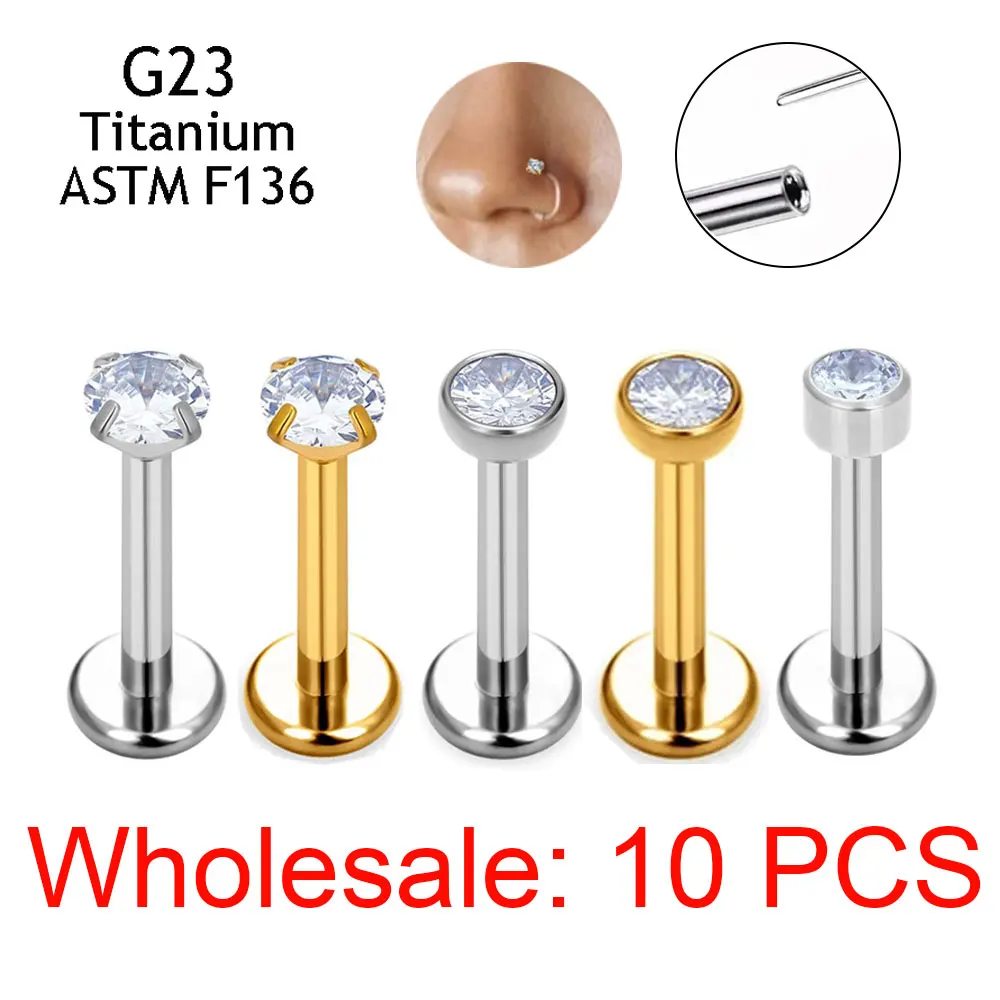
The type of jewelry you wear during the healing period directly impacts how well your ear lobe piercing heals. High-quality implant-grade titanium or solid gold are the recommended materials for fresh piercings. These materials are hypoallergenic and resist corrosion, meaning they won't leach harmful chemicals into your healing tissue.
Avoid cheap jewelry made from plated metals, surgical steel with nickel content, or acrylic during healing. Even a small nickel content (as little as 1%) can trigger allergic reactions in sensitive individuals, causing prolonged inflammation and delayed healing.
The gauge (thickness) of your jewelry also matters. Most standard ear lobe piercings use 16 or 18 gauge jewelry, which is an appropriate size that minimizes trauma during piercing and allows for proper healing. Ensure your initial jewelry is smooth with no rough edges that could irritate the tissue.
Timeline for Jewelry Changes and Next Steps
Once your ear lobe piercing has fully healed, you'll have the freedom to change your jewelry. Here's a realistic timeline:
- 4-6 weeks: Piercing appears healed on the surface but is still fragile internally
- 6-8 weeks: Safe to make your first jewelry change for most people
- 8-12 weeks: Recommended timeframe for initial jewelry change to ensure full healing
- 3+ months: Piercing is fully mature; you can change jewelry freely without risk of closure
If you need assistance changing your jewelry or have questions about which styles are appropriate for your healed piercing, the professionals at Multnomah Body Piercing are always available to help. We can ensure proper jewelry insertion and verify that your piercing has healed correctly before you switch to new pieces.
By following these comprehensive aftercare guidelines, your ear lobe piercing will heal beautifully and remain healthy for years to come. Remember that patience and consistency are key—proper aftercare in these initial weeks sets the foundation for a lifetime of jewelry enjoyment. When you're ready to get your ear lobes pierced or need expert guidance on your healing journey, visit Multnomah Body Piercing, Oregon's original piercing family since 1974. Our experienced piercers are ready to help you achieve the perfect piercing with professional care every step of the way.
Frequently Asked Questions
how long does it take for ear lobe piercing to heal
Earlobe piercings typically take 6-8 weeks to fully heal, though this can vary depending on individual healing rates and aftercare practices. Multnomah Body Piercing recommends following a consistent cleaning routine during this period to ensure proper healing and reduce infection risk.
what should i do to care for my new ear piercing
Clean your piercing 2-3 times daily with saline solution or sterile salt water, avoiding touching it with dirty hands and removing crusties gently with a clean paper towel. Keep the area dry, sleep on the opposite side if possible, and avoid swimming or submerging the piercing until fully healed—the experts at Multnomah Body Piercing provide detailed aftercare instructions specific to your piercing.
can i change my earrings right after getting pierced
No, you should wait until the piercing is completely healed (6-8 weeks for earlobes) before changing jewelry to prevent irritation, infection, or the hole closing up. Multnomah Body Piercing advises leaving the initial jewelry in place and avoiding unnecessary manipulation during the healing process.
what are signs of infection in a new ear piercing
Warning signs include excessive redness, swelling, pus or unusual discharge, severe pain, warmth around the piercing, or fever. If you notice any of these symptoms, contact Multnomah Body Piercing or a healthcare provider immediately, as infections require professional attention.
is it normal to have crusty stuff around my ear piercing
Yes, some crusting and lymph discharge is normal during healing and doesn't necessarily indicate infection. Gently clean these away with saline solution during your daily aftercare routine, and if the crusting persists excessively or is accompanied by pain or swelling, reach out to Multnomah Body Piercing for guidance.
when can i go swimming after getting my ears pierced
You should avoid swimming, hot tubs, and submerging your piercing in water for at least 6-8 weeks until fully healed, as chlorine and bacteria can cause infection. Multnomah Body Piercing recommends waiting the full healing period before exposing your new piercing to pools or ocean water.