| Placement | Conch Placement | Flat/Scapha Placement |
|---|---|---|
Inner conch (bowl of ear) |
pierced inside the inner curve of the ear | pierced in the flat cartilage between helix and antihelix |
Pain Levels |
5-7/10, can be more intense | 5-7/10 |
Healing Time |
6-12 months | 6-12 months |
Jewelry Types |
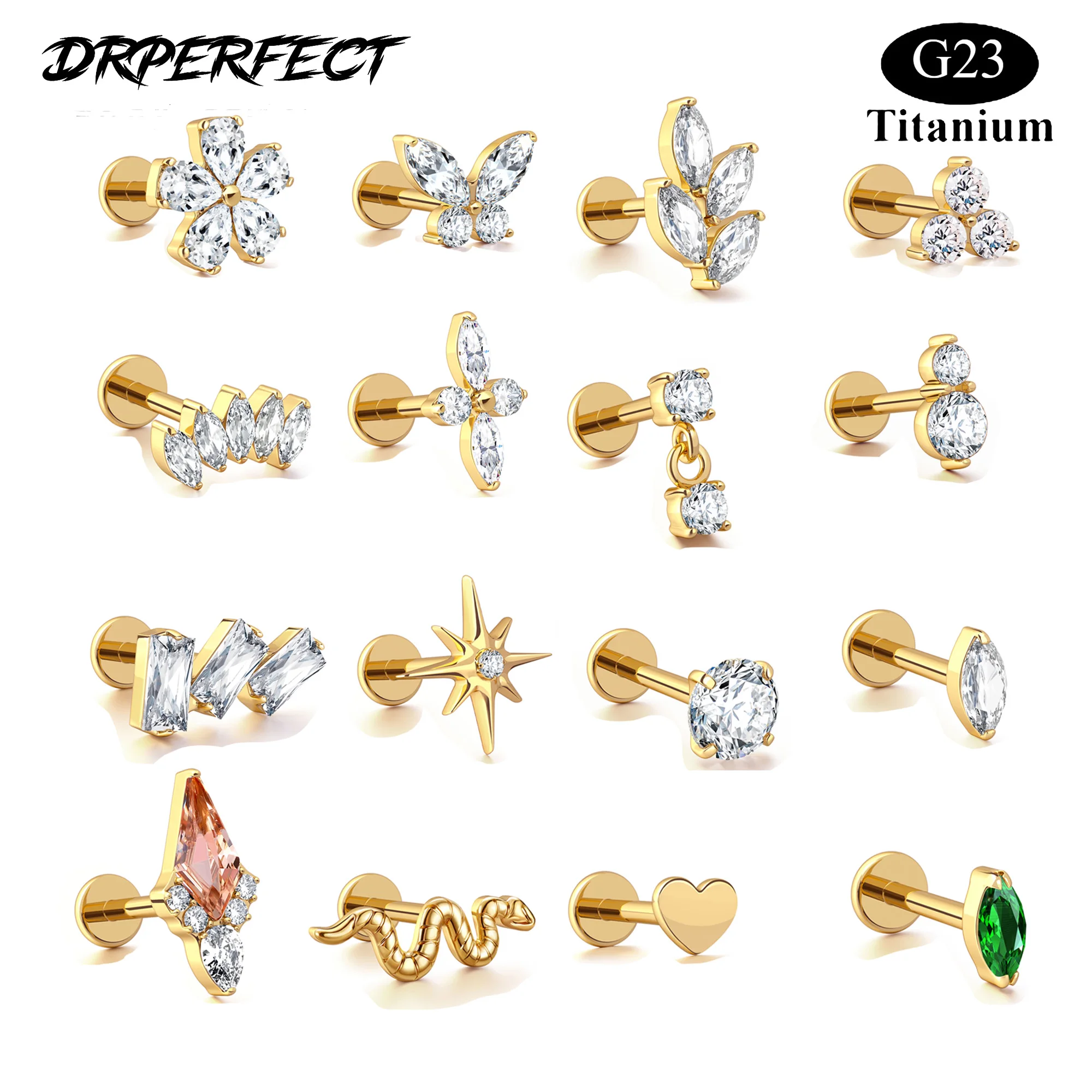
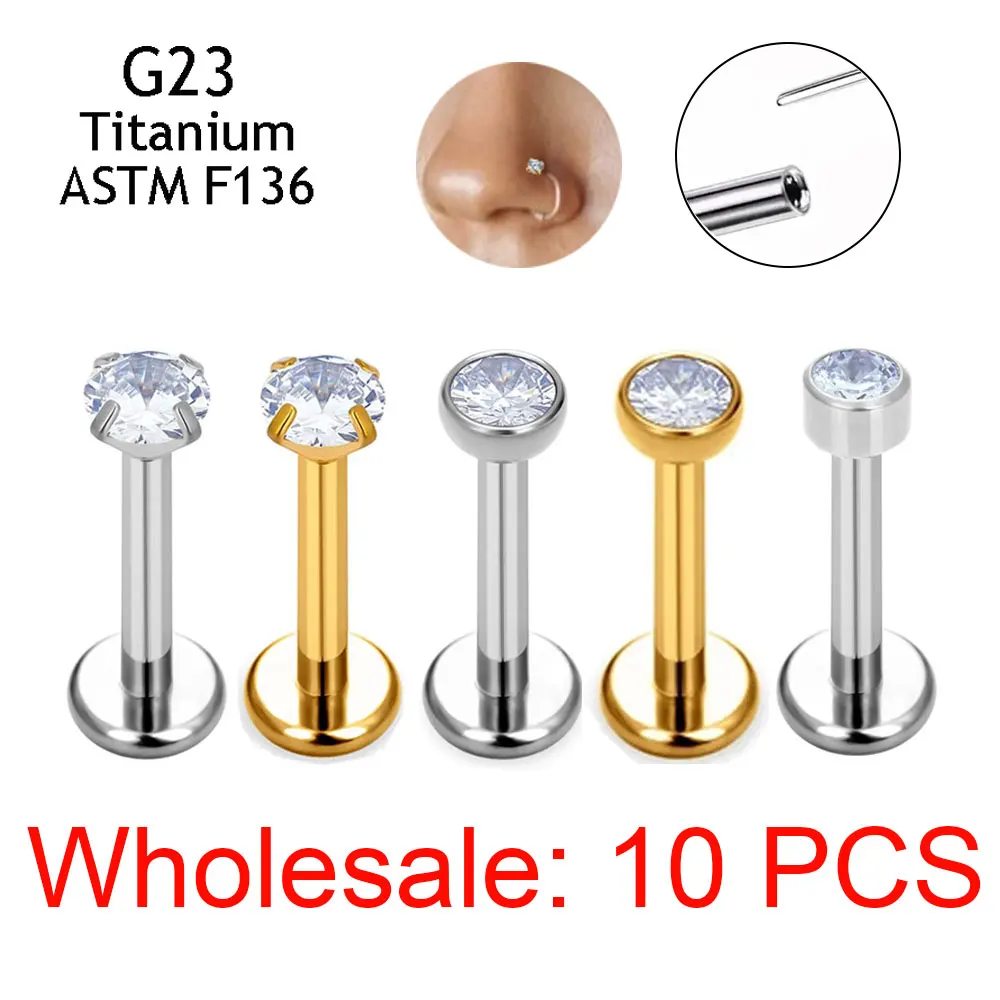
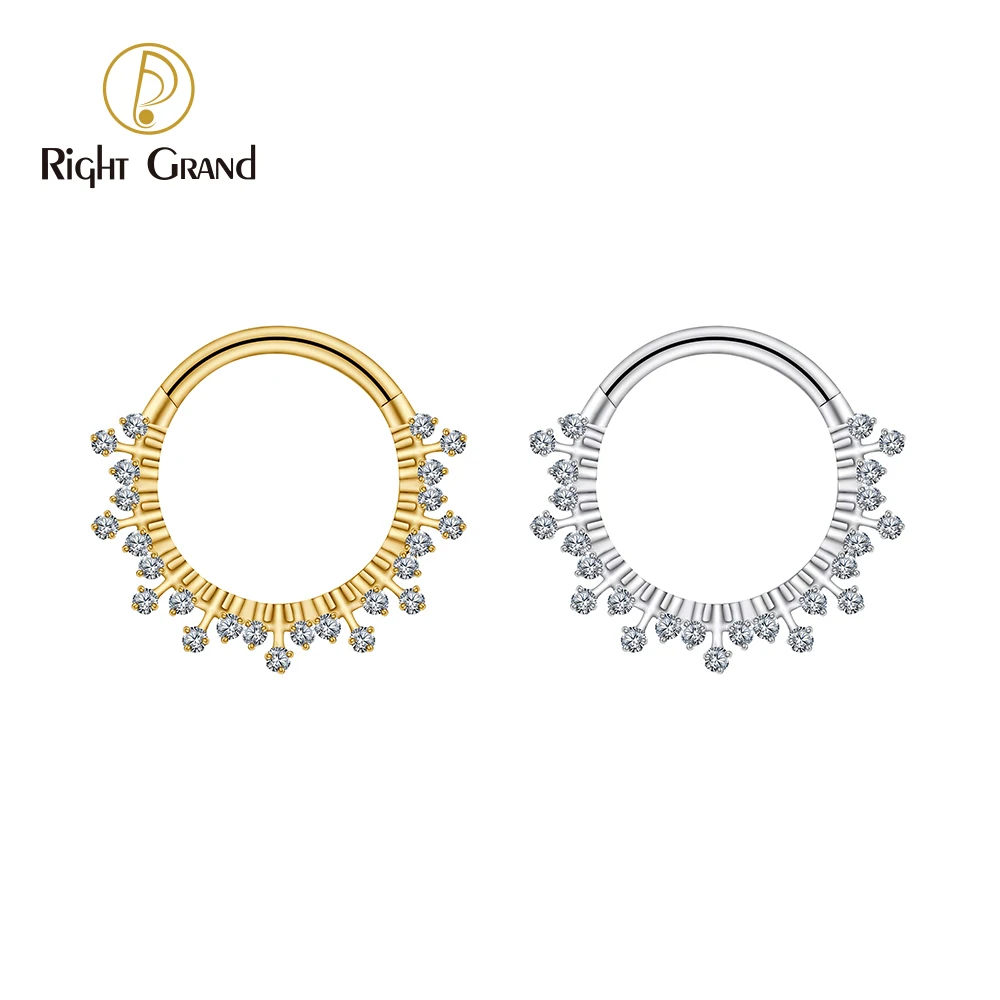
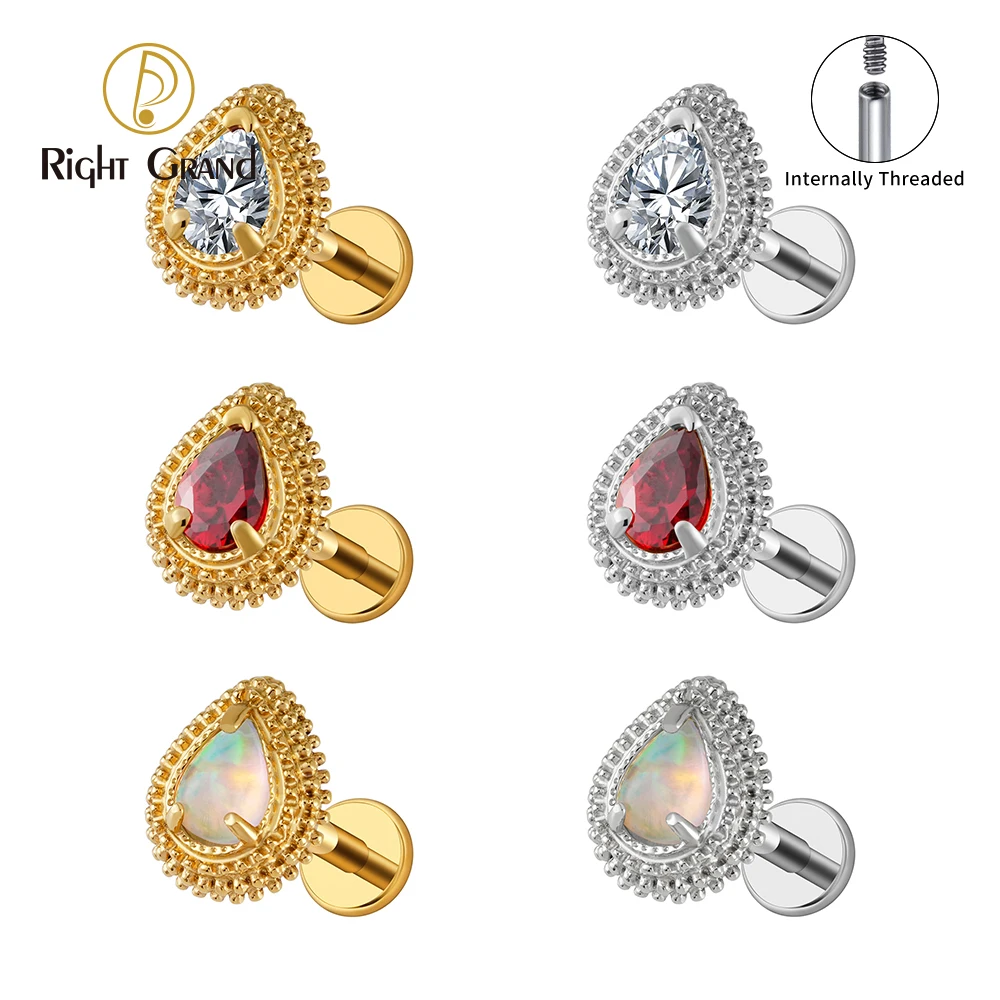
Large ring through conch, stud/labret | Flatback labret, small stud |
Inner vs Outer Conch |
Pain levels can differ, inner is more common | Pain levels are similar; both commonly used |
The conch orbital (ring through both sides of conch) |
Not applicable | Available, may offer unique visibility options |
Anatomy Suitability |
Varies by individual, outer more common due to potential damage risk | Varies by individual; often suitable for those without significant conchal cartilage |
Visibility and Aesthetics Comparison |
Potentially less noticeable, requires specific jewelry placement | Much more visible, can be used to create interesting designs and styles |
Which Looks Better for Ear Curation/Stacking? |
Outer conch may look better due to less visibility and potential risk of damage | Flattened or stacked designs can be more visible and artistic, but risks are higher |
- Q: What is the cost for an ear piercing at Multnomah Body Piercing?
- The exact cost for a single piercings can vary based on placement and materials used, but typically ranges from $30 to $50. Additional fees apply for follow-up visits or special equipment.
- Q: Why is it important that conch piercings are done by an experienced piercer?
- An experienced piercer can assess the suitability of inner and outer conch placements, minimize risk of damage, and ensure proper healing conditions. This helps prevent infection or other complications.
- Q: Is there a difference in cost for different jewelry types used with each placement?
- No, the cost is generally consistent regardless of whether you choose to use large rings through conch, stud/labret jewelry, flatback labret, or small studs. However, additional costs may apply if you need specialized equipment.
- Q: Which placement (conch vs flat/scapha) offers better visibility for artistic ear piercings?
- The conch placement provides more visibility and is often preferred for creating unique and artistic designs, as the jewelry can be placed inside the natural curve of the ear. However, risks are higher due to potential damage to the inner part of the ear.
- Q: If I opt for a conch orbital (ring through both sides of conch), how does this affect cost and visibility?
- The cost can vary based on materials used. Visibility is significantly increased due to the unique placement, which allows for jewelry that sits inside the natural curves of the ear. This design may require specialized equipment from the piercer.
- Q: What should I expect if my conch piercing becomes irritated or inflamed?
- If a conch piercing is irritated, it may be due to improper healing care, infection, or jewelry issues. Treatment options include cleaning with antiseptic solutions, removing any contaminated jewelry, and possibly using antibiotic ointment as needed. In some cases, the jewelry may need to be changed if irritation persists.
Shop Piercing Jewelry