Pain Levels for Various Piercings
- Earlobe (1-2)
- The earlobe is generally the least painful piercing. It's typically numb from swelling when you get it, reducing sensation during the procedure.
- Septrum sweet spot (2-3)
- This area is usually less sensitive compared to other septum piercings and thus has a lower pain rating.
- Nostril (3)
- Because of its close proximity to the nose, the nostril piercing often causes more discomfort. The sensation can be intense when it's done right next to a sensitive nerve.
Understanding Pain
Pain levels vary greatly from person to person, as well as depending on the specific anatomy of the area being pierced. Some people might find certain piercings more tolerable than others based on their individual pain tolerance.
The difference between piercing pain and healing pain is also important: Piercing pain refers to the brief, sharp sensation during the actual procedure, whereas healing pain refers to discomfort that can last for several weeks or months. Healing pain often involves aching or soreness rather than severe sharp sensations like during the actual pierce.
A skilled and certified piercer at an APP-certified studio is trained to minimize discomfort by using proper technique and ensuring the needle angle is correct. This reduces both the risk of infection and increases the likelihood that the piercing will heal properly with minimal pain.
Deep breaths during the procedure can help reduce anxiety, which often contributes significantly to perceived pain levels. Breathing techniques can be as simple as taking deep inhales before each movement or focusing on exhaling deeply when you feel discomfort building up.
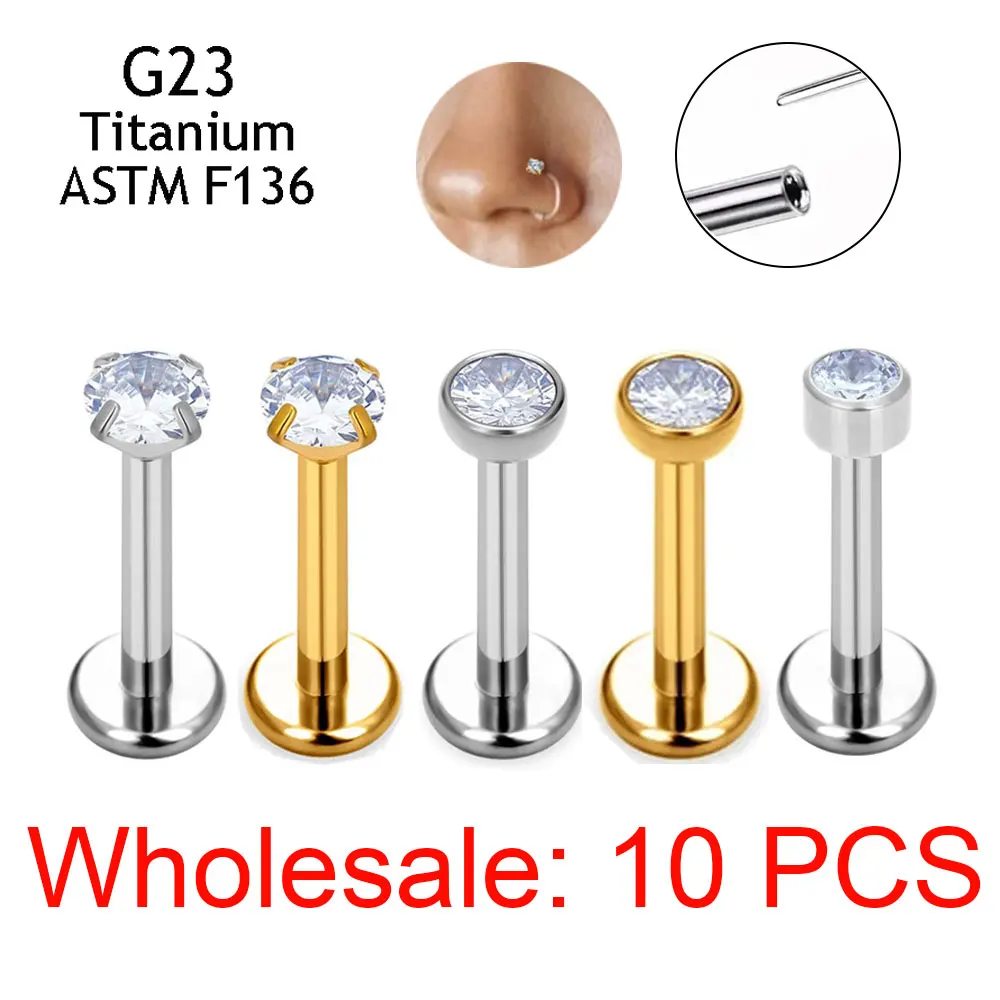
The right equipment is crucial for minimizing pain. Using a fresh and sterilized needle and ensuring that the piercing materials are of high quality (e.g., ASTM F136 implant-grade titanium) can prevent unnecessary trauma during the procedure, thereby reducing overall pain levels.
It's also important to note that cheaper facilities may not have top-notch equipment or skilled technicians, which often leads to more painful procedures and potentially poorer outcomes. This is why experienced professionals at a certified studio like Multnomah Body Piercing in Gresham are recommended for safer, more comfortable piercing experiences.
Pain Comparison Table
| Earlobe (1-2) | Septrum Sweet Spot (2-3) | Nostril (3) | Cartilage/Helix (4-5) | Daith (5-6) | Tragus (5) | |
|---|---|---|---|---|---|---|
| Piercing Pain | 1-2 | 2-3 | 3 | 4-5 | 5-6 | 5 |
| Healing Comfort | 0 | 0 | 0 | 0 | 6 | 8 |
| Overall Pain Level (1-9) | 3 | 4 | 5 | 7 | 8.5 | 7.5 |
- What's the least painful piercing?
- The earlobe and septum sweet spot are generally considered to be among the least painful piercings.
- Does a septum piercing hurt?
- A septum piercing can be uncomfortable, with pain ranging from mild discomfort (1-2) at the most sensitive areas like the septum sweet spot to more intense sensations in other septum piercings. However, with proper technique and an experienced piercer, it's manageable.
- Does a helix piercing hurt more than a lobe?
- The pain levels can vary based on anatomy and individual sensitivity. The helix is often considered to be at least as painful as the earlobe but not significantly more so in most cases, though some people might find it slightly more uncomfortable due to its position.
- How long does piercing pain last?
- Piercing pain typically lasts from a few seconds to a minute or two. It's followed by temporary numbness and discomfort during the healing process.
- What if I'm scared of needles?
- Talk to your piercer about your concerns. Many studios offer various relaxation techniques, including breathing exercises, to help manage anxiety. Some also provide a calming environment that can be beneficial.
- How do piercers minimize pain?
- A skilled and experienced piercer is crucial for minimizing discomfort during the procedure. Techniques like proper needle angle selection, precise placement, and using high-quality equipment all contribute to reducing patient sensitivity and stress.
- Does a daith piercing help migraines?
- The daith piercing has gained popularity due to its location near nerves that can be linked to migraines. However, the effectiveness of this treatment is not definitively proven, and individual responses vary widely.
- Should I take painkillers before a piercing?
- Taking over-the-counter medications such as ibuprofen or acetaminophen in advance can help reduce pain during the procedure. It's important to consult with your piercer about these options and ensure they are safe for you to use, especially if you have existing health conditions.