Ear Piercing Near Beaverton OR: Implant-Grade Titanium Walk-In
Ear Piercing Near Beaverton OR: Why Implant-Grade Titanium Matters
When you're searching for an ear piercing near Beaverton, Oregon, you want more than just a needle and a hole. You want a piercer who understands the science behind safe piercing practices and uses materials that won't compromise your health. Implant-grade titanium has become the gold standard in the professional piercing industry, and for good reason.
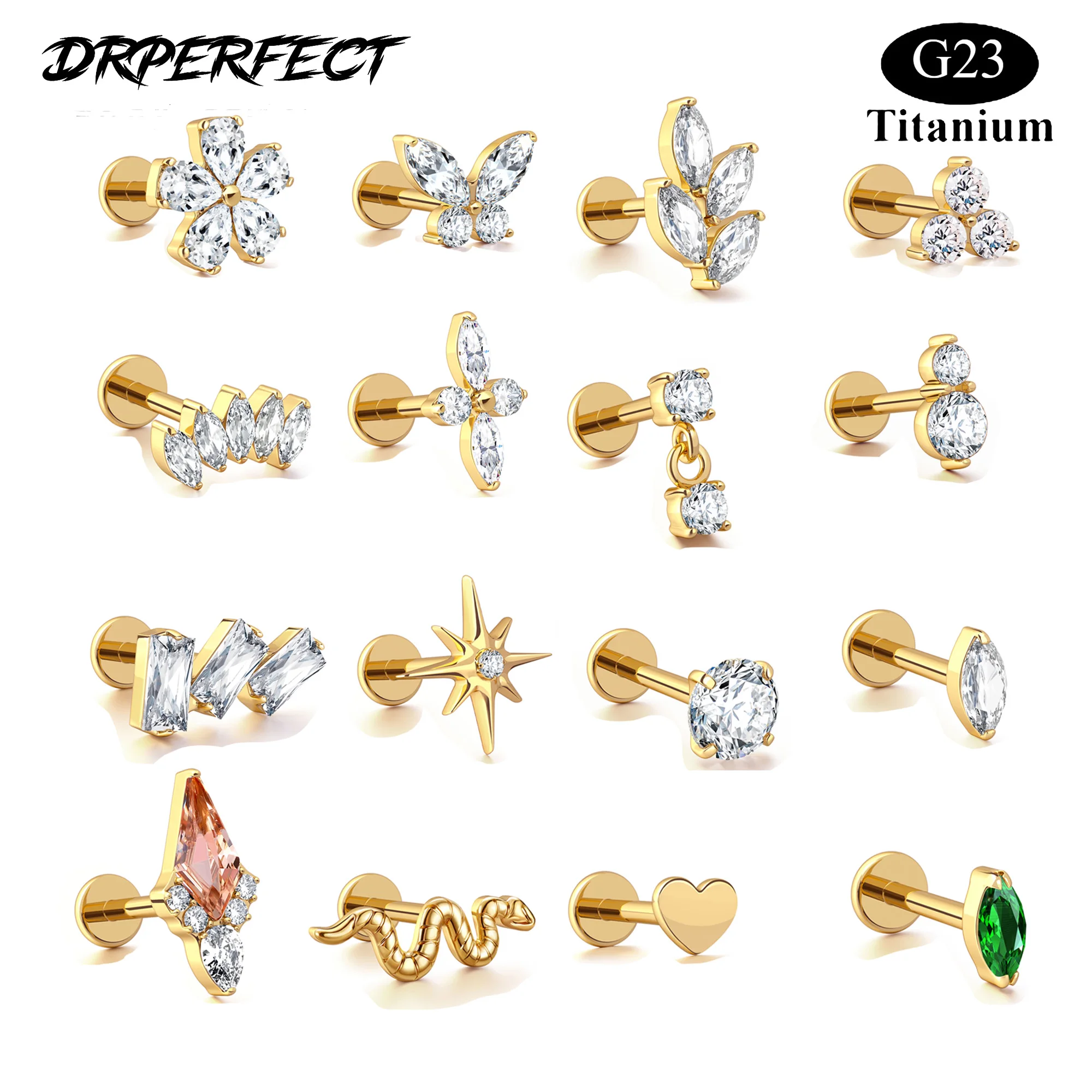
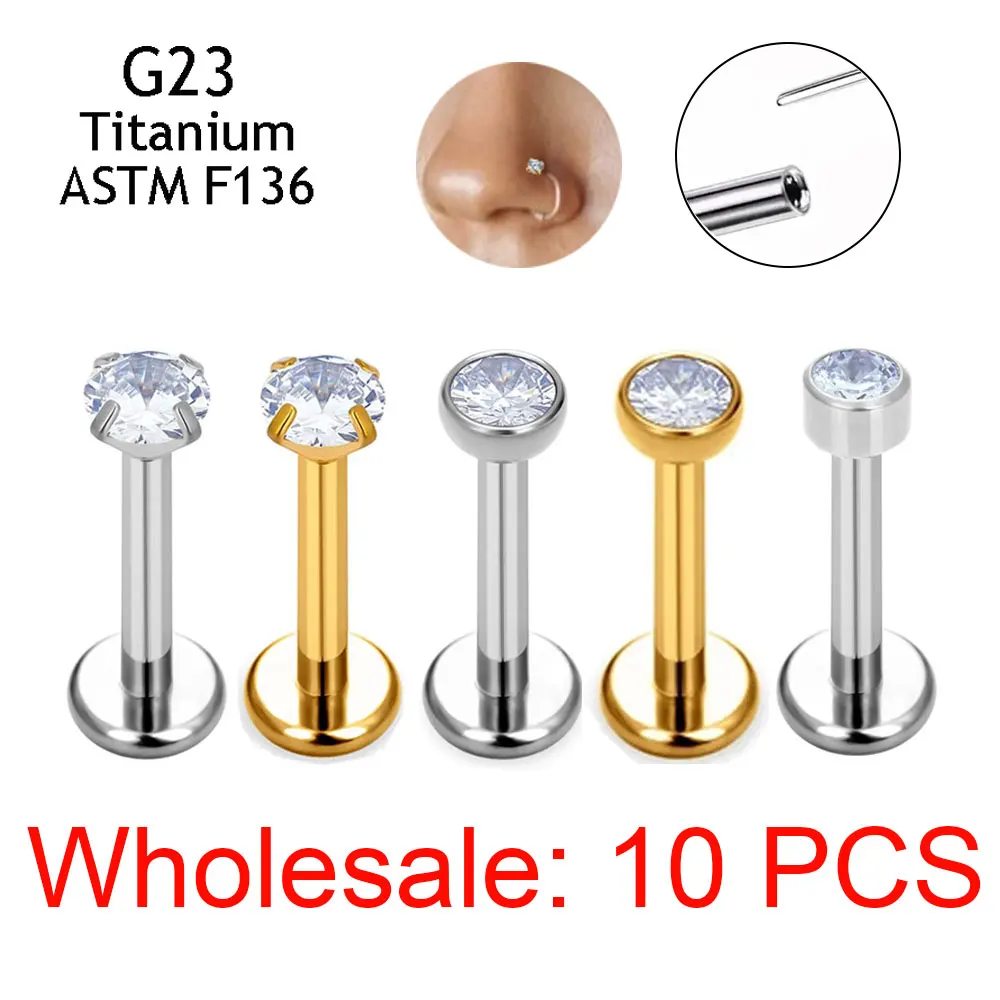
Implant-grade titanium, also known as ASTM F136 or F67, is the same material used in surgical implants and medical devices. This biocompatible metal contains less than 0.05% nickel, making it safe for even the most sensitive skin. Unlike cheap stainless steel or mystery metal alloys found at mall kiosks, implant-grade titanium won't cause allergic reactions, keloids, or chronic irritation. When you choose a piercer who commits to using this material, you're investing in healing that actually works.
At Multnomah Body Piercing, Oregon's original piercing family established in 1974, professionals have been prioritizing client safety and proper technique for nearly 50 years. That's half a century of perfecting the craft and understanding exactly why material choice matters for your ear piercing.
The Beaverton Area's Premier Ear Piercing Destination
Beaverton, Oregon sits in Washington County just west of Portland, home to over 100,000 residents and growing. Yet finding a reputable ear piercing studio in Beaverton itself can be surprisingly challenging. Many people don't realize that piercing studios require specific licensing, bloodborne pathogen training, and proper sterilization equipment—standards that casual piercing services simply don't meet.
Multnomah Body Piercing serves the entire Portland metro area, including Beaverton and surrounding communities. Whether you're driving from downtown Beaverton or the western suburbs near Aloha, you'll find a shop that treats ear piercing as the serious body modification it deserves to be, not a quick tourist activity.
The team at Multnomah understands that an ear piercing might seem simple compared to other body modifications, but ear tissue is delicate and highly visible. Getting it wrong doesn't just mean aesthetic disappointment—it can mean months of healing complications, infection risk, or permanent scarring. That's why they insist on proper placement, appropriate jewelry gauge sizing, and post-piercing education.
Walk-In Ear Piercing Services: Convenience Without Compromising Safety
One of the biggest barriers to getting a proper ear piercing is having to schedule appointments weeks in advance. Multnomah Body Piercing welcomes walk-in clients, recognizing that sometimes you want your piercing done today, not next month. However, they don't sacrifice safety for convenience.
Walk-in service means:
- No lengthy waiting periods or bureaucratic scheduling obstacles
- Professional consultation about placement, sizing, and aftercare before the piercing begins
- Access to implant-grade titanium jewelry selected specifically for your ear anatomy
- Proper sterilization of equipment using an autoclave—the same technology hospitals use
- Detailed written aftercare instructions to ensure proper healing over the 6-12 week period
Many people assume walk-in piercing means low standards. The reality at Multnomah Body Piercing is that walk-in availability reflects confidence in their process and respect for their clients' time. The piercer isn't rushing; they're efficient because they've done thousands of ear piercings correctly.
Understanding Implant-Grade Titanium for Your Ear Piercing
The difference between implant-grade titanium and other metals used in cheap ear piercing jewelry is worth understanding. Here are the facts:
Stainless Steel (often used by non-professional piercers): Despite the name, standard stainless steel can contain 8-10% nickel. For people with nickel sensitivity—which affects approximately 10-15% of the population—this triggers allergic reactions. Symptoms include itching, redness, swelling, and in severe cases, pustules around the piercing site.
Implant-Grade Titanium (ASTM F136): Contains a maximum of 0.05% nickel with superior biocompatibility. It's lighter than steel, more durable, and hypoallergenic. The material integrates naturally with your body during the healing process, reducing rejection risk.
When you get an ear piercing with implant-grade titanium from Multnomah Body Piercing, you're wearing material that's been laboratory tested for biocompatibility. This isn't marketing hype—it's engineering science. The investment in proper jewelry upfront prevents months of healing problems and potential permanent damage to your ear lobe.
Aftercare Practices That Make Healing Faster
Many people don't realize that the piercer's job is only 30% of the equation. The other 70% depends on your aftercare commitment. An ear piercing takes 6-12 weeks to fully heal, depending on placement and individual factors.
Professional piercers at Multnomah Body Piercing provide detailed aftercare instructions that typically include:
- Saline solution cleaning twice daily (not alcohol or peroxide, which damage healing tissue)
- Avoiding sleeping on the pierced ear for the first 2-4 weeks
- Keeping hair off the piercing and away from the wound
- Not changing jewelry until the piercing is fully healed
- Avoiding pools, hot tubs, and ocean water during the initial healing phase
- Using ASTM F136 titanium only during the healing period
The specific instructions you receive after your ear piercing near Beaverton will be customized to your anatomy and lifestyle. A professional piercer knows that a teenager's healing process might differ from an adult's, and that someone working in a dusty environment needs extra precautions compared to someone in an office.
Why Professional Piercing Studios Beat DIY and Department Stores
You've probably seen or considered at-home piercing kits and mall kiosks. Here's why professional ear piercing studios exist: proper technique requires training, precision instruments, and sterile environment control.
Studies show that approximately 25% of ear piercings done outside professional settings develop infections or complications. Professional studios like Multnomah Body Piercing report complication rates below 2%. That's a massive difference in outcomes.
Professional advantages include:
- Proper anatomical landmarks for placement that prevents scarring and rejection
- Hollow needles (not guns) that create cleaner entry wounds
- Single-use, sterile needles for each client
- Professional-grade disinfection and sterilization equipment
- Expert knowledge about tissue types, healing variables, and individual anatomy
When you choose Multnomah Body Piercing for your ear piercing, you're choosing 50 years of institutional knowledge and a reputation built on successful piercings throughout Oregon.
Getting Your Ear Piercing: What to Expect on Your Visit
Walking into Multnomah Body Piercing for an ear piercing is straightforward. The initial consultation involves discussing your piercing goals, checking your ear anatomy, and selecting appropriate jewelry. You'll review aftercare instructions and ask any questions.
The actual piercing takes seconds once everything is prepared. You'll see the sterile needle, feel pressure rather than sharp pain, and watch as your piercer places the implant-grade titanium jewelry while the wound is still fresh. Professional piercers work with precision that ensures proper healing from the first moment.
Total appointment time is typically 15-30 minutes. After leaving with detailed aftercare information, your commitment to healing well determines the final success of your ear piercing.
Ready for your ear piercing near Beaverton, Oregon? Visit Multnomah Body Piercing today as a walk-in or call ahead for availability. Oregon's original piercing family since 1974 is ready to give you the professional ear piercing you deserve with implant-grade titanium and techniques perfected over decades.
Frequently Asked Questions
where can i get ear piercing near beaverton oregon
Multnomah Body Piercing offers professional ear piercing services near Beaverton, OR with implant-grade titanium jewelry that's safe for sensitive skin and new piercings. They provide walk-in services, so you can get pierced without an appointment. Their experienced piercers follow strict sterilization standards to ensure a clean and comfortable experience.
is implant grade titanium safe for ear piercings
Yes, implant-grade titanium is one of the safest materials for ear piercings because it's hypoallergenic and biocompatible, making it ideal for people with metal sensitivities. Multnomah Body Piercing uses implant-grade titanium specifically to minimize the risk of infections and allergic reactions. This material is recommended by professional piercers and dermatologists for fresh piercings.
do i need an appointment for ear piercing in beaverton
No, Multnomah Body Piercing welcomes walk-in clients for ear piercings, so you don't need to schedule an appointment in advance. However, wait times may vary depending on how busy they are, so calling ahead can help you know what to expect. Walk-ins are accommodated on a first-come, first-served basis.
how much does an ear piercing cost near beaverton
Pricing for ear piercings at Multnomah Body Piercing typically includes the piercing service and implant-grade titanium jewelry, though exact costs may vary by location and piercing type. We recommend calling or visiting their shop near Beaverton to get current pricing and any package deals they may offer. Most professional ear piercings range from $40-$80 depending on the specific service.
what aftercare do i need after getting my ears pierced
After getting your ears pierced at Multnomah Body Piercing, you'll need to clean the area 2-3 times daily with saline solution and avoid touching or rotating the jewelry for 6-8 weeks. Keep the piercing dry, avoid swimming and saunas, and sleep on the opposite side to prevent irritation. Multnomah Body Piercing provides detailed aftercare instructions to ensure proper healing.
can i change my earrings right after getting pierced
No, you should wait at least 6-8 weeks before changing your earrings to allow the piercing to heal properly, especially if you got implant-grade titanium jewelry from Multnomah Body Piercing. Changing jewelry too early can cause infection, scarring, or the piercing to close up. Your piercer at Multnomah Body Piercing will provide specific timeline recommendations based on your piercing.