Questions to Ask Your Piercer Before the Appointment
Questions to Ask Your Piercer Before Your Appointment: A Comprehensive Guide
Getting a new piercing is an exciting experience, but choosing the right piercer and studio is one of the most important decisions you'll make in your piercing journey. Before you book that appointment, you should have a detailed conversation with your piercer about safety, aftercare, and expectations. This guide will help you ask the right questions to ensure you're in good hands and prepared for a successful piercing experience.
As someone considering a piercing, you deserve to work with professionals who prioritize your safety and satisfaction. Whether this is your first piercing or your tenth, asking the right questions to your piercer beforehand can make all the difference in achieving beautiful, healthy results. Let's explore the essential questions you should ask during your initial consultation.
Understanding Piercer Credentials and Experience
The first and most critical questions to ask your piercer revolve around their qualifications and experience. Your piercer's background directly impacts the safety and success of your piercing, so don't hesitate to dig deeper into their credentials.
- How many years have you been piercing? Look for piercers with at least 2-5 years of professional experience. Established studios like Multnomah Body Piercing, Oregon's original piercing family since 1974, demonstrate decades of accumulated expertise.
- Are you a member of any professional piercing organizations? Ask if they belong to the Association of Professional Piercers (APP) or similar bodies. APP members adhere to strict safety protocols and continuing education requirements.
- Do you have any certifications or formal training? Quality piercers typically have formal bloodborne pathogen training and certification from organizations like the CDC or local health departments.
- Can you provide references or portfolio examples? Reputable piercers are proud to show before-and-after photos and client testimonials.
During your initial appointment questions, ask if the piercer has specific experience with your desired piercing type. Different piercings require different expertise—what makes someone excellent at nostril piercings may differ from what's needed for industrial or genital piercings.
Safety Protocols and Studio Standards for Your Appointment
Before your appointment, you absolutely must understand the safety measures your piercing studio implements. These questions protect you from infections and complications that affect approximately 4-7% of piercings when proper protocols aren't followed.
- What sterilization method do you use? The gold standard is an autoclave—a machine that sterilizes equipment using high-pressure steam at 250-273°F. Your piercer should use an autoclave for all reusable instruments and be able to explain their sterilization cycle parameters.
- How often is your autoclave tested? Professional studios perform biological indicator tests monthly to ensure proper sterilization. Ask to see documentation of these tests.
- What is your sharps disposal procedure? Used needles should go into a certified medical sharps container, never regular trash.
- Do you use single-use, sterile needles? Always ask about needle sourcing. Quality piercers use hollow needles (not guns) that come from certified medical suppliers in sterile packaging.
- What's your hand hygiene and personal protective equipment protocol? Your piercer should wash hands and wear fresh gloves for each client. Some may wear masks during procedures.
Multnomah Body Piercing maintains rigorous safety standards developed over five decades of operation. Don't settle for studios that can't clearly explain their sterilization procedures—this is non-negotiable for your health and safety.
Jewelry Selection and Material Questions for Your Piercing
The jewelry you wear immediately after your piercing significantly impacts healing. Before your appointment, ask detailed questions about jewelry materials and options to ensure you're getting appropriate pieces for your fresh piercing.
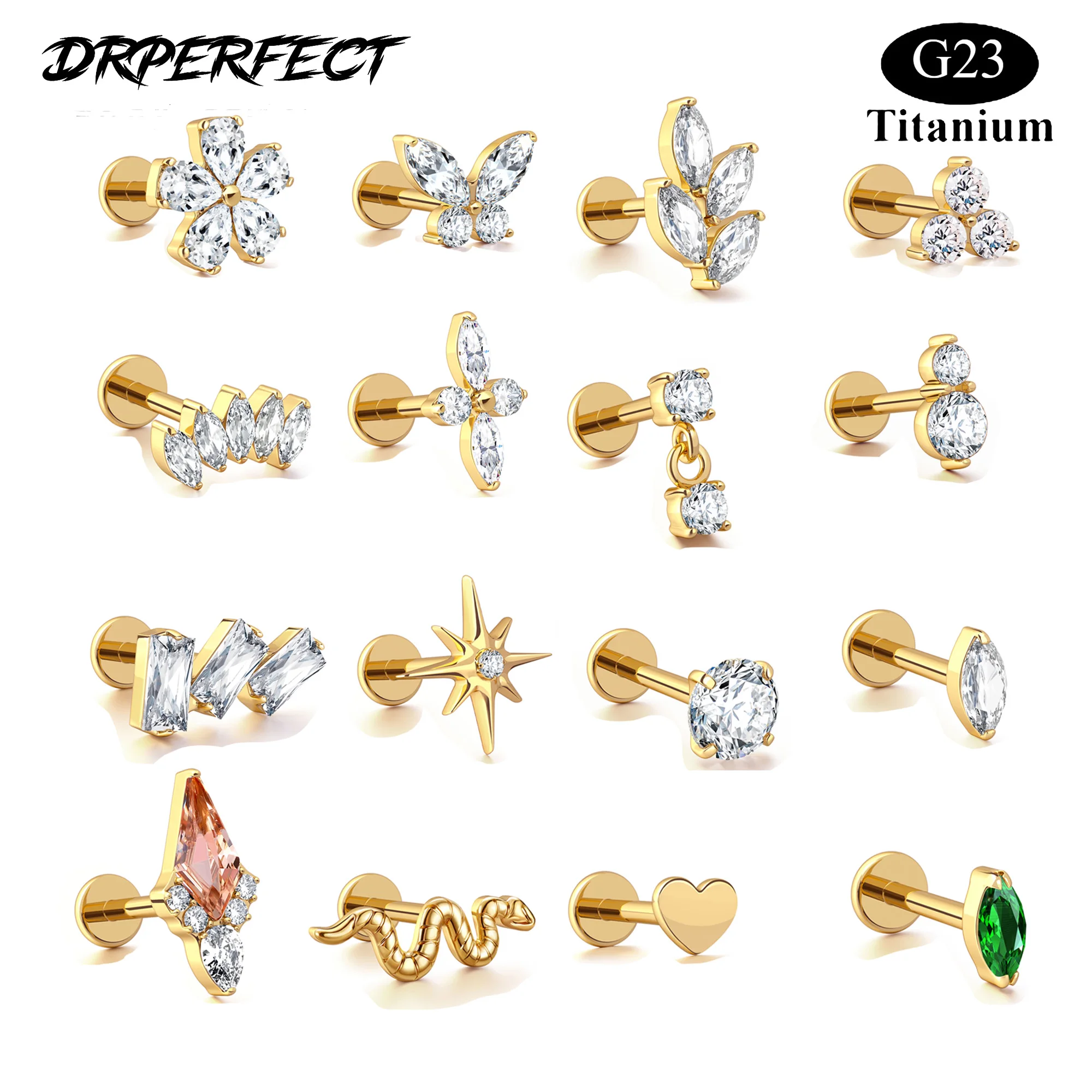
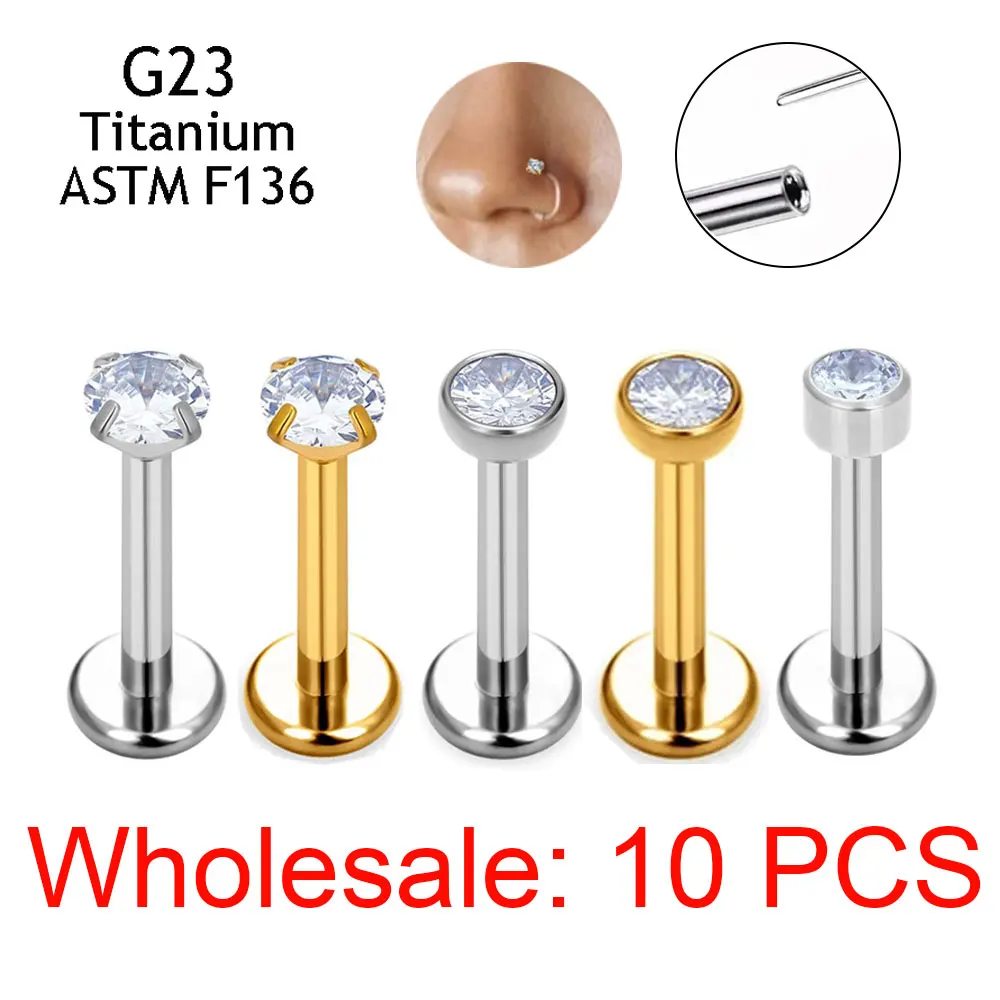
- What jewelry materials do you recommend for fresh piercings? Implant-grade titanium (ASTM F136), solid gold (14k minimum), and surgical steel are appropriate materials. Avoid plated jewelry, which can flake off into the piercing.
- Can I bring my own jewelry? Some studios allow this; others don't due to sterilization concerns. Clarify the policy during your questions phase before the appointment.
- What gauge and length will you use? Your piercer should explain why specific sizing matters for swelling and proper healing. Fresh piercings typically need slightly longer posts than healed ones.
- Do you sell jewelry in-studio? Quality piercing studios maintain their own jewelry inventory to ensure proper materials and sizing.
- What's the additional cost for jewelry? Understanding the total cost breakdown—piercing fee plus jewelry—helps you budget appropriately.
When meeting with your piercer, ask them to show you the specific jewelry they'll use before the appointment begins. You should see sterile packaging and have the opportunity to inspect quality before insertion.
Aftercare Expectations and Healing Timeline Questions
Your questions about aftercare are just as important as safety questions. How your piercer educates you about healing directly affects whether your new piercing becomes a beautiful addition or develops complications.
- What is the expected healing timeline for my specific piercing? Different piercings require different healing periods. Earlobe piercings typically heal in 6-8 weeks, while cartilage piercings need 4-12 months or longer.
- What aftercare routine should I follow daily? Your piercer should provide detailed instructions about saline solutions, cleaning frequency, and what to avoid during healing.
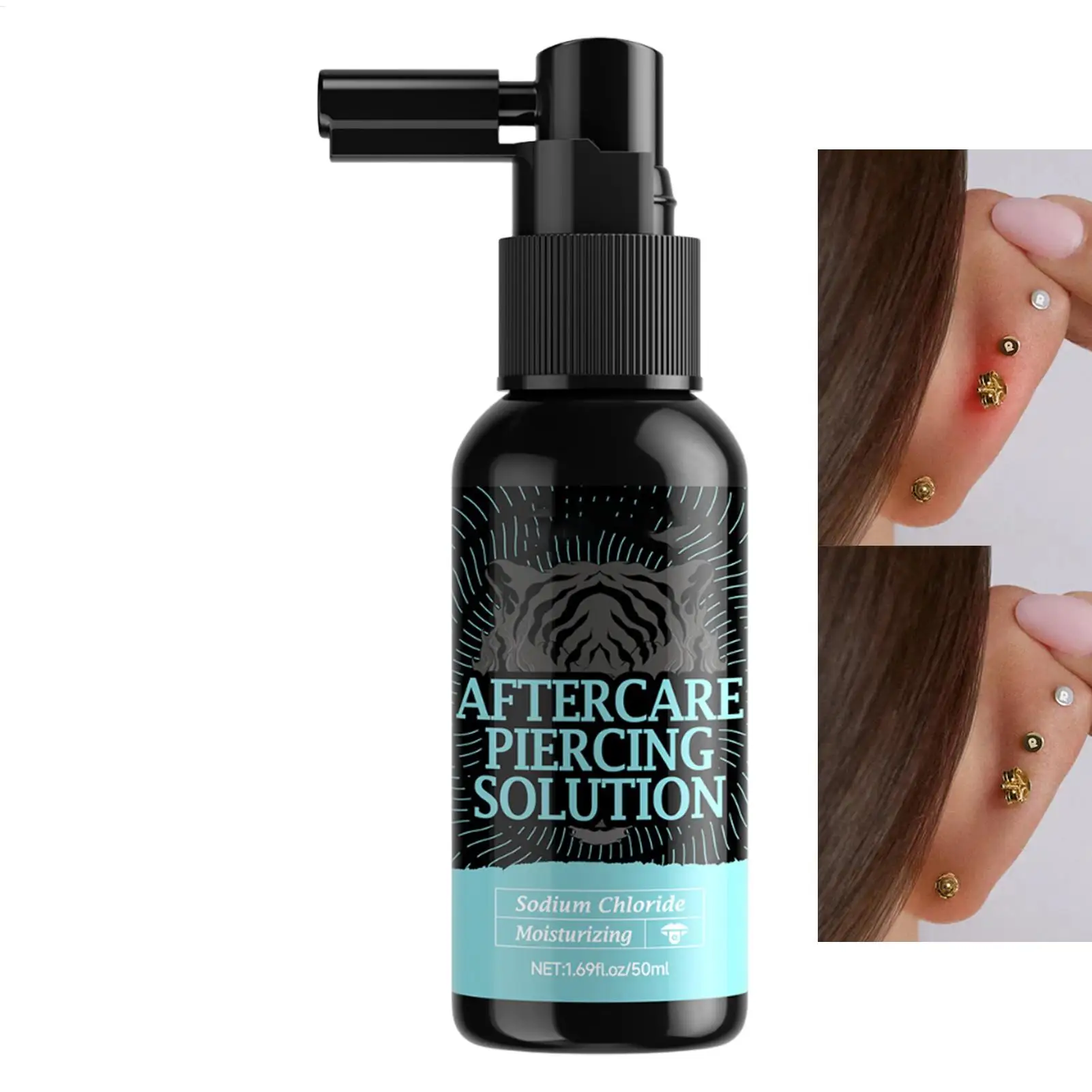
- What products do you recommend for cleaning? High-quality studios often sell or recommend specific saline solutions formulated for piercings rather than generic wound care products.
- When can I change my jewelry? Ask your piercer the specific timeframe before changing jewelry, as premature changes can cause complications.
- What warning signs should prompt me to seek help? Your piercer should explain infection symptoms, excessive swelling, and rejection signs.
Before your appointment, ask if your studio provides written aftercare instructions you can take home. Multnomah Body Piercing supplies comprehensive guidance to help clients succeed with healing, recognizing that proper aftercare is essential for beautiful results.
Medical History and Contraindication Questions
Some health conditions affect piercing safety and healing. Before your appointment, your piercer should ask questions about your medical history, and you should feel comfortable asking about any specific health concerns.
- Do you screen for conditions that might affect healing? Diabetes, immunosuppression, bleeding disorders, and certain medications can impact piercing outcomes.
- Are there any health conditions that would prevent me from getting this piercing? Some piercings aren't recommended for people with certain anatomical variations or medical histories.
- How do you handle clients taking blood thinners or other medications? Your piercer should know how common medications affect the piercing process and bleeding.
- What's your policy on piercing pregnant clients? Most professionals have specific guidelines about which piercings are safe during pregnancy.
When to Schedule Your Piercing Appointment
Finally, ask your piercer about optimal timing for your appointment. The best piercers often have specific recommendations about scheduling:
- When is the best time to get pierced? Avoid getting pierced when you're stressed, sick, or sleep-deprived, as these affect healing.
- How far in advance should I book? Quality piercers often have waiting lists of 1-4 weeks, reflecting their popularity and care standards.
- Do you offer touch-up appointments if needed? Some piercings occasionally need minor adjustments after healing begins.
Armed with these questions, you're ready to have a comprehensive conversation with your prospective piercer. The time you invest in asking the right questions before your appointment pays dividends in safety, satisfaction, and beautiful results. Ready to move forward? Contact Multnomah Body Piercing today to schedule your consultation and experience Oregon's original piercing family's five decades of professional expertise and dedication to your piercing journey.
Frequently Asked Questions
what questions should i ask my piercer before getting pierced
You should ask about sterilization procedures, aftercare instructions, jewelry options, and the piercer's experience with your specific piercing type. At Multnomah Body Piercing, the team can walk you through their autoclave sterilization process and answer any concerns about healing time and proper care. It's also important to ask about any health conditions or medications that might affect your piercing.
how do i know if a piercer is experienced and qualified
Look for piercers who are members of professional organizations, have proper certifications, and can show you a portfolio of their work. Multnomah Body Piercing's piercers have extensive experience and can discuss their training and answer questions about their qualifications during your consultation. You can also read reviews and ask how long they've been piercing.
what should i ask about sterilization and cleanliness at a piercing shop
Ask to see their autoclave sterilization equipment, inquire about their sanitation protocols, and verify they use single-use, sterile needles for each client. Multnomah Body Piercing follows strict health and safety standards to ensure all equipment is properly sterilized between appointments. Don't hesitate to ask them to explain their entire sterilization process before your appointment.
what jewelry should i ask about before getting a piercing
Ask your piercer about the material (titanium, surgical steel, gold), gauge size, and whether the jewelry is appropriate for healing versus healed piercings. At Multnomah Body Piercing, piercers can recommend high-quality jewelry that minimizes infection risk and works best for your specific piercing. You should also ask about the cost and whether you can change jewelry after the initial healing period.
what aftercare instructions should i ask my piercer about
Ask for detailed written aftercare instructions, including cleaning frequency, what products to use, and what activities to avoid during healing. Multnomah Body Piercing provides comprehensive aftercare guidance to help ensure proper healing and minimize complications. It's important to ask about the typical healing timeline for your specific piercing so you know what to expect.
should i ask my piercer about pain level and healing time
Yes, asking about expected pain and healing duration helps you prepare mentally and set realistic expectations for your piercing journey. The piercers at Multnomah Body Piercing can explain what to expect based on piercing location and provide honest assessments of discomfort levels. Different piercings have different healing times, ranging from a few weeks to several months, so it's worth asking.