Septum Piercing Swimming Guide 2026: Complete Guide
Can You Swim With a Septum Piercing? Essential Facts for 2026
A septum piercing is one of the most popular facial piercings today, with an estimated 38% of adults aged 18-35 having at least one facial piercing according to recent surveys. If you've recently gotten a septum piercing or are considering one, you've probably wondered about water activities—especially as summer approaches. The short answer is: yes, you can swim with a septum piercing, but timing and precautions matter significantly.
The critical factor is understanding where your piercing falls in its healing journey. A fresh septum piercing typically requires 6 to 12 weeks to heal fully, though some sources suggest up to 3 months for complete internal healing. During this window, exposure to chlorinated pools, salt water, and even hot tub chemicals can introduce bacteria and irritants that compromise the healing process. At Multnomah Body Piercing, our experienced piercers emphasize that patience during the initial healing phase prevents complications like infections, keloids, and prolonged inflammation.
The Healing Timeline: When Is It Safe to Swim?
Understanding your septum piercing's healing stage is essential before considering any water activities. Here's what you need to know about the timeline:
- Weeks 1-2: Your piercing is extremely fresh. The tissue is actively bleeding and forming a protective clot. Swimming during this phase poses significant infection risks. Avoid all bodies of water, including pools, oceans, and hot tubs.
- Weeks 3-6: The external wound appears to be healing, but internal tissue is still vulnerable. Many people mistakenly believe their piercing is healed at this stage. Swimming is still not recommended, as bacteria can easily enter the still-tender canal.
- Weeks 7-12: If your piercing shows no signs of infection or excessive discharge, brief pool swimming may be possible, though ocean water remains riskier. Always consult your piercer before resuming water activities.
- After 12 weeks: Most piercings have developed a protective epithelial layer. However, individual healing varies significantly based on aftercare, jewelry material, and genetics.
At Multnomah Body Piercing, we recommend scheduling a follow-up appointment around week 8-10 to assess your specific healing progress before planning summer activities.
Swimming in Chlorinated Pools: Risks and Precautions
Chlorinated pools present unique challenges for healing septum piercings. While chlorine kills many bacteria, it can also irritate fresh piercing wounds and interact negatively with your body's healing response.
Key concerns with pool swimming:
- Chlorine concentrations in public pools typically range from 1-3 parts per million, which can cause irritation to healing tissue
- Pool water contains numerous microorganisms beyond chlorine's reach, including resistant bacteria like Pseudomonas aeruginosa
- Swallowing or sniffing pool water accidentally can introduce contaminants directly to your piercing channel
- Splashing and water pressure against the piercing can cause micro-tears in healing tissue
If you must swim in a pool before 12 weeks of healing, our piercing experts at Multnomah Body Piercing recommend these strategies: wear a waterproof bandage or medical tape over the piercing, rinse the area thoroughly with clean running water immediately after exiting the pool, and plan a saline soak within 30 minutes of swimming. That said, postponing pool swimming until full healing is genuinely the safest approach.
Ocean Water and Salt Water Swimming Considerations
Ocean water presents different challenges than pools. While salt water has natural antimicrobial properties, this doesn't make it safe for fresh septum piercings. Ocean water contains countless microorganisms, sand particles, and mineral compositions that vary by location.
Ocean-specific risks include:
- Salt concentrations (approximately 3.5% salinity) can cause dehydration and irritation in fresh wounds
- Sand and sediment particles can become trapped in the piercing, causing inflammation
- Harmful bacteria like Vibrio species thrive in ocean environments
- Wave pressure and water movement create physical stress on healing tissue
If you're planning a beach vacation and have a healing septum piercing, consider waiting until the piercing is at least 12 weeks old before engaging in ocean swimming. For piercings older than 12 weeks, applying a thin layer of petroleum jelly around (not inside) the piercing before entering the ocean can provide minimal protection, though this isn't foolproof. Always rinse with fresh water immediately afterward, followed by a saline soak.
Hot Tub Exposure and Septum Piercings
Hot tubs present perhaps the highest infection risk of all water environments for septum piercings, regardless of healing stage during the first 12 weeks. The warm water temperature (typically 102-106°F) creates an ideal breeding ground for bacteria, while the chemicals used for sanitation can irritate healing piercings.
Why hot tubs are problematic:
- Water temperature accelerates bacterial growth significantly
- Jets and circulation can force contaminated water directly into the piercing channel
- Chemical levels required to maintain hot tub water can be 3-5 times higher than pool chlorine
- Hot tubs are difficult to maintain properly; studies show that 80% of public hot tubs have improper chemical balance
We strongly advise avoiding hot tubs completely for the first 12 weeks after your septum piercing. Even established piercings warrant caution—consider removing your jewelry before hot tub sessions if possible, or at minimum, waiting until your piercing is well-healed.
Jewelry Considerations for Water Activities
Your jewelry choice significantly impacts how your septum piercing responds to water exposure. Material matters tremendously for healing piercings and ongoing water safety.
Ideal jewelry materials for healing septum piercings include:
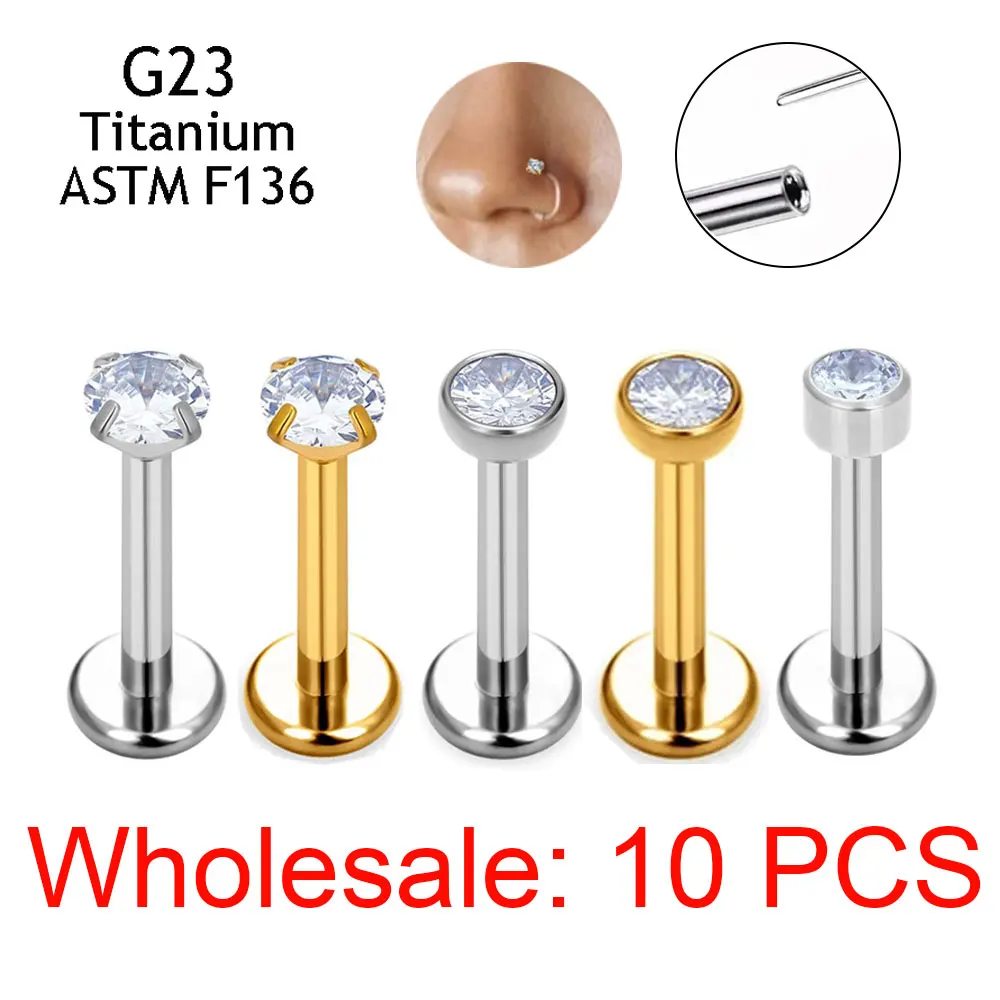
- Implant-grade titanium (ASTM F136): Hypoallergenic, resistant to corrosion, least likely to cause reaction with water or discharges
- Solid gold (14k or higher): Biocompatible and corrosion-resistant, excellent choice once healing progresses
- Surgical steel (316LVM): Acceptable for initial healing, though titanium is superior
Avoid silver, plated jewelry, or lower-grade materials for healing piercings, as these can corrode when exposed to chlorine or salt water, releasing harmful particles into your piercing. The piercing professionals at Multnomah Body Piercing will ensure you're fitted with appropriate jewelry that supports both healing and future water activities.
Aftercare Protocol Following Water Exposure
If you do expose your septum piercing to water during healing, proper aftercare can minimize infection risk. Immediately after any water exposure, follow this protocol:
- Rinse the area gently with fresh, clean running water from the tap (not distilled water)
- Pat dry with a clean, disposable paper towel—never use cloth towels that harbor bacteria
- Prepare a saline solution using 1/4 teaspoon non-iodized salt dissolved in 8 ounces of warm distilled water, or use pre-made sterile saline
- Soak the piercing area by holding the cup against your nose for 5-10 minutes
- Allow to air dry completely before touching the area
- Monitor for signs of infection: increased redness, warmth, swelling, or purulent discharge
Should you notice any infection symptoms persisting beyond 24 hours, contact your piercer or healthcare provider immediately.
Plan Ahead: Smart Summer Scheduling for Septum Piercings
The best strategy is planning your septum piercing timing around water-heavy activities. If you know you'll be swimming frequently during summer, consider getting pierced in early spring to allow 12+ weeks of healing before peak water season. Conversely, if you're already sporting a new septum piercing, plan water activities around your healing timeline rather than compromising your health.
Professional guidance matters here—the experienced team at Multnomah Body Piercing can assess your individual healing progress and provide personalized recommendations for your specific situation and lifestyle.
Ready to get your septum piercing or need aftercare advice for your current one? Visit Multnomah Body Piercing, Oregon's original piercing family since 1974. Our expert piercers provide comprehensive guidance on healing timelines, water safety, and jewelry selection to ensure your piercing thrives. Schedule your consultation today and join thousands of satisfied clients who trust our 50+ years of piercing expertise.
Frequently Asked Questions
can i swim with a fresh septum piercing
It's best to avoid swimming with a fresh septum piercing for at least 6-8 weeks, as chlorine, salt water, and bacteria can irritate the healing wound and increase infection risk. At Multnomah Body Piercing, we recommend waiting until your piercing is fully healed before exposing it to pools, oceans, or hot tubs.
how long after septum piercing can you swim
Most septum piercings take 6-8 weeks to heal sufficiently for swimming, though individual healing times vary based on aftercare and your body's response. Our piercing specialists at Multnomah Body Piercing can assess your specific piercing during a follow-up visit to confirm it's safe to swim.
what happens if you swim with a septum piercing too soon
Swimming with a healing septum piercing can lead to infection, prolonged inflammation, jewelry rejection, and delayed healing due to exposure to bacteria and chemicals. Chlorine and salt water are particularly harsh on fresh piercings, so it's important to follow post-care guidelines from your piercer at Multnomah Body Piercing.
do i need to remove my septum piercing before swimming
If your septum piercing is fully healed (typically after 8+ weeks), you generally don't need to remove it for swimming, though some people prefer to use a retainer for comfort or discretion. For fresh piercings, it's safer to keep the piercing in place rather than remove it, as reinsertion can introduce bacteria—consult with Multnomah Body Piercing for personalized advice.
can chlorine hurt my septum piercing
Yes, chlorine can irritate healing septum piercings and potentially cause inflammation or infection when the piercing is fresh. Once fully healed, chlorine exposure is generally less risky, though rinsing your septum piercing with fresh water after swimming is still recommended by professionals at Multnomah Body Piercing.
should i use a retainer for septum piercing swimming
A retainer can be useful for swimming if you want to keep the piercing open discreetly while avoiding water exposure to fresh jewelry, though it won't fully prevent water contact. For the safest experience, wait until your piercing is fully healed before swimming, and ask the team at Multnomah Body Piercing about retainer options during your healing period.