Septum Piercing Sleeping Tips 2026: Complete Guide
Septum Piercing Sleeping Tips: Why Rest Matters During Healing
Getting a septum piercing is an exciting decision, but the healing process requires careful attention—especially during sleep. Since you spend approximately one-third of your day sleeping, how you rest directly impacts your piercing's healing timeline and overall health. The septum, located in the cartilage between your nostrils, is a sensitive area that needs protection while it heals.
At Multnomah Body Piercing, Oregon's original piercing family since 1974, our experienced piercers emphasize that proper sleep positioning can significantly reduce complications and promote faster healing. A fresh septum piercing typically takes 6-8 weeks to heal completely, though initial healing can feel uncomfortable—particularly during sleep. Understanding the right techniques can transform your recovery experience.
The First 2 Weeks: Critical Sleep Positioning for Fresh Septum Piercings
The initial two weeks after getting your septum piercing are the most critical. During this period, the piercing is extremely vulnerable to pressure, movement, and irritation. Your body is actively fighting inflammation and forming the piercing channel, making nighttime care essential.
Sleep on your back. This is the most important rule. Back sleeping eliminates pressure on the piercing and prevents your nose from pressing into your pillow. When you sleep on your side or stomach, your body weight can press directly against the fresh piercing, causing pain, swelling, and potential complications.
If you're not a natural back sleeper, this adjustment requires practice. Consider these strategies:
- Use a wedge pillow to maintain your back position throughout the night
- Place body pillows on either side to prevent rolling
- Practice back sleeping during daytime naps first
- Wear a supportive neck pillow for comfort
The team at Multnomah Body Piercing recommends establishing this habit before your piercing appointment. Many clients find that adjusting their sleeping position beforehand makes the healing phase significantly easier.
Choosing the Right Pillow for Safe Septum Piercing Sleep
Your pillow choice dramatically impacts your healing experience. Not all pillows provide adequate support for septum piercing recovery.
Memory foam pillows are excellent for septum piercings because they contour to your head shape without creating pressure points. They maintain consistent support throughout the night and reduce the risk of your head rolling toward your piercing side. Look for pillows with medium firmness—too soft and your head sinks, potentially pressing sideways; too firm and you lose comfort.
Wedge pillows specifically designed for back sleeping are increasingly popular among newly pierced individuals. These angled pillows naturally encourage back sleeping by providing comfortable elevation that prevents rolling. Many people find they reduce neck strain while maintaining proper spinal alignment.
Avoid:
- Thin, flat pillows that don't provide adequate support
- Down or feather pillows that collapse under pressure
- Multiple stacked pillows that encourage awkward neck angles
- Textured fabrics that may catch on jewelry
When you visit Multnomah Body Piercing for your piercing, ask our staff about their recommended pillow types. We've worked with thousands of clients and can share specific product recommendations based on years of experience.
Sleep Position Strategies Beyond Week 2
After the initial two weeks, your septum piercing enters the secondary healing phase. While back sleeping remains ideal, you gain slightly more flexibility in your sleeping position.
Weeks 3-4: You can begin experimenting with side sleeping if absolutely necessary, but continue prioritizing back position at least 70-80% of the time. If you must sleep on your side, ensure the pierced side faces upward—never compress the piercing between your face and the pillow.
Weeks 5-8: Most piercings tolerate side sleeping better, though some sensitivity remains. Continue using a supportive pillow and avoid sleeping directly on the piercing. Your jewelry should have minimal movement by this stage.
Beyond 8 weeks: Once fully healed, you can sleep in any position comfortably. However, many people continue back sleeping habits because they've grown accustomed to the comfort and found it benefits their overall sleep quality.
Managing Jewelry During Sleep
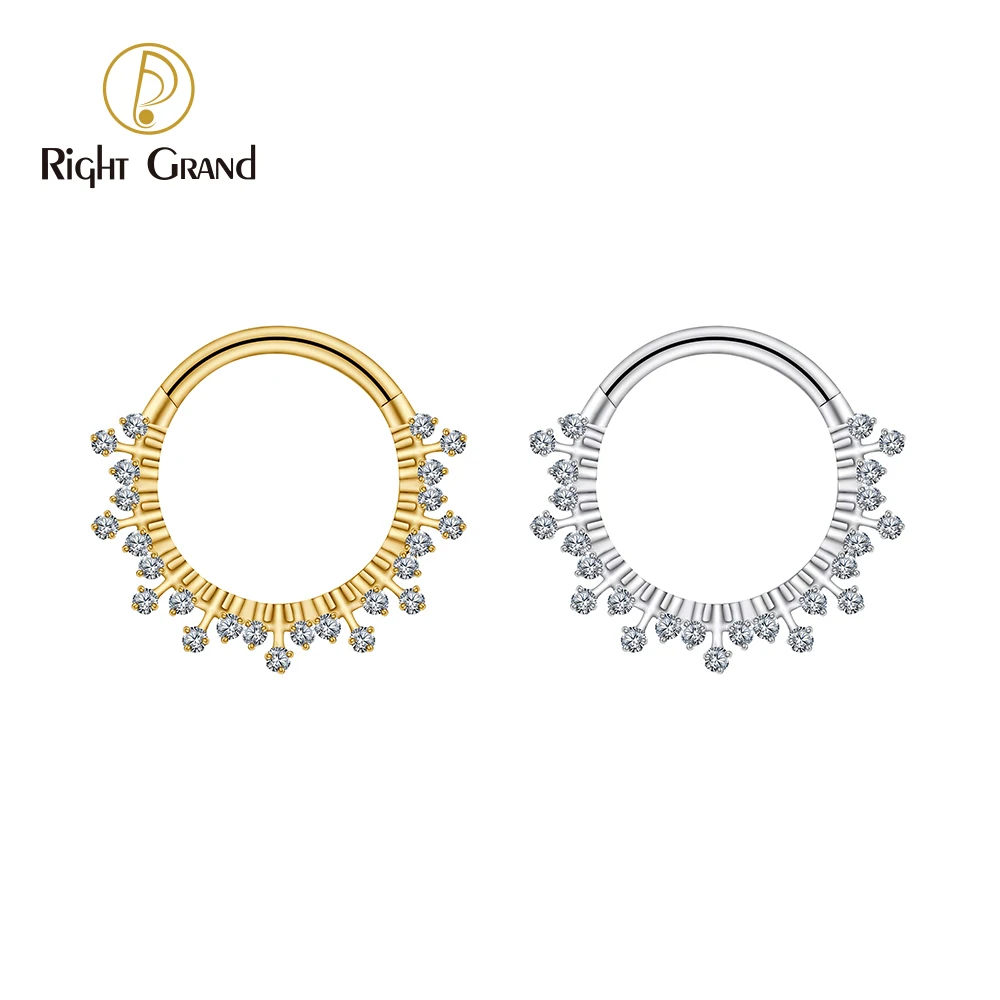
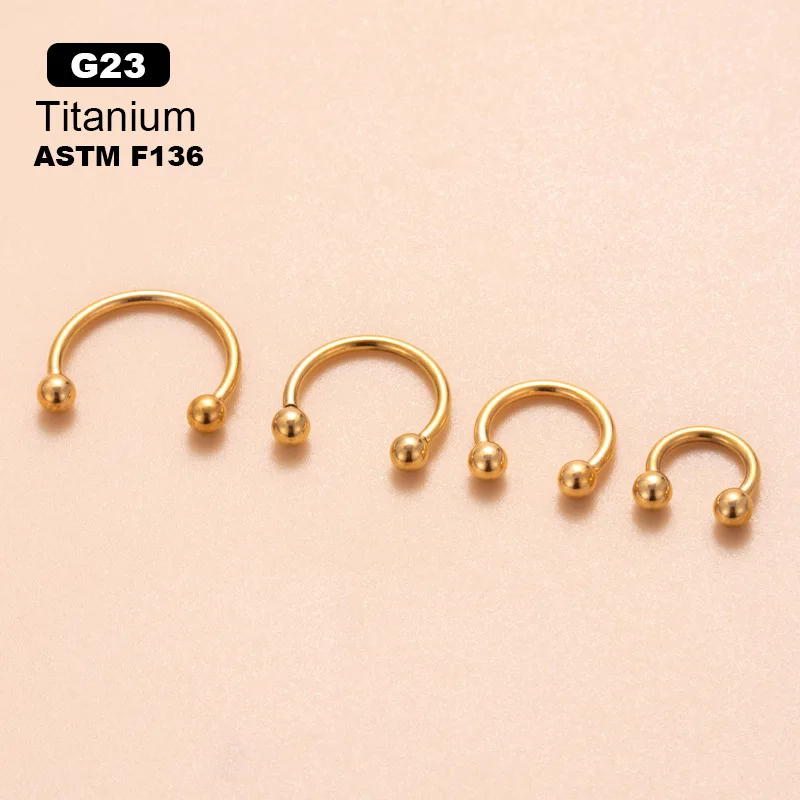
Your jewelry selection impacts sleep comfort. Fresh septum piercings typically start with horseshoe rings, clickers, or retainers. These designs minimize movement during sleep compared to hanging designs. Discuss jewelry options with the professionals at Multnomah Body Piercing—they'll recommend styles that balance aesthetics with healing comfort.
Nighttime Cleaning and Maintenance for Healing Piercings
Sleep disrupts your regular cleaning routine, but nighttime hygiene remains critical for septum piercing health. Before bed, clean your piercing with saline solution using a sterile gauze pad. This prevents bacteria accumulation during the 7-10 hours of sleep when your piercing isn't actively exposed to air.
Important steps:
- Use sterile saline solution—never homemade salt water or harsh cleaners
- Apply solution 1-2 times before sleep
- Gently clean around the piercing entrance and exit points
- Avoid touching your piercing while sleeping to prevent introduction of bacteria
- Change pillowcases every 2-3 days to minimize bacterial transfer
Our team at Multnomah Body Piercing provides detailed aftercare instructions at your appointment. Following these guidelines during sleep ensures optimal healing trajectory.
Troubleshooting Common Sleep-Related Piercing Issues
Some challenges emerge specifically during sleep. Understanding solutions helps prevent complications:
Pain during sleep: If your septum piercing throbs at night, you're likely pressing on it unconsciously. Increase pillow support and use body pillows to prevent rolling. Pain typically indicates the need for additional back-sleeping practice.
Swelling upon waking: Morning swelling is common during weeks 1-3. This usually resolves within 1-2 hours of being upright. Ensure you're truly sleeping on your back—side sleeping exacerbates swelling.
Discharge or crusting: Some discharge is normal, but excessive buildup around jewelry suggests inadequate nightly cleaning. Increase saline solution applications before sleep.
Jewelry migration: If your jewelry moves noticeably during sleep, you're applying pressure to the piercing. Adjust your position and pillow setup immediately.
When problems persist beyond one week, contact Multnomah Body Piercing immediately. Our experienced piercers have solved countless healing challenges and can provide professional guidance specific to your situation.
Long-Term Sleep Success After Full Healing
Once your septum piercing fully heals at approximately 8-12 weeks, you've achieved sleep freedom. However, maintaining good habits ensures jewelry longevity and continued comfort. Many people discover they prefer back sleeping for overall health benefits including reduced facial wrinkles and improved spinal alignment—happy accidents from septum piercing recovery.
Your piercing journey doesn't end with healing. Regular maintenance, jewelry changes, and professional check-ins keep your septum looking beautiful for years. Multnomah Body Piercing has maintained relationships with clients for decades, providing ongoing support and high-quality jewelry options.
Ready to start your septum piercing journey with guidance from Oregon's original piercing family? Contact Multnomah Body Piercing today. Our expert piercers will discuss your healing expectations, help you prepare your sleep environment, and provide comprehensive aftercare support. With 50+ years of piercing experience, we're equipped to make your septum piercing experience comfortable and successful from day one through full healing and beyond.
Frequently Asked Questions
how to sleep with a new septum piercing
Sleep on your back for the first 2-4 weeks to avoid putting pressure on your healing septum piercing. Use an extra pillow to keep your head elevated and prevent accidentally rolling onto your side during the night. Multnomah Body Piercing recommends avoiding stomach sleeping entirely during the initial healing phase to reduce irritation and minimize the risk of complications.
can you sleep right after getting a septum piercing
It's best to wait at least 24 hours after your septum piercing before sleeping, allowing initial swelling and bleeding to subside. When you do sleep, follow proper positioning guidelines to protect your fresh piercing from trauma. Contact Multnomah Body Piercing if you experience excessive bleeding or swelling that interferes with your sleep.
what's the best sleeping position for septum piercing healing
Sleeping on your back is the ideal position for septum piercing healing, as it keeps pressure off the pierced area and reduces swelling. If back sleeping is uncomfortable, try sleeping slightly elevated with extra pillows to maintain drainage and minimize inflammation. Multnomah Body Piercing advises maintaining this position consistently for at least the first 4-6 weeks of healing.
how long until I can sleep normally with septum piercing
Most people can resume normal sleeping positions after 4-8 weeks, depending on individual healing rates and how well they've followed aftercare instructions. You'll know you're ready when swelling has significantly decreased and the piercing no longer feels tender to pressure. For personalized guidance on your healing timeline, consult with the professionals at Multnomah Body Piercing.
should I remove my septum piercing at night while sleeping
No, you should not remove your septum piercing at night during the healing phase, as the hole can close within hours or days. Keeping the jewelry in place maintains the piercing channel and prevents infection from closure. Multnomah Body Piercing recommends keeping your jewelry in 24/7 for at least 6-8 weeks before considering temporary removal.
why is my septum piercing swelling at night
Nighttime swelling is common with new septum piercings and is often caused by lying down, which increases blood flow to the head and reduces drainage. Elevated sleeping positions with extra pillows and consistent aftercare can help minimize this swelling. If swelling is severe or accompanied by pus or excessive redness, reach out to Multnomah Body Piercing for an evaluation.