Septum Piercing Bump Treatment 2026: Complete Guide
Understanding Septum Piercing Bumps: Causes and Types
A septum piercing bump is one of the most common concerns we hear about at Multnomah Body Piercing, and understanding what you're dealing with is the first step toward effective treatment. These bumps typically fall into two categories: hypertrophic scars and keloids, though other irritation-related bumps can also develop.
Hypertrophic scars account for approximately 80% of septum piercing bumps and appear as small, raised tissue directly around the piercing site. They're generally caused by excessive inflammation during the healing process, which typically takes 6-8 months for a septum piercing. Keloids, while less common (affecting roughly 10-15% of piercing complications), are more aggressive scar tissue that extends beyond the original piercing site and can continue growing over time.
- Hypertrophic bumps: confined to piercing area, often resolve independently
- Keloid formation: extends beyond original wound, may require professional intervention
- Irritation bumps: temporary, caused by movement or pressure
- Infection-related bumps: accompanied by pus, warmth, or odor
The risk of developing a septum piercing bump increases with improper aftercare, low-quality jewelry materials, excessive touching, and individual skin predisposition. Individuals with darker skin tones have a higher genetic predisposition to keloid formation, with studies showing rates between 15-20% compared to 1% in lighter skin tones.
Why Your Septum Piercing Develops a Bump
Several factors contribute to bump development around your septum piercing. The septum is a particularly delicate area with minimal soft tissue, making it more susceptible to irritation and inflammation. When your piercing is continuously irritated—whether through sleeping on that side, frequent touching, or movement of poorly fitted jewelry—your body responds by producing excess scar tissue.
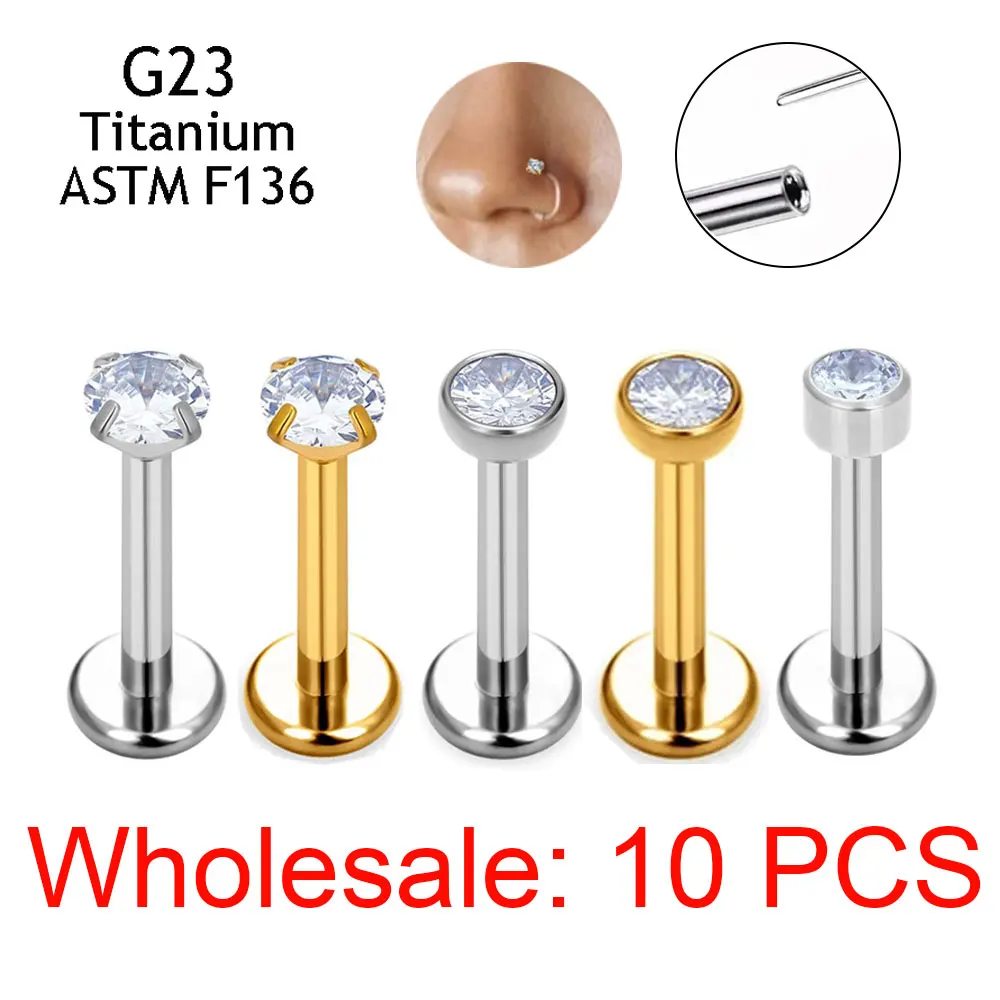
Jewelry quality plays a significant role in bump formation. Materials like surgical steel (which isn't actually regulated), acrylic, or low-quality metals can trigger allergic reactions and chronic inflammation. At Multnomah Body Piercing, we've been educating clients since 1974 about the importance of implant-grade titanium, solid gold, or surgical stainless steel (316L) for optimal healing.
Other contributing factors include:
- Premature jewelry changes during the healing phase
- Using barbells that are too short, causing pressure on the piercing
- Excessive saline solution application or salt soaks
- Trauma from sleeping position or accidental contact
- Genetic predisposition to scar tissue formation
- Chronic infection or bacterial colonization
The body's natural response to perceived trauma is inflammation and scar tissue production—this is actually a healthy healing mechanism that sometimes overcorrects, creating the bump you're trying to eliminate.
Proven Treatment Methods for Septum Piercing Bump Removal
Treating a septum piercing bump requires patience and the right approach. The good news is that most hypertrophic bumps resolve within 6-12 months with proper care, though keloids may require more aggressive intervention.
Non-Invasive Treatment Options:
The first line of defense involves eliminating irritation sources. Switch to implant-grade titanium jewelry if you haven't already—this single change resolves approximately 40-50% of bump cases within 8-12 weeks. Ensure your jewelry is appropriately sized; the barbell should sit flush against your septum without pressure.
Sea salt soaks are highly effective for septum piercing bump treatment. Mix ¼ teaspoon of non-iodized sea salt with 8 ounces of warm distilled water and soak for 5-10 minutes daily. This reduces inflammation and promotes proper drainage. However, limit soaks to once daily, as over-soaking can dry out tissue and worsen irritation.
Silicone-based scar treatments like Scaraway or similar products have shown moderate success rates of 30-45% when applied consistently for 8-12 weeks. These work by flattening and softening scar tissue through hydration and pressure.
Professional Intervention Options:
If non-invasive methods don't produce results after 3 months, professional treatments become necessary. Steroid injections (typically triamcinolone) directly into the bump reduce inflammation and flatten hypertrophic tissue in 60-75% of cases. Multiple sessions spaced 4-6 weeks apart often yield the best results.
Laser therapy, specifically pulsed dye lasers or fractional CO2 lasers, can flatten and fade bumps by targeting excess collagen. Treatment costs range from $300-800 per session, with 2-4 sessions typically required.
For persistent keloids, dermatologists may recommend cryotherapy (freezing therapy) or surgical removal combined with steroid treatment to prevent recurrence.
Essential Septum Piercing Aftercare to Prevent Future Bumps
Prevention is far more effective than treatment. Proper septum piercing aftercare during the initial 6-8 month healing phase significantly reduces bump development risk.
Critical Aftercare Guidelines:
- Don't touch or rotate your jewelry—leave it completely alone
- Sleep on your back or opposite side for the first 2-3 months
- Avoid tight-fitting masks, helmets, or headwear during healing
- Use only implant-grade titanium or solid gold for initial jewelry
- Perform salt soaks once daily (not more) for the first 4-6 weeks
- Avoid contact sports and activities risking jewelry trauma
- Don't use harsh cleansers, alcohol, or hydrogen peroxide
The professionals at Multnomah Body Piercing recommend LITHA (Leave It The Hell Alone) methodology for optimal healing. Excessive cleaning and handling actually increase bump risk rather than prevent it. Your body is designed to heal—constant intervention disrupts this natural process.
When you do perform aftercare, use a sterile saline solution specifically formulated for piercings rather than homemade salt water, which can have inconsistent salt ratios.
When to Seek Professional Help for Your Septum Bump
Knowing when DIY treatment isn't enough is crucial. Contact a piercer or dermatologist if your septum piercing bump:
- Shows signs of infection (increasing pain, pus, fever, warmth)
- Continues growing after 3 months of proper care
- Causes significant pain or breathing difficulty
- Persists beyond 6 months despite correct aftercare
- Affects your piercing's appearance or jewelry fit
The experienced piercers at Multnomah Body Piercing can assess whether your bump is hypertrophic or a keloid, evaluate your jewelry, and recommend the most effective treatment path. Many dermatologists also work collaboratively with professional piercers to ensure comprehensive care.
Keloid treatment specifically shouldn't be delayed. Early intervention with steroid injections prevents continued growth and increases treatment success rates. Waiting 12+ months for keloids to spontaneously resolve rarely happens—professional intervention becomes necessary in most cases.
Real Timeline: How Long Bump Treatment Takes
Treatment timelines vary significantly based on bump type and treatment method chosen. Hypertrophic bumps may flatten within 4-8 weeks of eliminating irritation sources and switching to quality jewelry. However, complete resolution sometimes takes 6-12 months as your body naturally remodels excess scar tissue.
Steroid injection results typically appear within 2-4 weeks, with maximum improvement visible at 6-8 weeks post-injection. Laser therapy shows gradual improvement over 4-6 weeks per session, with cumulative results improving through multiple treatments.
Keloid treatment requires the longest timeline, potentially 6-12 months of consistent intervention with steroid injections spaced monthly.
Since 1974, Multnomah Body Piercing has guided thousands of clients through septum piercing complications and recovery. Our expertise ensures you receive accurate assessment and realistic treatment expectations rather than false promises of overnight results.
Take Action: Expert Septum Piercing Bump Assessment
Don't let a septum piercing bump compromise your experience with your piercing. Whether you're dealing with early-stage irritation, developing a keloid, or searching for the best treatment path forward, the experienced professionals at Multnomah Body Piercing are ready to help. As Oregon's original piercing family with 50+ years of expertise, we understand septum piercing complications better than anyone. Schedule a free consultation today to get your personalized treatment plan and return to confidently showing off your septum piercing.
Frequently Asked Questions
how to get rid of septum piercing bump
Septum piercing bumps are typically caused by irritation, infection, or keloid formation and can be treated with saline soaks, proper jewelry materials, and avoiding unnecessary touching. The team at Multnomah Body Piercing recommends scheduling a consultation to identify the bump type and receive personalized aftercare instructions, as treatment varies depending on whether it's an irritation bump or more serious keloid.
what causes bumps on septum piercings
Bumps around septum piercings most commonly result from irritation caused by movement, low-quality jewelry, excessive cleaning, or bacterial infection during the healing process. Multnomah Body Piercing advises that proper initial piercing technique, high-quality materials like titanium or gold, and correct aftercare are key preventive measures.
is my septum piercing infected or just irritated
An infected septum piercing typically shows signs like pus, severe swelling, warmth, redness, and systemic symptoms like fever, while simple irritation bumps are usually painless, firm, and don't produce discharge. If you're unsure, Multnomah Body Piercing can evaluate your piercing and recommend whether you need medical attention or adjusted aftercare.
can you remove a septum piercing bump at home
While minor irritation bumps may respond to at-home saline soaks and proper jewelry changes, attempting to remove keloids or infected bumps yourself can cause scarring or worsen the condition. Multnomah Body Piercing offers professional assessment and treatment options that are safer and more effective than DIY approaches.
how long does it take for septum piercing bump to go away
Most irritation bumps resolve within 2-4 weeks with proper care, including saline soaks and jewelry adjustments, though keloids or stubborn bumps may take several months to improve. Multnomah Body Piercing can help accelerate healing by ensuring correct piercing technique for future piercings and recommending evidence-based treatment options.
best aftercare for septum piercing to prevent bumps
Effective septum piercing aftercare includes daily saline soaks, avoiding touching or moving the jewelry, wearing implant-grade titanium or gold, and keeping the area clean and dry. The professionals at Multnomah Body Piercing provide detailed aftercare instructions with every piercing to minimize bump formation and ensure smooth healing.