Septum Piercing Aftercare Guide 2026: Complete Guide
```htmlUnderstanding Your Septum Piercing Healing Timeline
A septum piercing is one of the most popular nasal piercings, placed through the thin cartilage wall separating your nostrils. Understanding the healing process is crucial for successful long-term results. The complete healing time for a septum piercing typically ranges from 6 to 8 weeks, though some individuals may experience slightly faster or slower healing depending on their body's natural response to the piercing.
During the first two weeks, you'll notice the most dramatic changes. Your piercing will feel tender, appear slightly swollen, and may produce clear or whitish discharge—this is completely normal. By week three, most people experience significant improvement, though complete internal healing takes considerably longer. It's important to remember that even after the visible healing completes, the tissue inside your nose continues strengthening for several months.
Essential Septum Piercing Care Instructions for Optimal Healing
Proper aftercare is absolutely essential for preventing complications and ensuring your septum piercing heals beautifully. The most critical rule: keep your hands away from your new piercing. This simple guideline prevents the introduction of bacteria and reduces irritation significantly.
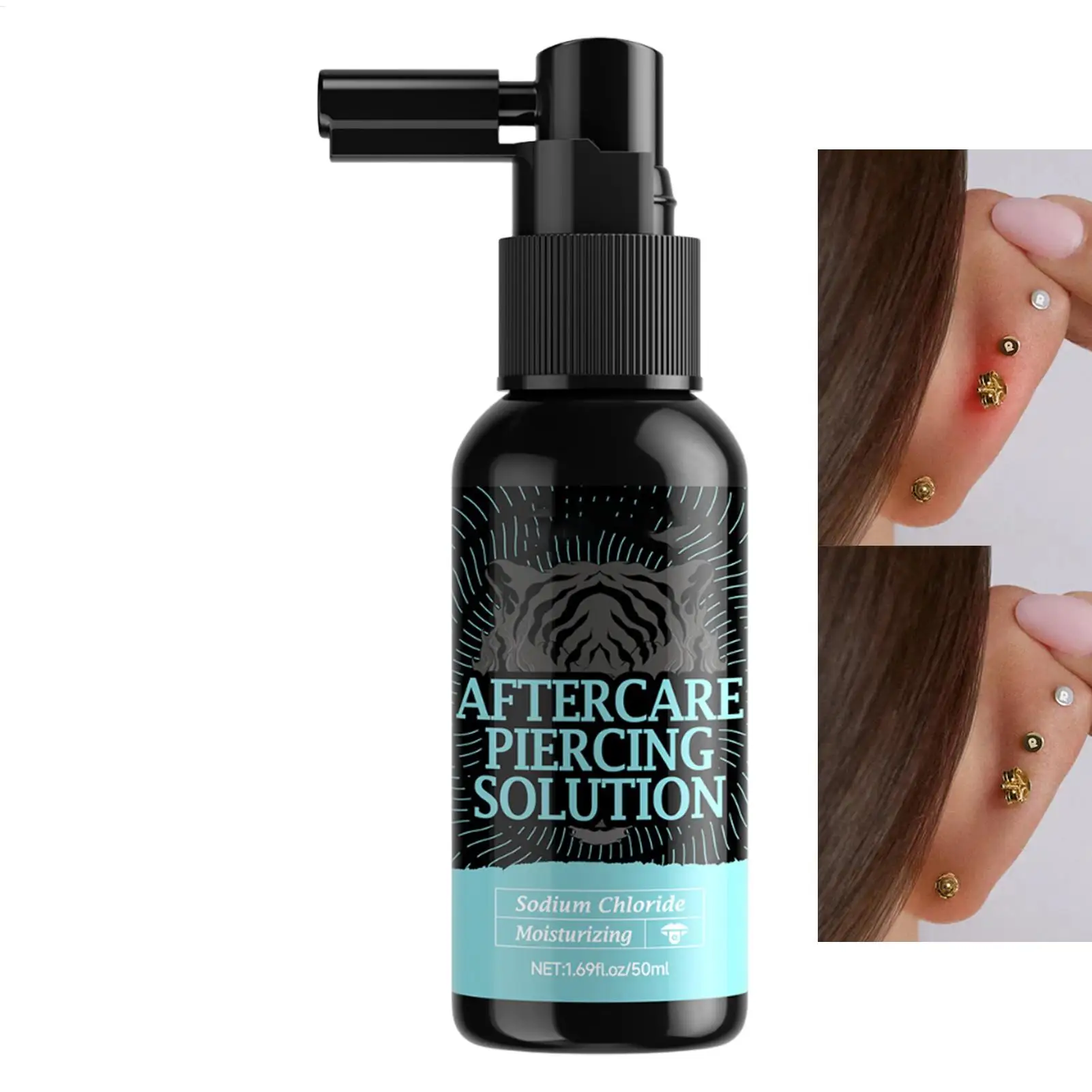
The gold standard for septum piercing care instructions involves saline solution cleaning. Use a sterile, non-iodized saline solution—the same type recommended for new piercings across your body—twice daily for the first 6 weeks. Here's what to do:
- Mix 1/4 teaspoon of non-iodized sea salt with 8 ounces of distilled water, or purchase pre-made saline solution
- Soak a clean paper towel or sterile gauze in the solution
- Gently press the soaked material against your septum for 5-10 minutes
- Allow the area to air dry completely before touching it
- Repeat this process twice daily, morning and evening
Never use table salt, iodized salt, or homemade solutions with tap water. These can introduce irritants or bacteria that complicate healing. The experienced piercers at Multnomah Body Piercing recommend investing in pre-made sterile saline solution for consistency and safety—it costs just a few dollars and eliminates guesswork from the equation.
What to Avoid During Your Septum Piercing Healing Phase
Certain activities and products can significantly interfere with your septum piercing's healing process. Being aware of these pitfalls helps you avoid unnecessary complications that could extend your healing timeline by weeks or months.
Activities to avoid include:
- Swimming in pools, hot tubs, or natural bodies of water for at least 3-4 weeks (chlorine and bacteria are major irritants)
- Contact sports or activities where your nose might get bumped or hit
- Sleeping directly on the side of your piercing for the first 2-3 weeks
- Using sauna or steam rooms where heat and moisture can irritate the piercing
- Blowing your nose aggressively; dab gently instead
- Twisting, flipping, or rotating your jewelry unnecessarily
Products to avoid:
- Hydrogen peroxide and alcohol-based cleansers (these damage healthy healing tissue)
- Antibiotic ointments like Neosporin (they trap moisture and harbor bacteria)
- Makeup around the piercing area, particularly foundations and powders
- Scented soaps and body washes that can irritate the delicate interior
When you receive your initial piercing at a professional studio like Multnomah Body Piercing, the piercers provide detailed written aftercare instructions. Keep these instructions handy throughout your healing period—they're your reference guide when questions arise.
Choosing the Right Jewelry for Optimal Healing
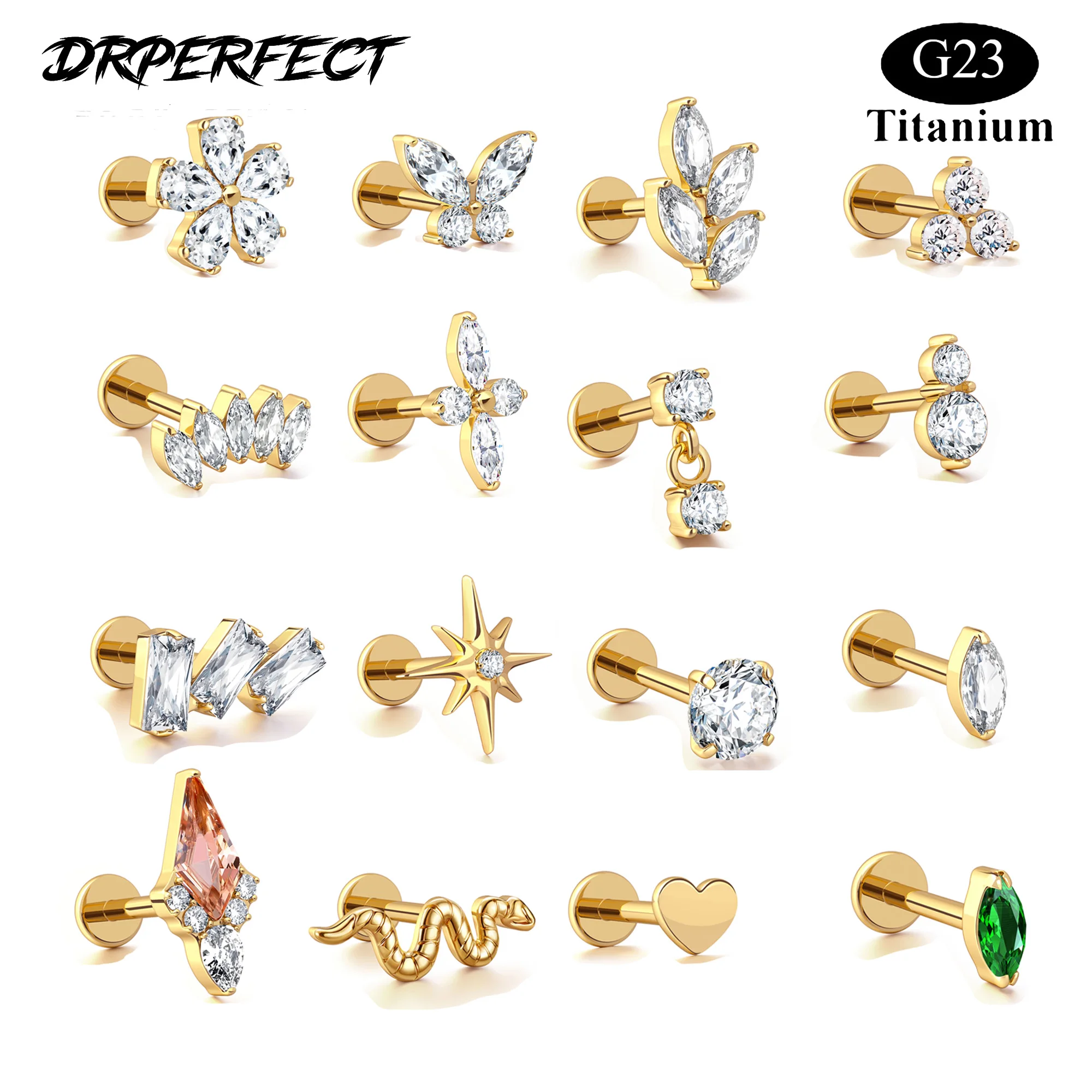
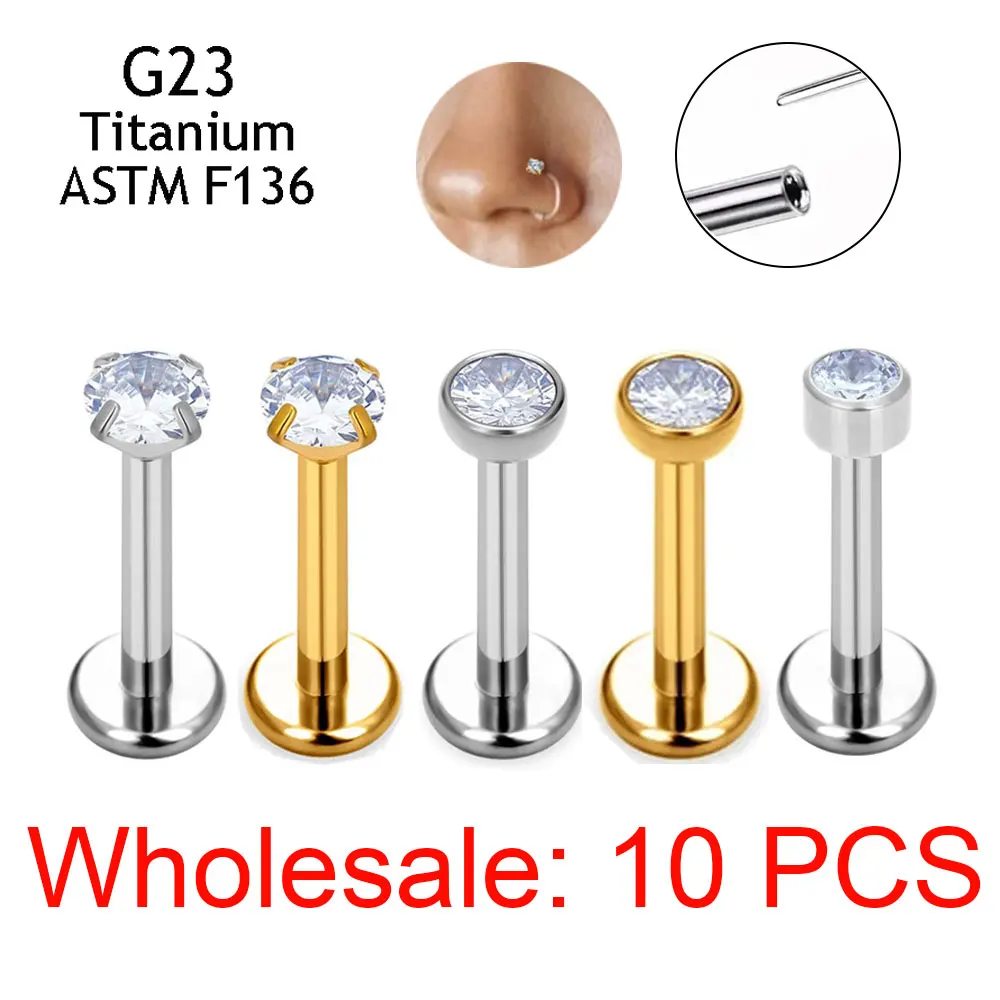
Your initial jewelry selection directly impacts your septum piercing's healing success. Professional piercers use high-quality, body-safe materials that minimize the risk of allergic reactions and infections. The most recommended materials include:
- Surgical stainless steel (316L or higher grade)
- Titanium (hypoallergenic and excellent for sensitive skin)
- Solid gold (14k or higher)
- Niobium (a safer alternative for nickel-sensitive individuals)
Most importantly, never change your jewelry during the active healing phase. Even if you love the aesthetic of a different piece, wait until healing is complete. Removing and reinserting jewelry introduces bacteria, causes irritation, and can partially close the piercing channel, making reinsertion painful and difficult.
The gauge size (thickness) of your initial jewelry also matters. Most septum piercings are pierced at 16 or 18 gauge, which heals efficiently and offers diverse jewelry options. The length of the bar should accommodate swelling—typically 8mm or 10mm—allowing breathing room without excessive movement.
Recognizing Complications and Knowing When to Seek Help
While most septum piercings heal without complications, knowing the warning signs of problems helps you address issues quickly. Some minor irritation is normal, but certain symptoms warrant professional attention.
Normal healing signs include:
- Mild to moderate swelling during the first week
- Clear or whitish discharge
- Slight tenderness when touched
- Temporary crusting around the jewelry
Signs of potential problems requiring professional evaluation:
- Excessive pus or thick yellow discharge (possible infection)
- Redness that spreads beyond the immediate piercing area
- Fever or systemic illness (sign of serious infection)
- Allergic reactions like severe itching or hives
- Keloids or excessive scar tissue development
- Migration of the jewelry or thinning tissue around the piercing
If you experience any concerning symptoms, contact the professional who performed your piercing immediately. The team at Multnomah Body Piercing stands behind their work and provides continued support throughout your healing journey. As Oregon's original piercing family since 1974, they've successfully guided thousands of clients through septum piercing aftercare and can identify potential issues quickly.
Long-Term Care Beyond the Healing Phase
Your commitment to proper septum piercing aftercare doesn't end when the 6-8 week healing period concludes. Maintaining your healthy piercing requires ongoing attention and gentle care. Even after complete healing, continue cleaning your piercing 3-4 times weekly with saline solution, especially during the first 3-6 months.
Once fully healed, you can switch jewelry more freely, but always ensure new pieces are made from body-safe materials. Keep the area clean, avoid unnecessary touching, and watch for any signs of irritation when wearing new jewelry. Maintain this conscious approach to care, and your septum piercing will remain a beautiful, problem-free expression of your personal style for decades to come.
Ready to get your septum piercing or need professional aftercare guidance? Visit Multnomah Body Piercing in Portland, where Oregon's original piercing family has been perfecting the art since 1974. Our experienced piercers provide expert placement and comprehensive aftercare support to ensure your healing journey is smooth and successful. Schedule your consultation today and join thousands of satisfied clients who trust us with their piercing needs.
```Frequently Asked Questions
how long does it take for a septum piercing to heal
A septum piercing typically takes 6-8 weeks to fully heal, though this varies based on individual healing rates and aftercare quality. Multnomah Body Piercing recommends following a consistent cleaning routine during this entire period to prevent complications and ensure proper healing.
what should i use to clean my septum piercing
You should clean your septum piercing with sterile saline solution or a saline rinse 1-2 times daily, avoiding harsh soaps and alcohol-based products. Multnomah Body Piercing advises against using tea tree oil or hydrogen peroxide, as these can irritate the healing tissue.
can i change my septum piercing jewelry early
It's best to wait at least 6-8 weeks before changing your septum jewelry to avoid disrupting the healing process and introducing bacteria. If you need to change it sooner for any reason, Multnomah Body Piercing recommends having a professional handle the change to minimize complications.
what does an infected septum piercing look like
Signs of infection include excessive redness, swelling, pus drainage, warmth around the piercing, and increased pain that doesn't improve after the first week. If you suspect an infection, contact Multnomah Body Piercing or a healthcare provider immediately rather than removing the jewelry yourself.
is it normal for my septum piercing to be sore after a week
Some tenderness and mild soreness is normal for the first 1-2 weeks, but severe pain may indicate an issue with the piercing placement or jewelry material. Multnomah Body Piercing suggests checking that your jewelry isn't too tight and that you're cleaning gently twice daily.
when can i sleep on my septum piercing
You should avoid sleeping directly on your septum piercing for at least 2-4 weeks to prevent unnecessary pressure and irritation during the healing phase. Once fully healed at 6-8 weeks, sleeping position typically becomes less of a concern, as confirmed by the experts at Multnomah Body Piercing.