Piercing with Ehlers-Danlos Syndrome: Safe Options
Understanding Ehlers-Danlos Syndrome and Piercing Risks
Ehlers-Danlos Syndrome (EDS) is a group of genetic connective tissue disorders affecting approximately 1 in 2,500 to 1 in 5,000 people worldwide. For individuals with EDS, the decision to get a body piercing requires careful consideration and specialized knowledge. The condition affects collagen production and connective tissue integrity, which directly impacts how the body heals from piercings.
People with Ehlers-Danlos Syndrome experience varying degrees of skin fragility, tissue elasticity issues, and compromised wound healing. These factors create legitimate concerns when considering body modification. However, having EDS doesn't automatically disqualify someone from getting piercings—it simply means finding experienced professionals who understand the condition and can implement appropriate safety measures.
The hypermobility often associated with EDS can lead to complications like excessive bleeding, delayed healing, and increased infection risk. Additionally, the tissue characteristics in EDS make it easier for piercing channels to reject or migrate. Understanding these risks is the first step toward making informed decisions about piercing safety.
How Hypermobility Affects Piercing Healing
Hypermobility is a hallmark feature of many EDS types, particularly hypermobile EDS (hEDS), which accounts for roughly 90% of EDS diagnoses. This excessive joint and tissue mobility creates unique challenges for body piercings. The constant micro-movements in tissues surrounding a fresh piercing can disrupt the healing process and increase inflammation.
During the typical piercing healing timeline—which ranges from 6 weeks for ear lobes to 12 months or longer for cartilage—the body forms a fistula or channel around the jewelry. With hypermobility, this channel may not form uniformly, leading to complications such as:
- Prolonged healing times extending beyond normal timelines
- Increased risk of keloid or hypertrophic scar formation
- Higher rates of infection due to compromised immune response
- Jewelry rejection or migration
- Excessive bleeding during and after piercing
The key to managing these risks involves working with piercers who understand EDS-specific considerations. Multnomah Body Piercing, Oregon's original piercing family since 1974, has built decades of experience working with clients with various health conditions and can discuss how hypermobility affects individual healing potential.
Choosing Jewelry and Piercing Placements for EDS
Not all piercing locations are equally suitable for individuals with Ehlers-Danlos Syndrome. Strategic placement and jewelry selection can significantly improve healing outcomes. Ear lobe piercings typically present the lowest risk since the tissue is relatively stable and experiences minimal movement during daily activities.
Cartilage piercings present moderate challenges due to longer healing times and susceptibility to irritation. Piercings in areas prone to movement—such as navel, septum, or genital piercings—carry elevated risk for individuals with EDS and hypermobility concerns. The constant micro-movements in these areas can interfere with stable channel formation.
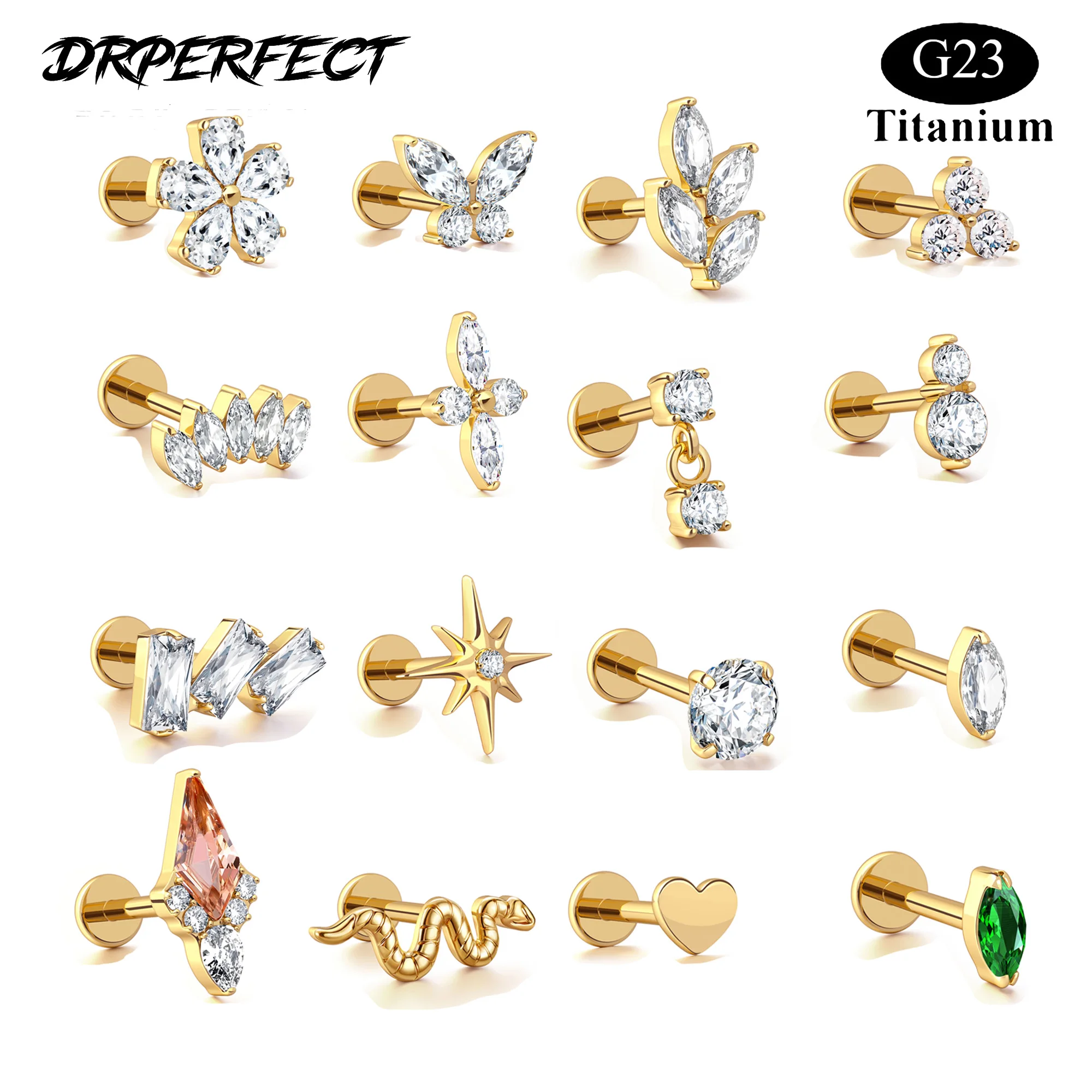
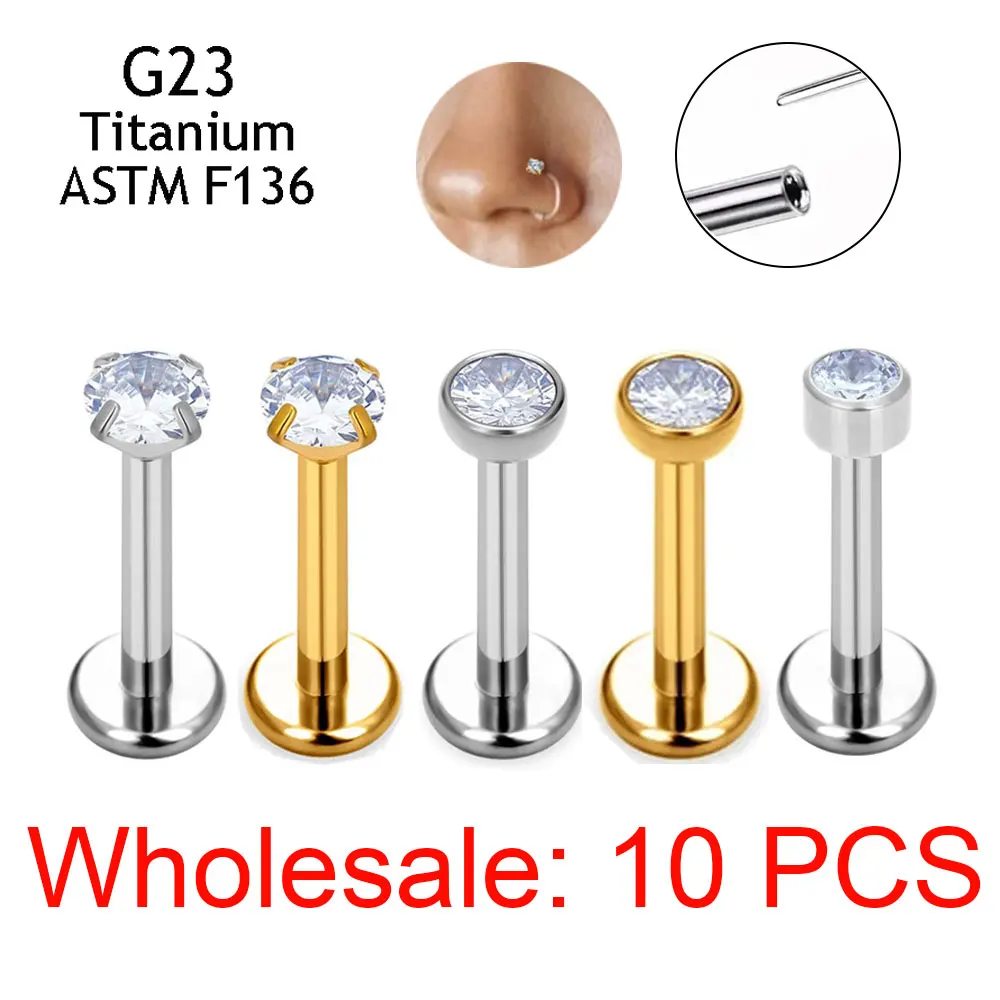
Jewelry material selection is equally critical. Medical-grade implant-titanium (ASTM F136) is the gold standard for initial piercings, offering biocompatibility and reduced allergic reactions. Avoid nickel-containing alloys, surgical steel with unknown composition, and acrylic materials. Internally threaded or threadless jewelry reduces tissue trauma compared to externally threaded options.
Jewelry gauge also matters—larger gauge piercings (like 12g or 10g) may heal more reliably than very small gauges, as the larger channel is less prone to closing or rejecting. Working with experienced professionals like those at Multnomah Body Piercing ensures you receive personalized recommendations based on your specific EDS presentation.
Pre-Piercing Preparation and Medical Consultation
Before scheduling any piercing, individuals with EDS should consult their rheumatologist or primary care physician familiar with their condition. This conversation should address bleeding tendency, current medications (especially blood thinners), and tissue fragility status. Some EDS subtypes carry higher bleeding risk—vascular EDS (vEDS), for instance, represents only 1-2% of cases but carries significant vascular fragility concerns that may contraindicate piercing entirely.
Timing matters significantly for EDS clients. Avoid piercing during flare periods, when experiencing elevated pain, or when dealing with active infections elsewhere on the body. The immune system's resources are already taxed; adding a fresh wound during these times increases complication risk.
Consider scheduling your piercing appointment strategically. Morning appointments allow you to monitor the piercing throughout the day and rest afterward. Avoid scheduling piercings before intense exercise, travel, or high-stress periods that could compromise healing.
Multnomah Body Piercing's experienced team can help you understand pre-piercing preparation specific to EDS and ensure you're in optimal condition before your appointment. Their decades of experience means they've worked with complex medical histories and understand individual variation in healing.
Aftercare Protocols for EDS-Specific Healing
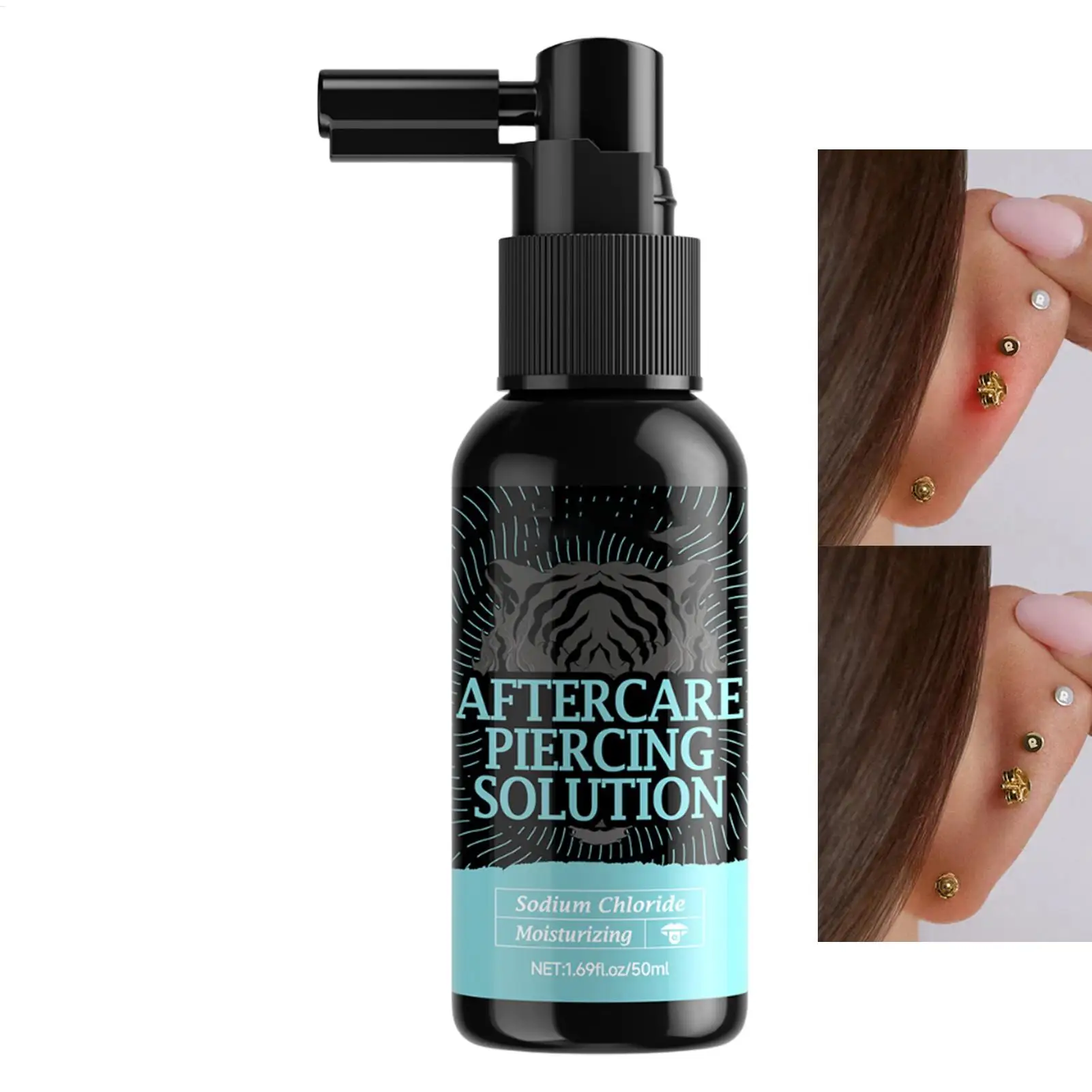
Standard piercing aftercare needs modification for Ehlers-Danlos clients. The typical recommendation of saline rinses twice daily remains appropriate, but additional precautions help prevent complications. Use sterile saline solution specifically formulated for wound care, not homemade solutions that may introduce bacteria.
Avoid touching, rotating, or changing jewelry during the healing period. For EDS clients, this timeline should be extended—consider waiting 1.5 to 2 times longer than standard recommendations before changing jewelry. Many piercers recommend waiting until you experience absolutely no pain, bleeding, or discharge before switching jewelry.
Monitor healing closely for warning signs requiring professional attention:
- Excessive bleeding that doesn't stop within 10-15 minutes
- Signs of infection including increasing pain, warmth, red streaking, or pus
- Allergic reactions or severe swelling beyond 48 hours post-piercing
- Jewelry rejection or migration showing visible movement
- Keloid or hypertrophic scar formation
Sleep position matters more for EDS clients than general population. Side sleepers with new ear piercings should sleep on the opposite side to avoid pressure on the fresh piercing. Compression or friction accelerates complications in compromised connective tissue.
When to Seek Professional Guidance
The decision to pursue body piercing with Ehlers-Danlos Syndrome ultimately depends on your individual condition severity, EDS subtype, and healing history. Some individuals with mild presentations heal beautifully; others experience significant complications. Previous piercing experiences provide valuable data—if you've successfully healed piercings before, you likely can again with proper support.
Consulting with a piercer experienced in working with immunocompromised or medically complex clients significantly improves outcomes. Multnomah Body Piercing brings nearly 50 years of piercing expertise and has worked with diverse client populations, including those with chronic health conditions. Their team understands that EDS presents differently in each person and tailors their approach accordingly.
Don't attempt piercings with inexperienced piercers when you have EDS. The stakes are higher, and proper technique combined with EDS-specific knowledge makes a genuine difference in healing success.
Taking Your Next Step Safely
Piercing with Ehlers-Danlos Syndrome is possible when approached thoughtfully with experienced professionals who understand both the technical and medical aspects of your condition. Contact Multnomah Body Piercing today to schedule a consultation. Their team can assess your individual situation, answer EDS-specific questions, and help you determine the safest piercing options for your body. As Oregon's original piercing family established in 1974, they've earned their reputation through expertise, safety, and genuine care for each client's wellbeing.
Frequently Asked Questions
can you get piercings with ehlers danlos syndrome
Yes, people with Ehlers-Danlos Syndrome (EDS) can get piercings, but it requires special considerations due to increased healing risks and tissue fragility. At Multnomah Body Piercing, our piercers can work with you to assess your specific type of EDS and recommend safer piercing locations and jewelry materials that minimize complications.
what piercings are safe with EDS
Cartilage piercings are generally higher-risk for EDS patients due to slower healing and keloid formation, while earlobe piercings tend to be safer options. Multnomah Body Piercing recommends consulting with both your healthcare provider and an experienced piercer to determine which placements are appropriate for your individual condition.
how long do piercings take to heal with ehlers danlos
Healing times are significantly longer for people with EDS, often taking 6-12 months or more compared to standard timelines. This extended healing period means extra care with jewelry changes and cleaning, which Multnomah Body Piercing can guide you through with detailed aftercare instructions.
best jewelry material for EDS piercings
Implant-grade titanium, solid gold, and niobium are the safest choices for EDS patients, as they minimize allergic reactions and are lightweight to reduce strain on fragile tissue. Multnomah Body Piercing stocks high-quality hypoallergenic jewelry designed to support optimal healing in sensitive clients.
what should i tell my piercer about my EDS
Inform your piercer about your EDS type, any previous healing complications, medications you take, and whether you have skin fragility or scarring issues. Multnomah Body Piercing takes a comprehensive consultation approach to understand your condition and adjust their techniques accordingly.
are there piercings i should avoid with ehlers danlos syndrome
High-tension piercings like industrial bars, surface piercings, and heavily moved areas should generally be avoided due to increased rejection and keloid risk. Multnomah Body Piercing recommends sticking with simple lobe or lower-movement piercings and avoiding stretching or frequent jewelry changes during the extended healing process.