Getting Pierced with Diabetes: What You Need to Know
Getting Pierced with Diabetes: What You Need to Know
If you have diabetes and are considering getting a piercing, you're probably wondering whether it's safe. The good news is that people with diabetes can absolutely get pierced—but it requires extra planning, communication, and care. At Multnomah Body Piercing, Oregon's original piercing family since 1974, we've worked with countless clients managing diabetes, and we understand the unique considerations involved.
Diabetes affects how your body heals, your immune response, and your susceptibility to infection. When you combine this with a new piercing—which is essentially a controlled wound—you need to be informed, prepared, and working with experienced professionals who take your health seriously.
How Diabetes Affects Piercing Healing
Diabetes impacts the body's ability to heal wounds in several significant ways. When blood sugar levels remain elevated, they can impair the function of white blood cells, which are crucial for fighting infection and promoting tissue repair. Studies show that people with uncontrolled diabetes have healing times that can be 20-40% longer than those without the condition.
Blood sugar levels directly influence healing speed. When glucose levels are well-managed (typically between 80-130 mg/dL before meals for adults with diabetes), healing proceeds more normally. However, when blood sugar spikes or remains chronically elevated, the inflammatory response becomes exaggerated, and new tissue formation slows down significantly.
The increased risk of infection is perhaps the most critical concern. High blood sugar creates an environment where bacteria thrive more easily, and your immune system struggles to respond effectively. For a fresh piercing, which takes anywhere from 6-12 weeks to several months to fully heal depending on the location, this extended vulnerability period requires vigilance.
- Earlobe piercings typically heal in 6-8 weeks with proper care
- Cartilage piercings can take 4-12 months
- Oral piercings may heal in 4-6 weeks but require extra attention
- Body piercings vary from 2-6 months depending on location and individual healing
The experience team at Multnomah Body Piercing can discuss realistic healing timelines for your specific situation, taking your diabetes management into account.
Preparing Your Body Before Getting Pierced
Success starts before you ever sit in the piercing chair. If you have diabetes and want to get pierced, preparation is essential.
First, get your blood sugar under control. Ideally, you should have stable, well-managed diabetes for at least 2-4 weeks before your appointment. This means consistent monitoring, taking medications as prescribed, and maintaining a stable diet. Work with your endocrinologist or primary care doctor before scheduling your piercing—not after. Your healthcare provider can help you optimize your glucose control beforehand.
Schedule your piercing at an optimal time of day. Many people find that getting pierced in the morning, after eating a balanced breakfast and confirming stable blood sugar levels, works better than late afternoon appointments when energy and blood sugar stability may be compromised.
Bring supplies and information to your appointment. Have a list of your current medications, your target blood sugar range, and emergency contact information for your doctor. Bring a snack and water—stress can affect blood sugar, and staying hydrated supports healing. Professional piercers like those at Multnomah Body Piercing appreciate when clients provide relevant health information upfront so they can adjust their approach accordingly.
- Confirm blood sugar is stable (not spiking or dropping) before your appointment
- Avoid scheduling when you're stressed or unwell
- Wear comfortable clothing appropriate to the piercing location
- Arrange transportation so you're not driving while experiencing blood sugar fluctuations
- Plan to rest for several hours after your piercing
Infection Risks and Warning Signs
People with diabetes face a significantly higher infection risk with any open wound, including piercings. Studies indicate that infection rates for people with poorly controlled diabetes can be 2-3 times higher than for the general population.
Know the difference between normal healing and infection. A new piercing will have some redness, swelling, and tenderness for the first few days—this is expected. However, you should watch for these warning signs that indicate a potential infection requiring immediate medical attention:
- Increasing warmth, redness, or swelling beyond the first week
- Pus or unusual discharge (clear lymph is normal; yellow or green is not)
- Fever or chills
- Red streaks extending from the piercing site
- Severe pain that worsens after day 3-4
- Swollen lymph nodes near the piercing
- Unexplained changes in blood sugar levels
That last point is crucial: infections trigger an immune response that can cause blood sugar levels to spike unpredictably. If you notice your diabetes becoming harder to control after getting pierced, this may indicate infection even before other symptoms appear.
Aftercare Protocol for Diabetic Clients
Standard piercing aftercare becomes even more critical when you have diabetes. Your piercing won't just heal—it needs to heal without complication.
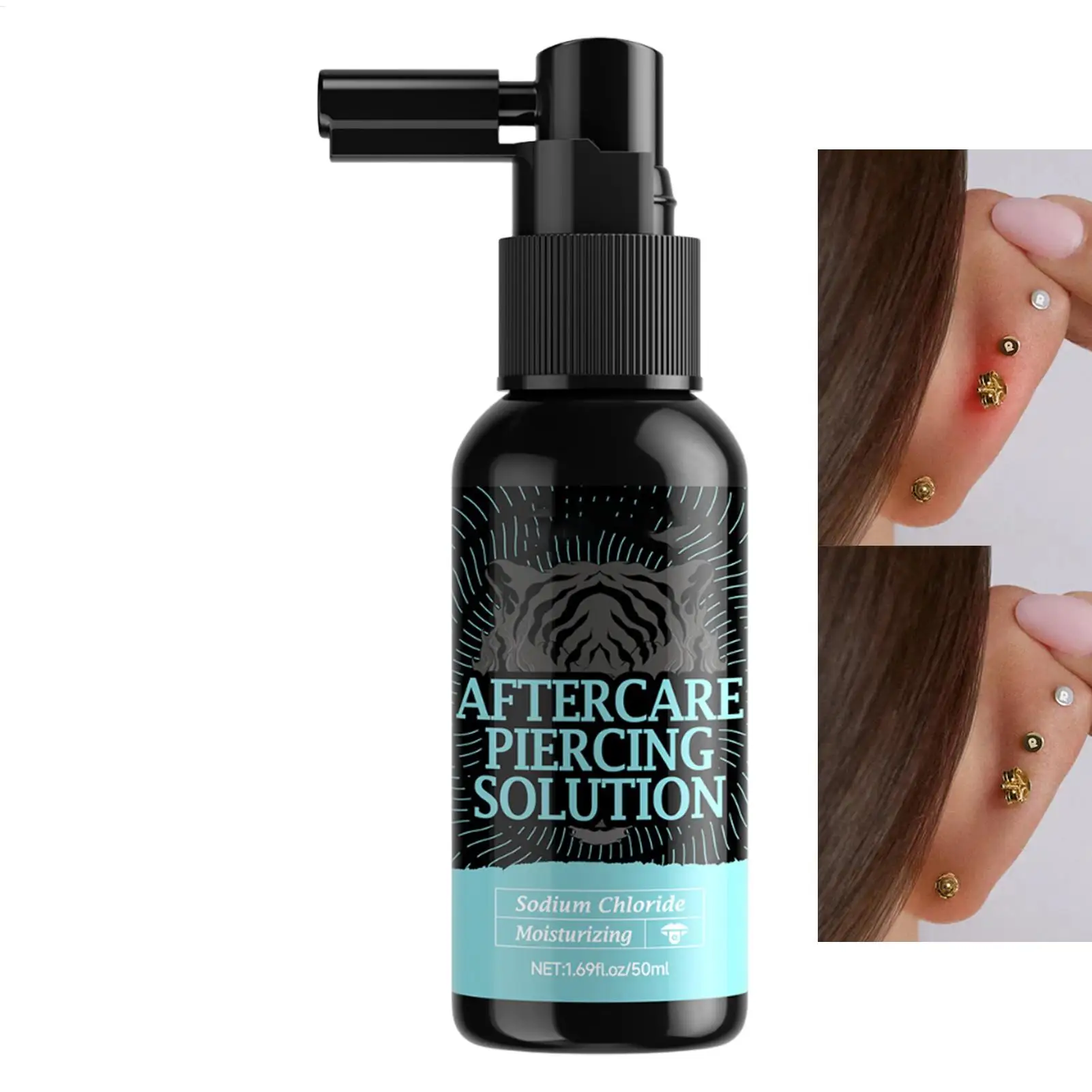
Cleanliness is non-negotiable. Wash your hands thoroughly before touching your piercing. Clean the area 2-3 times daily with saline solution (0.9% sodium chloride), not alcohol or hydrogen peroxide, which can damage healing tissue. Saline solution is gentle, effective, and won't disrupt your body's natural healing process.
Monitor blood sugar closely during the healing period. Check your levels more frequently than usual—at minimum, before meals and at bedtime. Some people find their blood sugar becomes slightly harder to manage during the first 2-3 weeks of healing as their body directs resources toward the piercing. Keep detailed records so you can identify patterns.
Avoid behaviors that compromise healing. Don't touch the piercing except during cleaning, avoid changing jewelry too early, stay away from swimming pools and hot tubs, and keep the piercing uncovered when possible to allow air circulation. For oral piercings, use an antimicrobial mouthwash approved by your piercer, and avoid alcohol-based rinses.
Nutrition matters more than ever. Healing requires protein, vitamin C, zinc, and iron. Maintain stable nutrition alongside stable blood sugar—they work together. Some diabetes care plans may need adjustment if you're restricting foods unnecessarily during healing.
The professionals at Multnomah Body Piercing provide comprehensive written aftercare instructions and are always available to answer questions during your healing journey.
When to Reconsider or Delay Your Piercing
There are situations where delaying your piercing makes sense. If your blood sugar has been difficult to manage in the past month, if you're currently dealing with a diabetes-related complication, or if your A1C (average blood sugar over 3 months) is above 8%, consider waiting until your diabetes is better controlled.
Similarly, if you're pregnant, taking certain antibiotics, recovering from another illness, or going through a stressful life event, postponing your piercing gives your body the best chance at successful healing.
Partner With Experienced Professionals
Getting pierced with diabetes is absolutely possible, but your choice of piercer matters enormously. You need someone with experience, proper sterilization protocols, and genuine interest in your health—not just someone with the lowest price or quickest availability.
Multnomah Body Piercing's five decades of experience means our team has successfully pierced hundreds of clients with diabetes. We take time to understand your specific health situation, adjust our techniques when appropriate, and provide support throughout your healing journey. We use only sterile, high-quality jewelry appropriate for healing piercings, and our aftercare guidance accounts for your individual circumstances.
Ready to get pierced safely? Contact Multnomah Body Piercing to schedule a consultation. Our experienced team is here to answer all your questions about getting pierced with diabetes and to ensure your piercing experience is both safe and beautiful. Oregon's original piercing family is ready to help you achieve the look you want while keeping your health first.
Frequently Asked Questions
can you get a piercing if you have diabetes
Yes, people with diabetes can get piercings, but it requires extra precautions since diabetes can affect wound healing and immune response. At Multnomah Body Piercing, our experienced piercers understand diabetic considerations and can work with you to ensure proper aftercare and minimize infection risks. It's important to inform your piercer about your diabetes and any medications you're taking beforehand.
does diabetes affect piercing healing time
Diabetes can potentially slow down piercing healing, especially if blood sugar levels aren't well-controlled, as high glucose can impair immune function and tissue repair. Maintaining stable blood sugar levels and following strict aftercare instructions from Multnomah Body Piercing will help optimize your healing process. Most piercings still heal normally in people with well-managed diabetes.
what precautions should diabetics take before getting pierced
Before getting pierced, diabetics should ensure their blood sugar is well-controlled, inform their piercer about their condition, and discuss any concerns with their doctor. The team at Multnomah Body Piercing recommends scheduling your appointment when you're in good health and can commit to meticulous aftercare. Avoid getting pierced if you're experiencing high blood sugar or diabetic complications.
is it safe to get a piercing with type 1 or type 2 diabetes
Both type 1 and type 2 diabetes are compatible with getting piercings as long as your condition is well-managed and your blood sugar levels are stable. The risk level is similar for both types when proper precautions are taken, and Multnomah Body Piercing can accommodate clients with either condition. Communication with your piercer and healthcare provider is key to a safe experience.
how to prevent infection when getting a piercing with diabetes
To prevent infection, maintain excellent oral hygiene and blood sugar control, follow all aftercare instructions meticulously, and avoid touching or playing with the piercing. Multnomah Body Piercing will provide detailed aftercare guidance tailored to your needs, and you should watch for signs of infection like excessive redness, warmth, or discharge. Consider using saline solution for cleaning and avoid swimming or submerging the piercing during healing.
should i tell my piercer i have diabetes before getting pierced
Absolutely—you should always inform your piercer about your diabetes so they can take appropriate precautions and provide tailored aftercare advice. The professionals at Multnomah Body Piercing use this information to ensure they're taking your health into account throughout the process. Transparency helps your piercer help you heal properly and recognize any potential complications early.