Piercing While on Blood Thinners: Is It Safe?
Piercing While on Blood Thinners: Is It Safe?
Getting a body piercing is an exciting decision, but if you're taking blood thinners, you need to approach the process carefully. Blood thinners—whether prescription medications like warfarin or over-the-counter options like aspirin—significantly affect how your body heals and manages bleeding. Understanding the risks and taking proper precautions is essential before scheduling your piercing appointment.
At Multnomah Body Piercing, Oregon's original piercing family since 1974, we've worked with thousands of clients with various medical conditions. We're committed to ensuring your piercing experience is both safe and successful, which is why we always recommend consulting with your healthcare provider before proceeding with any piercing while on blood thinners.
Understanding Blood Thinners and How They Affect Piercing
Blood thinners, medically known as anticoagulants, are medications prescribed to prevent blood clots and reduce the risk of stroke, heart attack, or other serious conditions. Common blood thinners include:
- Warfarin (Coumadin) – An older anticoagulant requiring regular monitoring
- Direct oral anticoagulants (DOACs) – Newer medications like apixaban, dabigatran, and rivaroxaban
- Aspirin – A common antiplatelet medication used for heart disease prevention
- Ibuprofen and NSAIDs – Over-the-counter medications that thin blood
- Heparin – Injectable blood thinners used in hospitals
When you're pierced, a needle creates a small wound that normally triggers your body's natural clotting response. Blood thinners interfere with this process, meaning you'll bleed more during the piercing and potentially longer afterward. This increased bleeding can lead to complications including excessive blood loss, hematomas (bruising), and difficulty with proper healing.
Medical Risks of Piercing on Blood Thinners
The risks of getting pierced while on blood thinners vary depending on the specific medication, your dosage, and how long you've been taking it. Research shows that patients on anticoagulants experience 2-3 times more bleeding during minor procedures compared to those not taking these medications.
Primary concerns include:
- Prolonged bleeding – Blood may continue flowing for 15-30 minutes or longer instead of stopping within 5-10 minutes
- Hematomas and bruising – Larger bruises around the piercing site due to blood pooling under the skin
- Infection risk – Continuous bleeding can introduce bacteria and complicate the healing process
- Keloid formation – Excessive inflammation from prolonged bleeding increases scar tissue risk
- Poor healing – Extended bleeding prevents proper wound closure and tissue formation
Warfarin users face particularly elevated risks because this medication requires careful dose management and regular INR (International Normalized Ratio) testing. Your INR level directly impacts bleeding time—higher levels mean thinner blood and greater bleeding risk.
Consulting Your Healthcare Provider Before Piercing
Before booking your piercing appointment, schedule a discussion with your physician or cardiologist. They understand your specific medical situation better than anyone and can provide personalized guidance. Be prepared to discuss:
- What type of blood thinner you're taking
- Your current dosage and how long you've been on it
- Whether your condition is stable or recently changed
- Any previous bleeding complications you've experienced
- The specific location where you want to be pierced
Many healthcare providers suggest that minor piercings (ear lobes, for example) may be acceptable with proper precautions, while more complex piercings involving cartilage or body locations carry higher risks. Some doctors recommend temporarily adjusting medication before the procedure, though this decision must be made by your medical team.
When you visit Multnomah Body Piercing, bring documentation from your healthcare provider confirming it's safe to proceed. This protects both you and our professional piercing team, allowing us to provide you with the best care possible.
Safe Piercing Practices When on Blood Thinners
If your healthcare provider approves your piercing despite blood thinner use, taking extra precautions is critical. Professional piercers experienced with medically complex clients understand how to minimize bleeding and promote healing.
Key safety measures include:
- Applying direct pressure – Using sterile gauze for extended periods (10-15 minutes) to control bleeding
- Elevated positioning – Keeping the pierced area above heart level to reduce blood flow
- Avoiding certain locations – Steering clear of highly vascular areas or piercings with complex healing processes
- Meticulous aftercare – Following detailed cleaning protocols to prevent infection
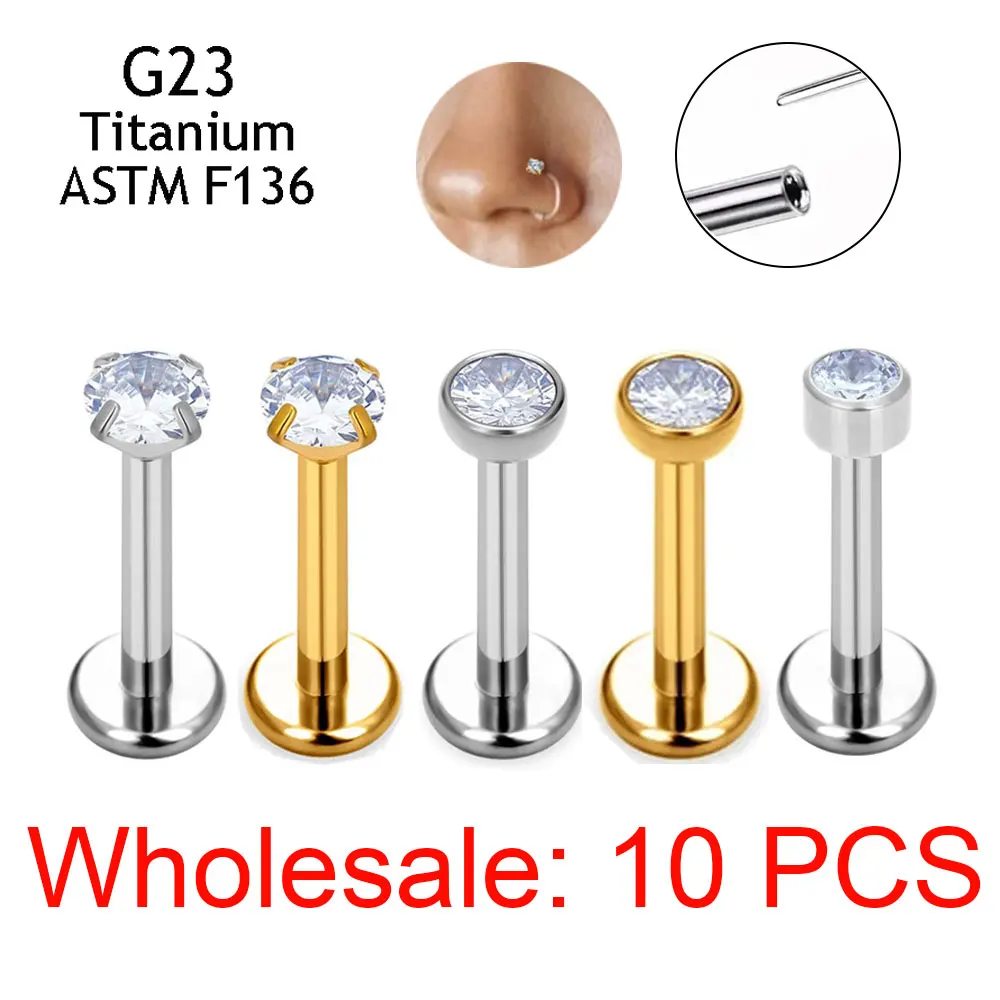
- Professional-grade jewelry – Using implant-grade materials to minimize irritation and complications
- Extended healing timelines – Planning for 20-30% longer healing periods than typical clients
The professionals at Multnomah Body Piercing are trained to work with clients on blood thinners and understand the additional time and care required. We use sterile, professional equipment and follow strict protocols to ensure your safety throughout the entire process.
Aftercare Essentials for Blood Thinner Users
Your aftercare routine becomes even more important when taking blood thinners. Proper care reduces infection risk and supports faster, healthier healing.
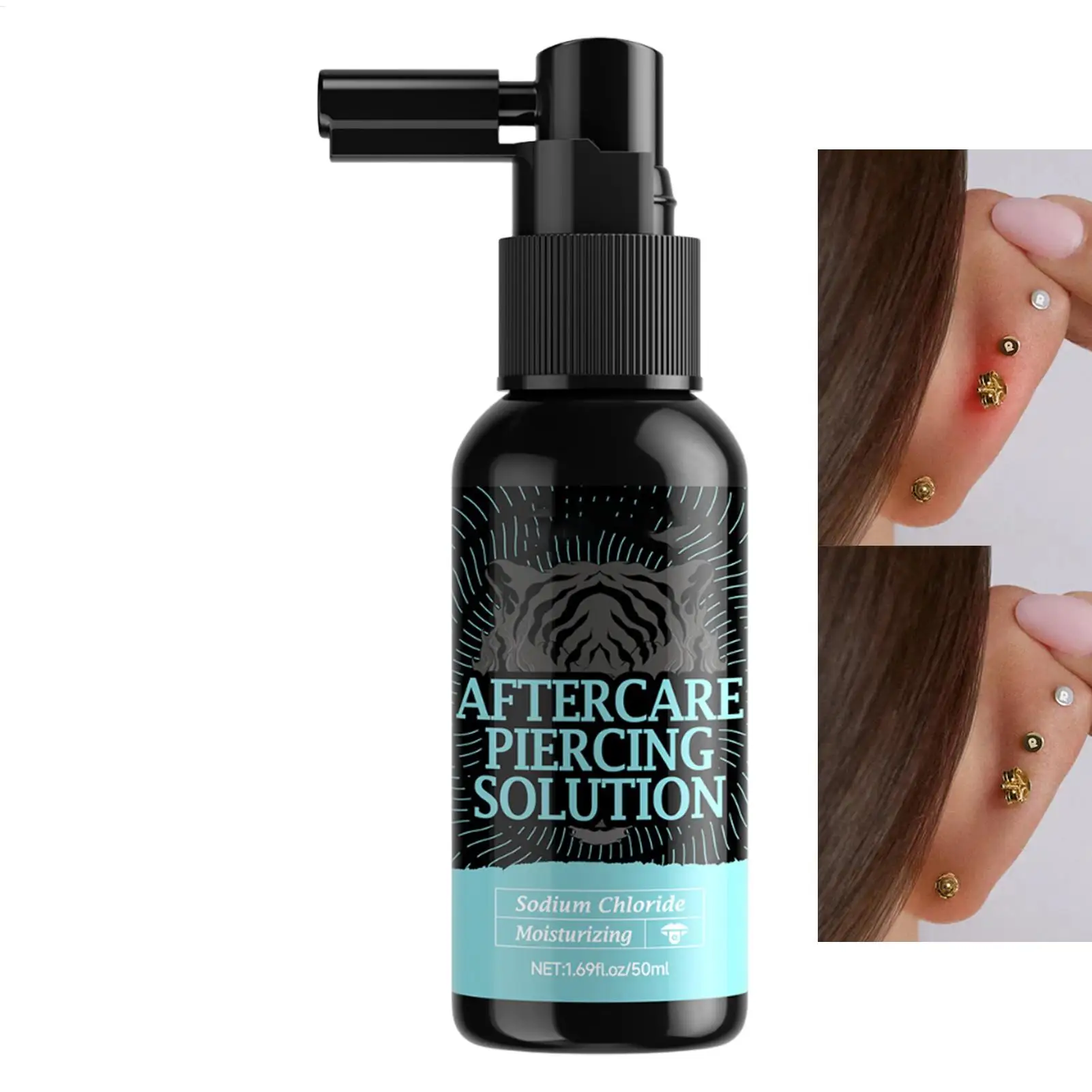
- Clean 2-3 times daily with sterile saline solution or professional piercing aftercare spray
- Avoid touching the piercing with unwashed hands
- Skip swimming and soaking for at least 2-4 weeks to prevent water contamination
- Wear loose, breathable clothing around the piercing site
- Avoid strenuous exercise for the first week, which can increase blood flow
- Monitor for signs of infection including excessive redness, warmth, pus, or fever
Healing typically takes 6-12 weeks for earlobe piercings and 3-6 months for cartilage piercings under normal circumstances. When on blood thinners, extend these estimates by 25-50% to allow your body adequate time to form strong tissue.
Contact Multnomah Body Piercing for Expert Guidance
Since 1974, Multnomah Body Piercing has been Oregon's trusted source for professional, safe piercing services. Our experienced team has worked with countless clients managing various medical conditions, and we take your health seriously.
If you're considering a piercing while on blood thinners, schedule a consultation with Multnomah Body Piercing today. We'll discuss your medical situation, help you understand the risks, and work with you to determine the safest approach. Bring your physician's approval, ask all your questions, and let our 50-year legacy of expertise guide your piercing journey. Your safety is our priority.
Frequently Asked Questions
can i get a piercing while on blood thinners
Getting pierced while on blood thinners like warfarin or aspirin carries increased risks of excessive bleeding and slower healing. At Multnomah Body Piercing, we recommend consulting with your physician before scheduling, as they can advise whether temporary adjustments are safe for your specific medication and health condition.
is it safe to get pierced on aspirin or coumadin
Both aspirin and Coumadin (warfarin) thin your blood and can lead to prolonged bleeding during and after piercing, potentially affecting the piercing outcome. We strongly advise discussing with your doctor at Multnomah Body Piercing before your appointment to determine if your medication needs adjustment or if piercing should be postponed.
what happens if you get a piercing while taking blood thinners
Blood thinners increase bleeding during the piercing procedure, which can make it difficult for your piercer to see the anatomy clearly and may result in excessive blood loss or bruising. Prolonged bleeding also increases infection risk and can negatively impact healing; Multnomah Body Piercing recommends medical clearance before proceeding.
how long should i stop taking blood thinners before getting pierced
Never stop taking prescribed blood thinners without explicit medical approval from your doctor, as they're typically essential for your health. At Multnomah Body Piercing, we work with clients to reschedule their appointment or find alternatives only after their physician confirms it's safe to pause or adjust their medication.
do piercers refuse clients on anticoagulants
Many professional piercers, including those at Multnomah Body Piercing, may decline to pierce clients actively taking blood thinners due to safety and liability concerns. We recommend being upfront about any medications during your consultation so we can discuss options or referrals with your healthcare provider.
can i get a nose or ear piercing on blood thinners
While smaller piercings like ear or nose piercings have less bleeding risk than larger ones, blood thinners still increase your risk of excessive oozing, bruising, and infection. At Multnomah Body Piercing, we evaluate each case individually and may recommend waiting until you have medical clearance to proceed safely.