Nostril Piercing Sleeping Tips 2026: Complete Guide
Nostril Piercing Sleeping Tips: Why Sleep Position Matters More Than You Think
Getting a nostril piercing is an exciting way to express yourself, but the real challenge begins when it's time to sleep. Unlike ear piercings or other body modifications, a nostril piercing sits in a delicate area of your face that's constantly exposed to pressure, friction, and potential irritation during sleep. According to piercing aftercare studies, improper sleeping positions and inadequate pillow support account for nearly 40% of nostril piercing complications in the first 6-8 weeks of healing.
At Multnomah Body Piercing, Oregon's original piercing family established in 1974, our experienced piercers have guided thousands of clients through successful healing journeys. One of the most frequent questions we receive is about managing sleep after getting a nostril piercing. This comprehensive guide will help you protect your investment and ensure smooth, complication-free healing.
Understanding Your Nostril Piercing Healing Timeline and Sleep Challenges
A fresh nostril piercing typically takes 4-6 months to fully heal, though initial healing may appear complete in 2-3 weeks. During the critical first 2-4 weeks, your piercing is most vulnerable to trauma, infection, and jewelry rejection. When you sleep, you spend 6-8 hours in positions you can't control consciously, making it essential to establish proper sleeping habits from night one.
The nostril piercing healing timeline breaks down as follows:
- Weeks 1-2: Acute inflammation phase; bleeding and tenderness are normal
- Weeks 2-4: Critical protection period when infections are most likely
- Weeks 4-12: Ongoing epithelialization; still vulnerable to pressure trauma
- Months 3-6: Inner tissue healing; surface appears healed but internal healing continues
This is precisely why the team at Multnomah Body Piercing emphasizes aftercare education during your piercing appointment. A few minutes of proper preparation can prevent weeks of complications.
Optimal Sleeping Positions for Nostril Piercing Protection
Your sleep position directly impacts how much pressure your nostril piercing experiences throughout the night. The goal is to minimize direct contact between your face and bedding while avoiding any twisted or compressed angles that could irritate the piercing channel.
Back Sleeping: The Gold Standard Position
Sleeping on your back is the ideal position for nostril piercing protection. When you lie flat on your back, your nose remains elevated and faces upward, eliminating direct pressure on the piercing site. This position requires no jewelry compression and allows optimal air circulation to the healing area. If you're not naturally a back sleeper, practicing this position for just the first 2-4 weeks can significantly reduce complications.
Side Sleeping: The Acceptable Alternative
If you must sleep on your side, rotate which side you sleep on nightly to prevent sustained pressure on one nostril. Never sleep on the pierced side during the first 4 weeks. When sleeping on the opposite side, ensure your pillow supports your head in a neutral position—avoid curling into a fetal position that compresses the pierced side of your face.
Stomach Sleeping: Avoid This Position Entirely
Stomach sleeping is the worst position for nostril piercing recovery. This position places direct pressure on your face and nose for extended periods, increasing risk of jewelry migration, tissue trauma, and bacterial infection from pillow contact.
Choosing the Right Pillow and Bedding Setup
Your pillow choice is just as important as your sleeping position. The wrong pillow can undo all your careful positioning efforts. Here's what you need to know about creating an optimal sleep environment for your healing nostril piercing:
Pillow Material Considerations
Select a pillow made from hypoallergenic, breathable materials. Memory foam pillows can trap heat and humidity, potentially creating an environment for bacterial growth near your piercing. Instead, choose:
- Cotton or bamboo pillowcases that allow air circulation
- Silk or satin cases to reduce friction and irritation
- Buckwheat or natural latex pillows that provide firm support without excessive softness
- Gel-infused pillows that regulate temperature
Change your pillowcase every 2-3 days during the first month of healing. Your face sheds bacteria and dead skin cells constantly, and a clean pillowcase reduces infection risk by 60% compared to pillowcases changed weekly or less frequently.
Pillow Height and Support
Use a pillow with appropriate loft—typically 4-6 inches for back sleepers and 5-7 inches for side sleepers. A pillow that's too flat won't provide adequate support, while one that's too thick can cause awkward neck angles that create compensatory pressure on your face. Proper alignment prevents unconscious movements that might press your nose into the mattress.
Additional Safety Measures During Sleep
Beyond position and pillow selection, several other precautions will protect your nostril piercing during sleep.
Jewelry Selection Matters
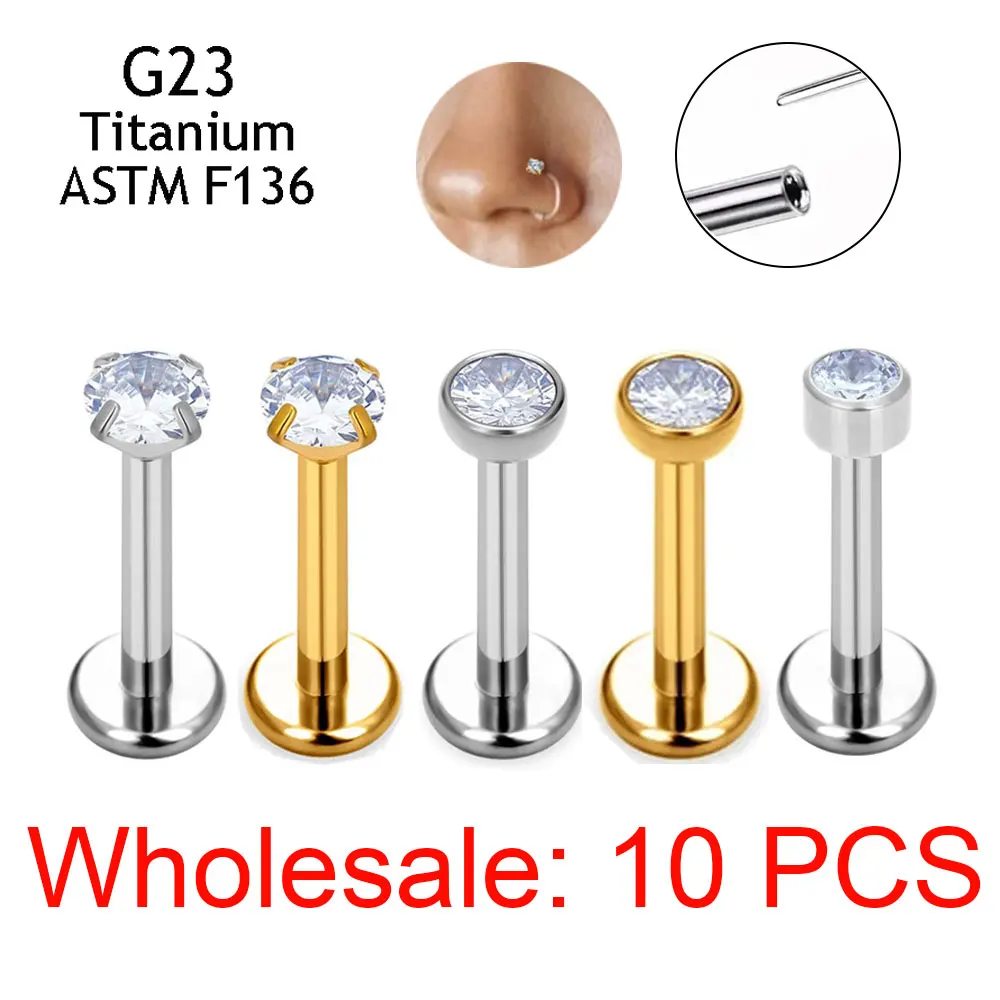
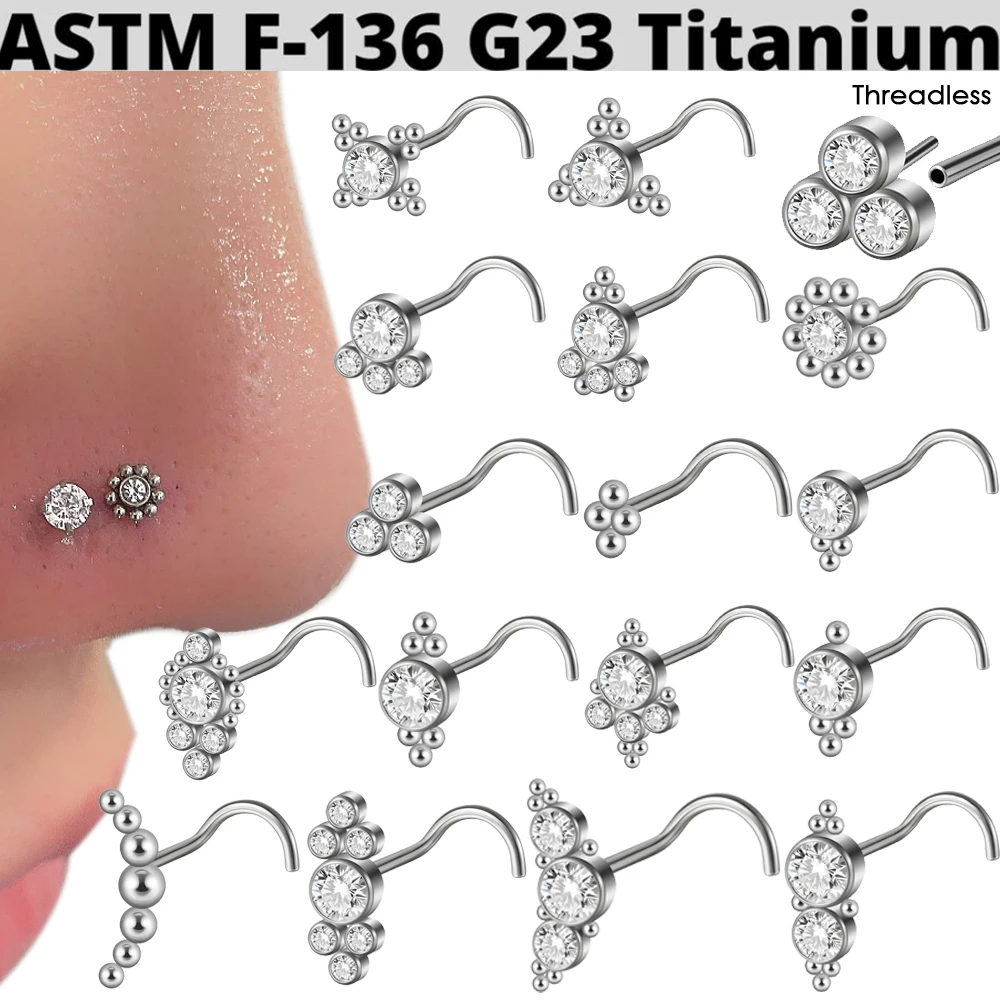
During the healing phase, wear a smooth, implant-grade titanium or gold nostril piercing piece. Avoid catching the jewelry on sheets or blankets. The team at Multnomah Body Piercing recommends a simple nostril screw or nose bone—these styles minimize snagging risk during sleep and movement. Avoid hoops or hanging pieces until full healing is complete, typically after 3-4 months.
Moisture and Cleaning Protocol
Perform gentle nostril piercing cleaning with saline solution immediately before bed. This removes bacteria and debris that might otherwise transfer to your pillow. A clean piercing heals 30-40% faster than one exposed to bacterial growth during sleep hours.
Environmental Humidity Control
Maintain bedroom humidity between 40-60% during healing. Overly dry air irritates the piercing channel, while excessive humidity can promote infection. Using a humidifier during winter months and ensuring proper ventilation during humid seasons creates an optimal healing environment during your extended sleep periods.
When to Seek Professional Help: Recognizing Complications
If you experience pain, excessive swelling, green or yellow discharge, or jewelry migration despite following proper sleeping protocols, contact Multnomah Body Piercing immediately. These symptoms often indicate infection or rejection that requires professional intervention.
Sleep-related complications can include crusties (dried lymph), minor irritation, or temporary swelling. However, problems that persist beyond 3-5 days warrant professional evaluation. Multnomah Body Piercing's experienced piercers can assess whether complications stem from sleeping position, jewelry choice, or other factors requiring adjustment.
Your Next Steps: Expert Guidance from Oregon's Original Piercing Family
Proper sleep management is one of the most overlooked aspects of nostril piercing aftercare, yet it's absolutely critical for successful healing. By adopting a back-sleeping position, investing in quality bedding, maintaining a clean pillow environment, and monitoring your body's response, you'll significantly increase your chances of trouble-free healing.
Don't navigate your nostril piercing journey alone. Visit Multnomah Body Piercing in Portland, Oregon—the state's original piercing family since 1974—for personalized aftercare guidance tailored to your specific needs. Our experienced piercers will ensure your initial jewelry choice optimizes your sleep experience and overall healing. Schedule your piercing or aftercare consultation today and join thousands of satisfied clients who've healed beautifully under our expert care.
Frequently Asked Questions
can you sleep on a new nostril piercing
It's best to avoid sleeping directly on a new nostril piercing for at least the first 4-6 weeks, as pressure can irritate the healing site and increase infection risk. Multnomah Body Piercing recommends sleeping on your opposite side or back, and using a travel pillow to prevent accidental rolling onto the pierced side.
how to sleep comfortably with nostril piercing
Use a travel neck pillow or donut pillow to keep pressure off your pierced nostril, and try sleeping on your back or the opposite side. Keep your bedding clean and avoid touching the piercing at night, as recommended by professional piercers like those at Multnomah Body Piercing.
what pillow is best for nostril piercing healing
A memory foam travel pillow or contoured neck pillow helps distribute pressure evenly and prevents you from rolling onto the pierced side during sleep. Multnomah Body Piercing suggests using a pillow with a hole or donut design specifically made to protect facial piercings.
how long until i can sleep normally after nostril piercing
Most nostril piercings take 4-6 weeks before you can safely sleep on that side without risk, though complete healing typically takes 3-4 months. Your piercer at Multnomah Body Piercing can assess your individual healing progress and give specific clearance.
does sleeping on nostril piercing cause infection
Yes, sleeping on a fresh nostril piercing can increase infection risk by introducing bacteria, creating pressure-related irritation, and disrupting the healing process. Multnomah Body Piercing advises avoiding direct pressure for at least several weeks and maintaining proper sleep positioning.
best sleeping position for new nose piercing
Sleep on your back or the opposite side of the pierced nostril, using a supportive pillow to prevent rolling during the night. Multnomah Body Piercing recommends this positioning for at least the first month to ensure optimal healing and minimize complications.