Nostril Piercing Bump Treatment 2026: Complete Guide
Understanding Nostril Piercing Bumps: What You're Actually Dealing With
A nostril piercing bump is one of the most common complications piercing enthusiasts face, affecting approximately 15-20% of people with fresh nostril piercings. This frustrating development typically appears weeks or even months after your initial piercing. Before you panic, it's important to understand that not all bumps are keloids—in fact, most are hypergranulation tissue or irritation bumps, which are far more manageable.
The skin around your nostril contains sensitive mucous membranes and delicate tissue. When you introduce a piercing needle, your body initiates an inflammatory response designed to heal the wound. Sometimes, this healing process becomes overactive, creating a raised, often reddish bump around the piercing site. The bump may feel tender, ooze lymph fluid, or crust over intermittently.
If you've recently gotten a nostril piercing and notice a bump developing, knowing the difference between types of bumps is crucial for selecting the right treatment approach. At Multnomah Body Piercing, Oregon's original piercing family since 1974, our experienced piercers have helped countless clients navigate post-piercing complications with professional guidance and proven solutions.
Types of Nostril Piercing Bumps and How to Identify Them
Understanding what type of bump you're dealing with will dramatically improve your treatment success rate. The three most common bump types include:
Irritation Bumps (Most Common)
Irritation bumps account for approximately 80% of nostril piercing complications. These bumps appear as small, raised nodules that are typically red or pink and may weep clear or slightly yellowish fluid. They develop due to excessive movement of the jewelry, allergic reactions to the piercing material, or aggressive cleaning habits. Irritation bumps are usually tender to the touch but not painfully swollen.
Hypergranulation Tissue
Hypergranulation is essentially an overproduction of healthy healing tissue. These bumps are typically red, granular in appearance, and may bleed slightly when irritated. Unlike keloids, hypergranulation tissue will not continue growing indefinitely and often responds well to conservative treatments.
Keloids
True keloids are rare with nostril piercings, occurring in only 2-3% of cases, though individuals with darker skin tones have slightly higher predisposition. Keloids extend beyond the original piercing site, are firm and shiny, and continue growing over time. If you suspect a keloid, professional dermatological evaluation is essential.
Immediate Treatment Steps for Nostril Piercing Bump Relief
The moment you notice a bump forming around your nostril piercing bump, swift action can prevent further complications. Here are evidence-based treatment strategies:
Jewelry Assessment and Adjustment
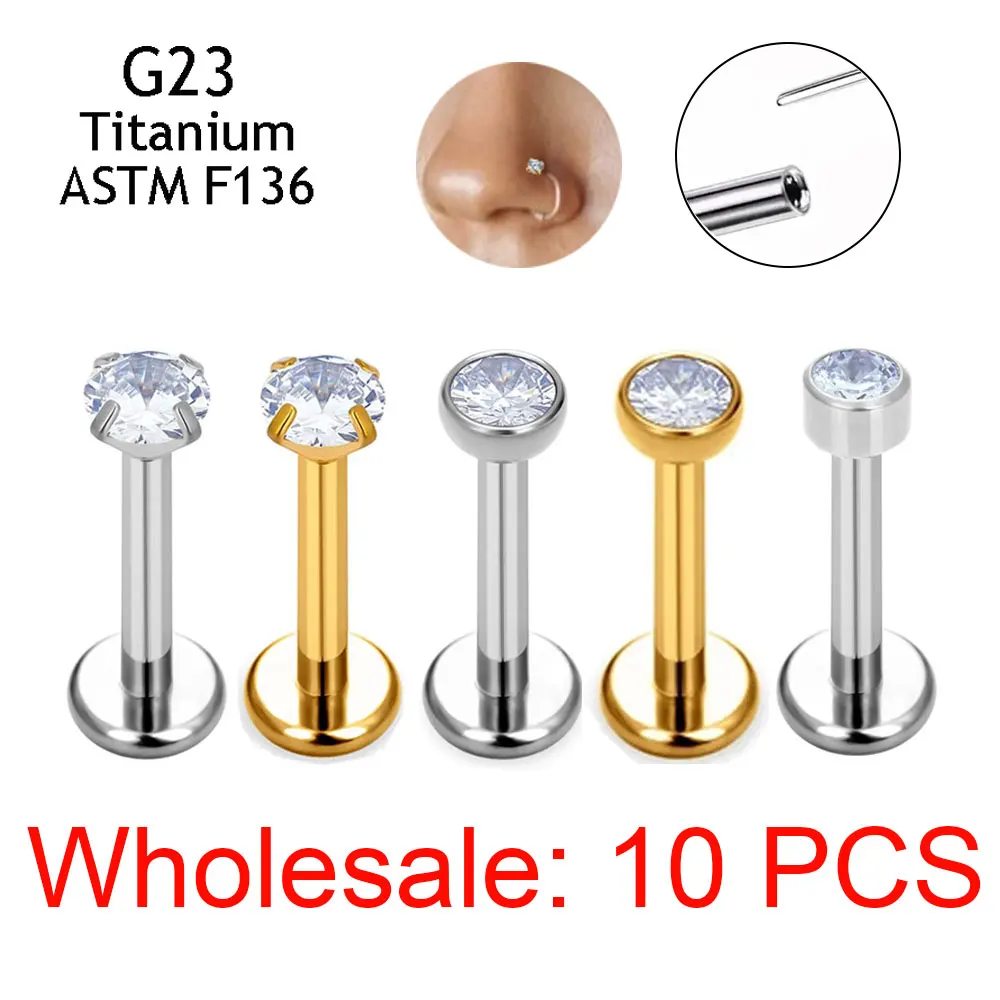
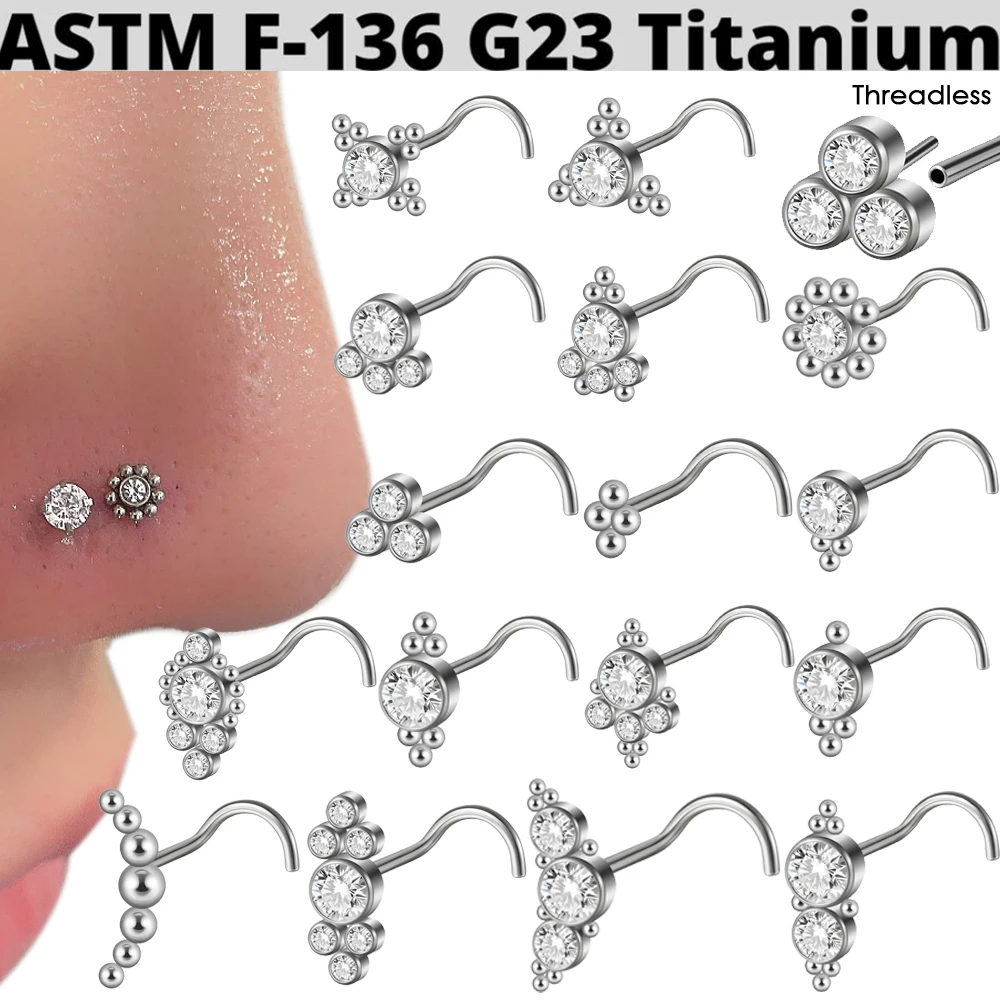
Your first step should be evaluating your current jewelry. Implant-grade titanium (ASTM F136 or F67) and solid gold (14k minimum) are your best options, as they minimize allergic reactions. If your jewelry contains nickel or low-quality alloys, switching to hypoallergenic materials can eliminate the bump within 4-6 weeks in many cases. The gauge and length of your jewelry also matter—if the post is too long or short, it can cause constant irritation.
Saline Solution Protocol
Establish a consistent saline rinse routine using sterile saline solution (0.9% sodium chloride). Mix one-quarter teaspoon of non-iodized sea salt with 8 ounces of distilled water, or purchase pre-made sterile saline spray. Soak the area 2-3 times daily for 5-10 minutes. This reduces inflammation and promotes proper healing without introducing harsh chemicals. Never use hydrogen peroxide, alcohol, or Neosporin, as these interfere with your body's natural healing process.
Reduce Unnecessary Movement
Constant touching, twisting, or playing with your jewelry exacerbates irritation. Establish a strict no-touch policy and minimize jewelry movement. Sleep on your opposite side, use a travel pillow to prevent pressure on the piercing, and avoid sleeping face-down.
Advanced Treatment Options for Persistent Bumps
If conservative treatments haven't resolved your nostril piercing irritation after 4-6 weeks, more targeted approaches may be necessary:
Chamomile and Tea Tree Solutions
While not a substitute for professional care, chamomile tea compresses have demonstrated anti-inflammatory properties in traditional practices. Steep a chamomile tea bag in hot water, let it cool to a comfortable temperature, and apply for 10 minutes. Some piercers recommend diluted tea tree oil (1 part tea tree to 10 parts carrier oil), though this should be used cautiously as it can irritate sensitive tissue.
Pressure Earrings and Retainers
Specialized pressure earrings designed for nostril piercings can help flatten hypergranulation tissue. These low-profile retainers provide gentle, continuous compression that encourages tissue regression. After 2-4 weeks of consistent use, many people see significant improvement.
Professional Intervention
When bumps persist beyond 8 weeks despite proper care, consulting with a professional piercer at an establishment like Multnomah Body Piercing becomes invaluable. Experienced piercers can assess whether your jewelry placement is optimal and may recommend downsizing or switching to implant-grade materials. In rare cases, dermatological treatments including steroid injections or laser therapy may be necessary—these should only be pursued under medical supervision.
Prevention Strategies for Future Nostril Piercings
The best nostril piercing aftercare starts before you even get pierced. Choose a reputable piercer with proper credentials, verify they use sterile equipment, and ensure they use only high-quality jewelry. During the healing period (typically 3-6 months for nostril piercings), follow these prevention guidelines:
- Use implant-grade titanium or solid gold exclusively
- Maintain consistent saline rinses twice daily
- Avoid touching, twisting, or moving jewelry unnecessarily
- Keep makeup and skincare products away from the piercing site
- Don't change jewelry until the piercing is fully healed
- Avoid swimming, hot tubs, and excessive moisture exposure
- Sleep on the opposite side for the first 6-8 weeks
When to Seek Professional Help at Multnomah Body Piercing
Knowing when to escalate care from home treatment to professional intervention is crucial. If you experience severe swelling, pus discharge, signs of infection (fever, spreading redness), or a bump that worsens despite proper care, schedule a consultation immediately. Multnomah Body Piercing, Oregon's trusted piercing establishment for over 50 years, offers professional assessments and expert recommendations. Their experienced team can identify exactly what type of bump you're dealing with and provide targeted solutions based on decades of piercing expertise.
Your nostril piercing should be a beautiful addition to your appearance, not a source of ongoing frustration. By understanding the nature of piercing bumps and implementing proper treatment strategies, you can resolve most complications within 4-8 weeks. If home treatments haven't resolved your nostril piercing bump, contact Multnomah Body Piercing today for professional guidance and expert care that honors Oregon's original piercing family legacy.
Frequently Asked Questions
how to treat a bump on nostril piercing
Nostril piercing bumps are commonly caused by irritation, infection, or keloid formation and can be treated with saline soaks, proper cleaning, and avoiding irritants like makeup or jewelry material changes. The team at Multnomah Body Piercing recommends consistent sea salt soaks twice daily and ensuring your jewelry is high-quality titanium or surgical steel to prevent further irritation.
what causes bumps after nose piercing
Bumps after nose piercing typically result from excessive touching, low-quality jewelry, harsh cleaning products, or the body's inflammatory response to the piercing. Multnomah Body Piercing advises that most bumps resolve with gentle care, proper jewelry selection, and patience—usually within 2-4 weeks of consistent treatment.
can you use tea tree oil on nostril piercing bump
While tea tree oil has antimicrobial properties, it can be too harsh for fresh piercings and may cause additional irritation; saline solution is the safer, recommended option. Multnomah Body Piercing suggests consulting with your piercer before using any essential oils, as they can interfere with the healing process.
when should i see a doctor for nostril piercing bump
You should see a doctor if the bump is accompanied by severe pain, excessive discharge, fever, or shows signs of infection that don't improve after a week of saline treatment. Multnomah Body Piercing recommends scheduling a consultation with your piercer first, as they can distinguish between normal irritation bumps and infections requiring medical attention.
how long does it take for nose piercing bump to go away
Most irritation bumps on nostril piercings resolve within 2-6 weeks with proper care, though keloid bumps may take longer and sometimes require professional treatment. Your piercer at Multnomah Body Piercing can assess the bump type and provide a realistic timeline based on your specific healing pattern.
is my nose piercing bump infected or just irritated
Irritation bumps are usually firm, painless, and don't produce discharge, while infected bumps tend to be red, warm, swollen, and may leak pus or blood. If you're unsure, Multnomah Body Piercing recommends having your piercer evaluate it immediately to determine whether it needs saline care or medical intervention.