Nostril Piercing Aftercare Guide 2026: Complete Guide
Nostril Piercing Aftercare Guide 2026: Complete Guide to Healing Your New Piercing
Getting a nostril piercing is an exciting way to express your personal style, but the real work begins after you leave the piercing studio. Proper nostril piercing aftercare is essential for ensuring your piercing heals correctly and remains beautiful for years to come. At Multnomah Body Piercing, Oregon's original piercing family since 1974, we've guided thousands of clients through the healing process with proven care instructions that minimize complications and promote optimal results.
The healing timeline for a nostril piercing typically ranges from 4 to 6 months, though complete internal healing can take up to a year. Understanding what to expect during this period and following proper care instructions will help you achieve the best outcome for your new piercing.
Understanding the Nostril Piercing Healing Timeline
The first few weeks after your nostril piercing are critical. During the initial 2-4 weeks, your body is working hard to form a protective epithelial lining around the jewelry. This stage is when your piercing is most vulnerable to infection and irritation.
By week 4-6, the surface of your piercing may appear healed, but this is misleading. The internal healing process continues well beyond what you can see on the outside. Most nostril piercings reach functional healing around the 8-12 week mark, meaning the piercing is stable enough to change jewelry without significant difficulty. However, complete tissue maturation doesn't occur until 4-6 months have passed.
Multnomah Body Piercing recommends waiting the full recommended healing period before making jewelry changes, even if your piercing feels completely healed earlier. Premature jewelry changes are one of the leading causes of complications we see in follow-up consultations.
Essential Daily Nostril Piercing Aftercare Routine
Establishing a consistent daily routine is the foundation of successful nostril piercing aftercare. The key is keeping your piercing clean without over-cleaning, which can cause irritation.
The Saline Solution Method
Your primary cleaning tool should be a sterile saline solution, specifically formulated for piercing aftercare. Look for solutions containing 0.9% sodium chloride with no additives, preservatives, or alcohol. You should clean your piercing twice daily—once in the morning and once in the evening.
- Use a clean paper towel or sterile gauze to apply the saline solution
- Soak the area for 3-5 minutes to loosen any crusty buildup
- Gently pat dry with a fresh paper towel (cloth towels can harbor bacteria)
- Never spin or twist the jewelry during cleaning
Many people find that using a sterile saline spray is more convenient than soaking. Brands specifically designed for piercings are available at piercing studios, including at Multnomah Body Piercing, and are worth the investment for consistent, contamination-free application.
What NOT to Do During Healing
While you're learning proper care instructions, it's equally important to understand what behaviors can compromise your healing piercing:
- Avoid touching your piercing with unwashed hands
- Don't use alcohol, hydrogen peroxide, or antibiotic ointments
- Refrain from changing jewelry before the recommended healing period
- Skip swimming, hot tubs, and submerged water activities for at least 2 weeks
- Don't sleep on the side of your new piercing if possible
- Avoid makeup and skincare products near the piercing site
Managing Common Healing Challenges and Irritation
Even with perfect aftercare technique, some irritation is normal during the healing process. A small amount of clear or slightly yellowish discharge is expected, particularly in the first 2-3 weeks. However, understanding the difference between normal healing and warning signs is crucial.
Mild redness, slight swelling, and sensitivity to touch are typical responses as your body adjusts to the foreign object. These symptoms should gradually decrease over the first 2 weeks. If you notice excessive swelling that doesn't improve after the first week, yellow or green discharge, or increasing pain, contact your piercer immediately.
One common issue is the formation of "crusties"—dried lymph and dead skin cells that accumulate around the jewelry. While they look unsightly, they're actually a normal part of healing. Never pick at these crusties, as doing so can re-traumatize the piercing and restart the healing process. Instead, soften them with saline solution before gently wiping them away.
If you experience a bump or keloid formation, don't panic. These can often be managed with consistent saline soaks and sometimes warm compresses. The team at Multnomah Body Piercing can assess problematic bumps and recommend appropriate solutions, which may include jewelry adjustment or specialized treatments.
Jewelry Considerations and Best Practices
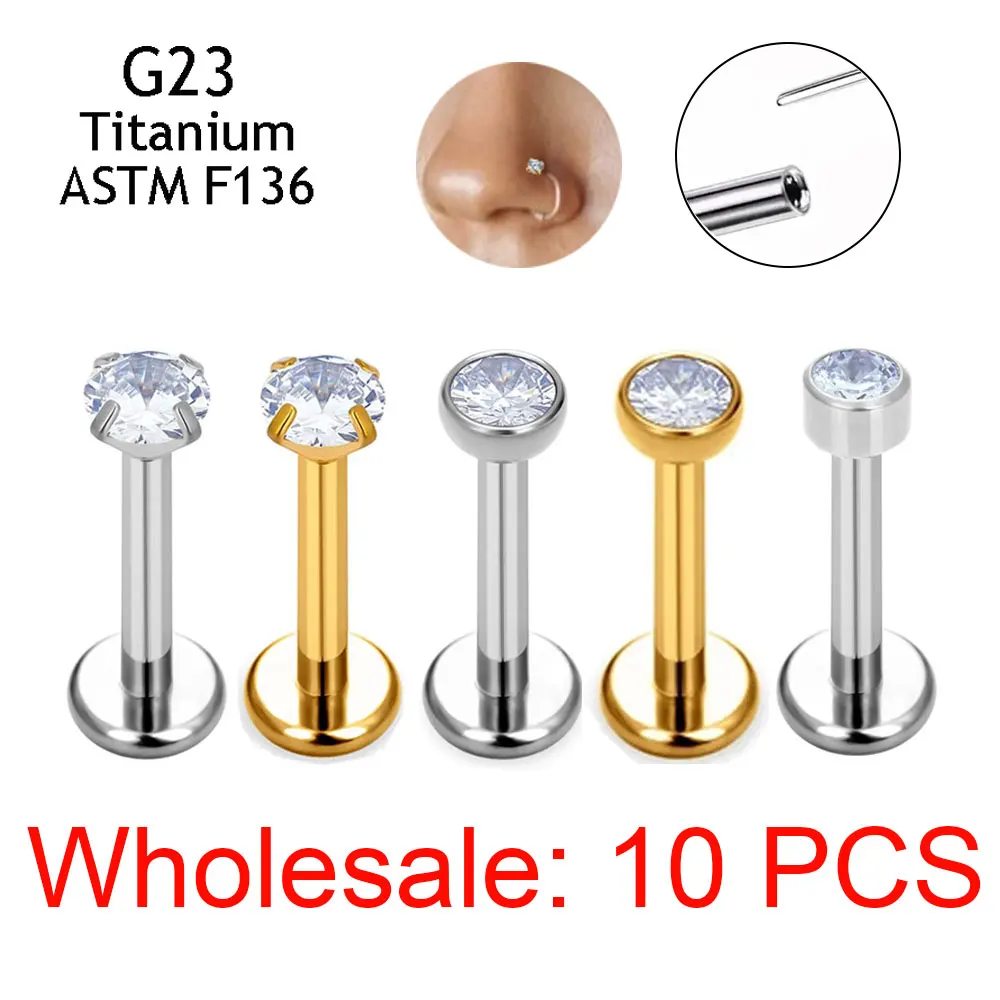
The type of jewelry you choose significantly impacts your healing experience. For your initial nostril piercing, professional piercers almost universally recommend implant-grade titanium (ASTM F136) as the gold standard material. Titanium is hypoallergenic, highly biocompatible, and less likely to cause allergic reactions or complications.
Your initial piece should be appropriately sized—typically 18 or 20 gauge for nostril piercings, with a length that allows for slight swelling without embedding. The jewelry should be smooth with no rough edges that could irritate the delicate nasal tissue.
After complete healing (4-6 months), you have more flexibility in jewelry choices. However, even then, nickel-containing alloys should be avoided, as nickel allergies are surprisingly common and can develop even if you haven't had reactions before. Gold (14k or higher), surgical steel (if nickel-free), glass, and high-quality implant-grade materials remain your safest choices.
When you do change your jewelry—whether that's at Multnomah Body Piercing or elsewhere—use sterile technique and quality replacement pieces. Many complications arise from jewelry changes made with inadequate sterilization or low-quality materials.
When to Seek Professional Help
While most nostril piercings heal without incident when proper aftercare is followed, knowing when to seek professional assistance is important. Contact your piercer if you experience:
- Signs of infection: fever, excessive pain, pus (greenish or yellowish discharge)
- Severe swelling that doesn't improve after 3-4 days
- Allergic reactions: rash, hives, or difficulty breathing
- The jewelry becoming embedded or stuck in the tissue
- Persistent problems that don't improve with consistent aftercare after 2 weeks
Professional piercers, including those at Multnomah Body Piercing, have extensive experience troubleshooting healing issues and can provide guidance that generic online advice cannot. Having a relationship with your original piercer means they understand your specific piercing and can offer tailored recommendations.
Long-Term Care After Your Piercing Heals
Once your nostril piercing has fully healed, your maintenance routine becomes much simpler. You can transition to occasional cleaning with saline solution—perhaps weekly or when you notice buildup—rather than daily soaks. Keep the area clean during your regular face-washing routine, but you no longer need the intensive aftercare protocol.
Even with a healed piercing, remember that nostril piercings can close relatively quickly if you remove jewelry for extended periods. If you need to take out your jewelry temporarily, keep a retainer in place to prevent closure. Quality retainers are available at Multnomah Body Piercing and other professional studios.
Congratulations on your new nostril piercing! With consistent, proper nostril piercing aftercare following these evidence-based guidelines, you're well on your way to a beautifully healed piercing. If you have questions during your healing journey or need professional guidance, visit Multnomah Body Piercing—Oregon's trusted piercing professionals since 1974—where our experienced team is ready to support your piercing success.
Frequently Asked Questions
how long does a nostril piercing take to heal
A nostril piercing typically takes 4-6 months to fully heal, though it may feel healed sooner. Multnomah Body Piercing recommends following their complete aftercare guide during this entire period to prevent complications and ensure proper healing.
what should i clean my nose piercing with
Use a saline solution (non-iodized salt water) or sterile saline spray to clean your nostril piercing 2-3 times daily. Multnomah Body Piercing advises avoiding alcohol, hydrogen peroxide, and harsh soaps, as these can irritate the piercing and slow healing.
when can i change my nostril piercing jewelry
You should wait at least 4-6 months before changing your nostril piercing jewelry, depending on how well it has healed. The piercers at Multnomah Body Piercing can assess your piercing and help you safely switch to new jewelry once it's fully healed.
is it normal for a new nose piercing to be swollen and sore
Yes, some swelling, redness, and soreness for the first few days after piercing is completely normal. If excessive swelling or pain persists beyond a week, contact Multnomah Body Piercing to ensure there are no complications.
can i sleep on my nostril piercing
It's best to avoid sleeping on the side of your new nostril piercing for the first 2-3 weeks to minimize irritation and swelling. Multnomah Body Piercing recommends using extra pillows or sleeping on your back during the initial healing phase.
what should i avoid after getting my nose pierced
Avoid swimming, hot tubs, makeup, perfume, and touching your piercing with unwashed hands during the healing period. According to Multnomah Body Piercing's aftercare guidelines, you should also avoid high-impact activities and excessive heat that could increase swelling.