Nose Piercing Swimming Guide 2026: Complete Guide
Can You Swim With a Nose Piercing? Complete 2026 Guide
Whether you've just gotten a new nose piercing or you're planning one before summer, understanding how to care for your piercing while swimming is essential. At Multnomah Body Piercing, Oregon's original piercing family since 1974, we've guided thousands of clients through the swimming season with healthy, beautiful piercings. This comprehensive guide covers everything you need to know about swimming with a nose piercing.
The short answer is yes—you can swim with a nose piercing, but timing and precautions matter significantly. Most professional piercers recommend waiting 6-8 weeks for a new nose piercing before exposing it to chlorinated pools, salt water, or hot tubs. However, even fully healed piercings require specific care when swimming to prevent complications like infections and jewelry corrosion.
The Healing Timeline: When Can You Actually Swim?
A nose piercing typically takes between 6 to 8 weeks to reach the initial healing stage, though complete healing can take 3-6 months depending on the piercing location. During the first 2-3 weeks, your new piercing is most vulnerable to bacteria and irritation.
Initial healing phase (Weeks 1-3): Absolutely avoid swimming in pools, oceans, and hot tubs. Your piercing is essentially an open wound during this period. Even chlorinated water can introduce bacteria directly into the fresh wound.
Early healing phase (Weeks 4-8): While the exterior may appear healed, the internal channel is still fragile. Many piercers still recommend avoiding swimming during this window. If you must swim, additional precautions are necessary.
Fully healed piercing (8+ weeks): Once your nose piercing is completely healed, swimming becomes much safer. However, you'll still want to take protective measures, especially in chlorinated or salt-water environments. The team at Multnomah Body Piercing can assess your specific healing progress and give personalized swimming recommendations based on your piercing type and placement.
Pool and Chlorine: What You Need to Know
Chlorinated swimming pools present multiple challenges for nose piercings. Chlorine is a powerful disinfectant that can irritate healing or sensitive piercings, and pool water often contains bacteria despite chemical treatment.
Chlorine exposure risks: Chlorine can cause inflammation, irritation, and in some cases, mild allergic reactions around the piercing site. It may also discolor certain jewelry materials, particularly silver and some plated metals. If you have a fully healed piercing with quality jewelry (surgical steel, titanium, or gold), the risks are minimal compared to newer piercings.
Best practices for pool swimming: Apply a waterproof bandage or adhesive bandage over your nose piercing before entering the pool. While not 100% waterproof, a quality bandage significantly reduces water exposure. Alternatively, use a saline solution rinse immediately after swimming—this helps flush out any chlorinated water that contacted your piercing. Avoid touching or playing with your jewelry while in the pool, as this can introduce bacteria.
The professionals at Multnomah Body Piercing recommend high-quality adhesive bandages designed for water activities rather than standard band-aids, which tend to loosen quickly in wet conditions.
Ocean Swimming and Salt Water Exposure
Salt water presents a unique situation for nose piercings. Interestingly, salt water is often recommended as a natural healing solution for piercings, yet ocean water is different from saline solutions used in piercing aftercare.
Ocean water considerations: Natural ocean water contains salt, which can help reduce inflammation and has some antimicrobial properties. However, ocean water also contains sand, algae, marine bacteria, and other contaminants that can cause infections. The salinity level in ocean water (approximately 3.5%) differs from the ideal saline solution concentration (0.9%) used for piercing care.
For fully healed piercings: Many people find that ocean swimming actually feels soothing to their piercings. You can swim in the ocean with a fully healed nose piercing, but rinse with fresh water immediately afterward to remove salt residue and sand particles. Don't let sand contact your piercing directly.
For newer piercings: Avoid ocean swimming during the first 8 weeks. The combination of salt, bacteria, and the risk of sand entering the piercing makes ocean exposure too risky during healing.
Hot Tubs and Warm Water Risks
Hot tubs present particular challenges for nose piercings because warm water opens pores and increases the skin's ability to absorb bacteria and chemicals. The combination of heat, moisture, and high bacterial load makes hot tubs especially problematic.
Why hot tubs are risky: Hot tub water is maintained at 104°F (40°C), which creates an ideal environment for bacteria growth. Pseudomonas aeruginosa and other waterborne bacteria thrive in warm, chlorinated environments. These bacteria can cause infections in piercings, leading to complications that require professional treatment.
Timeline for hot tub use: Wait at least 12 weeks before using a hot tub with a new nose piercing. Even with a fully healed piercing, limit hot tub exposure and follow the same protective measures as pool swimming. Some piercers recommend avoiding hot tubs entirely during the first 6 months, especially if your piercing experiences any irritation or redness.
If you're unsure whether your piercing is ready for water activities, the experienced piercers at Multnomah Body Piercing can examine your piercing and provide specific guidance based on its current condition.
Protecting Your Jewelry While Swimming
Beyond water exposure, swimming poses additional risks to your jewelry itself. Chlorine can corrode certain metals, water pressure can loosen tight-fitting jewelry, and physical activity increases the risk of catching or bumping your piercing.
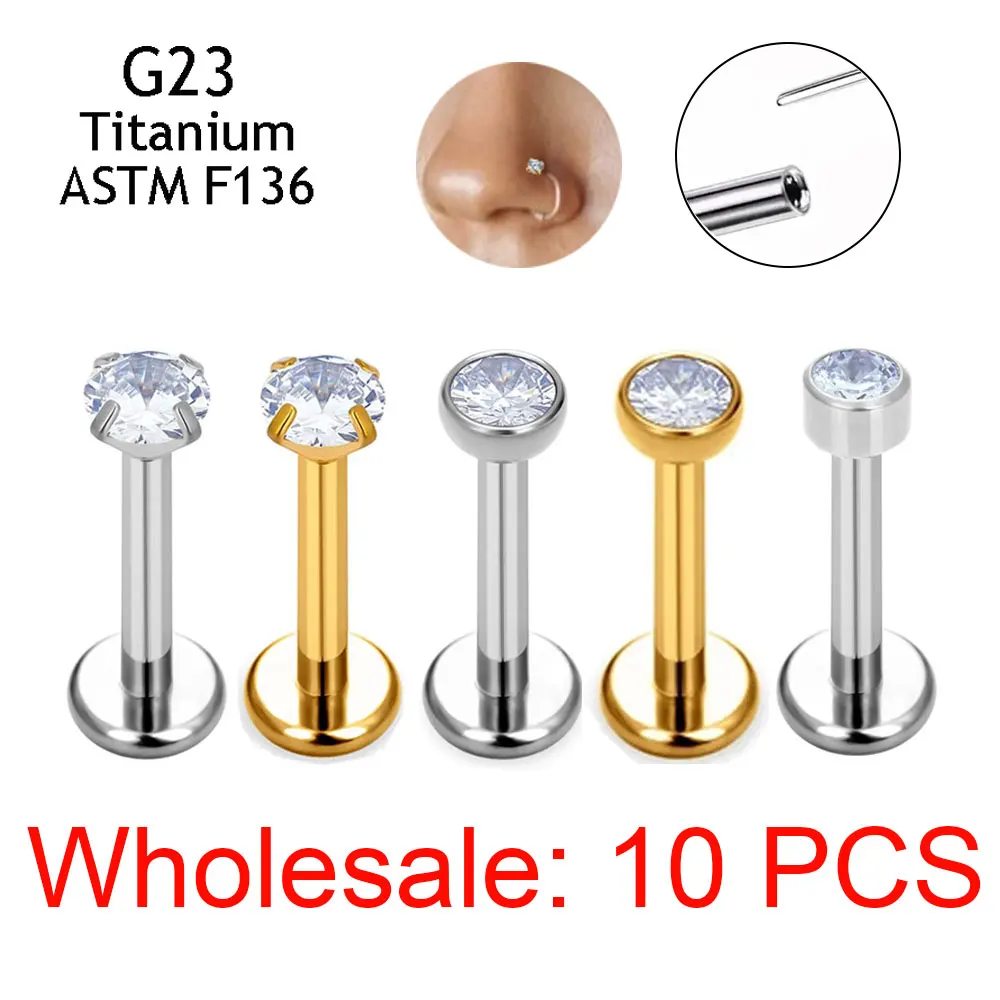
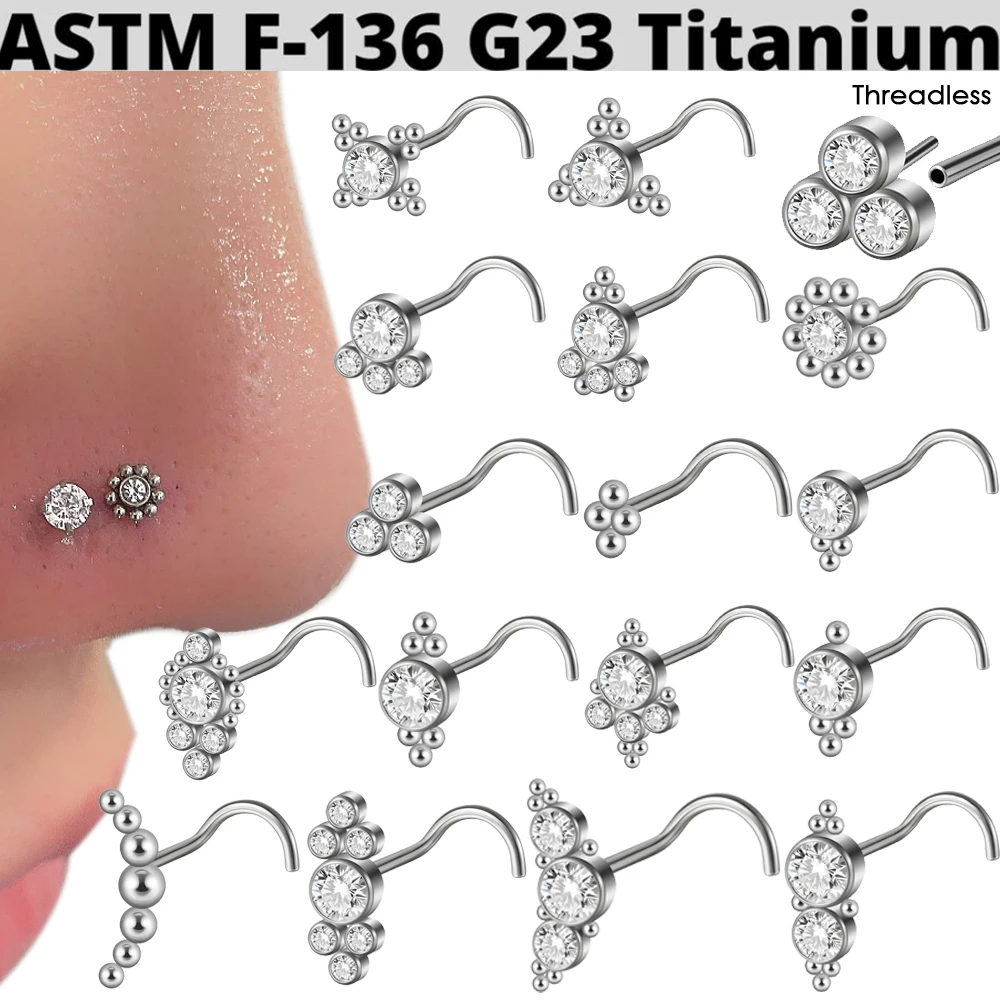
Jewelry material matters: High-quality materials like implant-grade titanium, solid gold (14K or higher), and surgical steel resist corrosion and are safe for water exposure. Avoid plated jewelry, mystery metals, and low-quality stainless steel, which corrode quickly in chlorinated water.
Jewelry security: Before swimming, ensure your jewelry is tight enough that it won't slip out, but not so tight that it restricts healing. Threadless/push-fit jewelry is excellent for swimming because it stays secure. Check that your labret stud, nose ring, or other jewelry is properly secured before entering the water.
Consider temporary jewelry: Some people prefer removing their regular jewelry and using a simple, secure retainer during swimming season. This protects your favorite piece from potential damage while minimizing infection risks with a smooth, inert surface.
Aftercare Protocol: Post-Swimming Steps
What you do after swimming is just as important as what you do before. A proper aftercare routine significantly reduces infection risk and keeps your piercing healthy.
- Rinse immediately: Use clean, fresh water to rinse your nose and piercing as soon as possible after swimming. Gently remove any visible chlorine, salt, or sand.
- Saline solution soak: Apply a sterile saline solution to your piercing for 5-10 minutes. This removes any residual contaminants and promotes healing.
- Pat dry: Use a clean paper towel or gauze to gently pat the area dry. Avoid using cloth towels, which harbor bacteria.
- Monitor for irritation: Watch for increased redness, swelling, discharge, or pain. Minor irritation typically subsides within 24 hours with proper care.
- Avoid touching: Don't twist, turn, or fidget with your jewelry for at least a few hours after swimming.
Since 1974, Multnomah Body Piercing has been Oregon's trusted source for piercing expertise and aftercare guidance. Whether you're experiencing complications from swimming or need personalized advice for your specific piercing, our experienced team is here to help.
Ready to ensure your nose piercing stays healthy through swimming season? Schedule a consultation with the professionals at Multnomah Body Piercing today. Our expert piercers can assess your piercing's healing progress, recommend the best jewelry for your lifestyle, and provide detailed guidance on water activities. As Oregon's original piercing family, we're committed to keeping your piercing beautiful and infection-free. Visit us or contact Multnomah Body Piercing for personalized care advice tailored to your nose piercing and swimming plans.
Frequently Asked Questions
can i swim after getting my nose pierced
You should wait 4-6 weeks before swimming in chlorinated pools or saltwater, as your piercing needs time to heal and is vulnerable to bacteria and irritants. Multnomah Body Piercing recommends keeping your new nose piercing dry and clean during the initial healing phase, which typically takes 2-3 months for complete closure prevention.
how long do i have to wait to swim with a nose piercing
Most piercers recommend waiting at least 4-6 weeks before swimming, though full healing can take 2-3 months depending on your body. At Multnomah Body Piercing, we advise clients to avoid pools, oceans, and hot tubs until the initial healing stage is complete to prevent infection and complications.
is it safe to swim with a new nose piercing
Swimming with a fresh nose piercing is not recommended during the first 4-6 weeks due to exposure to bacteria, chlorine, and salt water that can cause infection or irritation. Multnomah Body Piercing suggests waiting until your piercing has sufficiently healed before exposing it to pool or ocean water.
what should i do if i get water in my nose piercing
If water gets in your nose piercing, rinse it gently with saline solution and pat dry with a clean paper towel—avoid touching it with dirty hands. If you experience increased pain, swelling, or signs of infection after water exposure, contact Multnomah Body Piercing for professional guidance.
can i wear a retainer to swim with nose piercing
Yes, a clear retainer or plastic nose stud can help protect your piercing while swimming, but it doesn't eliminate all risks from bacteria and irritants in water. Multnomah Body Piercing recommends waiting until your piercing is fully healed (2-3 months) before swimming, even with a retainer in place.
what type of nose piercing jewelry is best for swimming
Titanium and surgical steel are ideal for swimming because they resist corrosion from chlorine and saltwater better than gold or silver. If you do swim with a healed nose piercing, Multnomah Body Piercing suggests using high-quality implant-grade titanium to minimize irritation and maintain the integrity of your jewelry.