Nose Piercing Healing Time 2026: Complete Guide
How Long Does a Nose Piercing Take to Heal? The Complete Timeline
When you decide to get a nose piercing, one of the most important questions is: how long will it take to heal? The answer depends on several factors, but understanding the typical nose piercing healing time helps you prepare for proper aftercare and know what to expect during the weeks and months following your piercing. At Multnomah Body Piercing, Oregon's original piercing family since 1974, our experienced piercers help thousands of clients navigate this journey every year with expert guidance and professional standards.
The basic answer is that a nose piercing typically takes between 2 to 4 months to heal completely, though initial healing happens much faster. Most people can change their jewelry after 6 to 8 weeks, while full internal healing continues for several additional months. This timeline applies to standard nostril piercings; other nose piercing variations may have different healing periods.
The Initial Healing Phase: First 2-4 Weeks
The first few weeks after getting your nose piercing are critical. During this initial healing phase, your body is working hard to create the piercing channel. You can expect some swelling, redness, and mild discomfort during the first 3 to 5 days. This is completely normal and part of your body's natural immune response.
In the first 2 weeks, you'll notice the most dramatic changes. The swelling typically peaks around day 3 and gradually decreases. During this time, it's essential to avoid touching, rotating, or playing with your jewelry. The piercing will likely produce some lymph fluid, which is a clear to yellowish discharge—this is your body's way of healing the wound and is different from an infection.
By the end of week 2 to 3, the external appearance usually improves significantly. However, this doesn't mean the piercing is fully healed. Many people make the mistake of thinking their nose piercing is ready for jewelry changes or heavy manipulation when it's still quite delicate internally. Follow your piercer's instructions carefully during this critical period.
The Middle Healing Stage: Weeks 4-8
As you move into weeks 4 through 8, your nose piercing enters the middle healing stage. By this point, the visible inflammation has typically subsided considerably, and you may feel more confident about your piercing. The external opening has begun to stabilize, which is why many piercers recommend this 6 to 8-week window for an initial jewelry change if necessary.
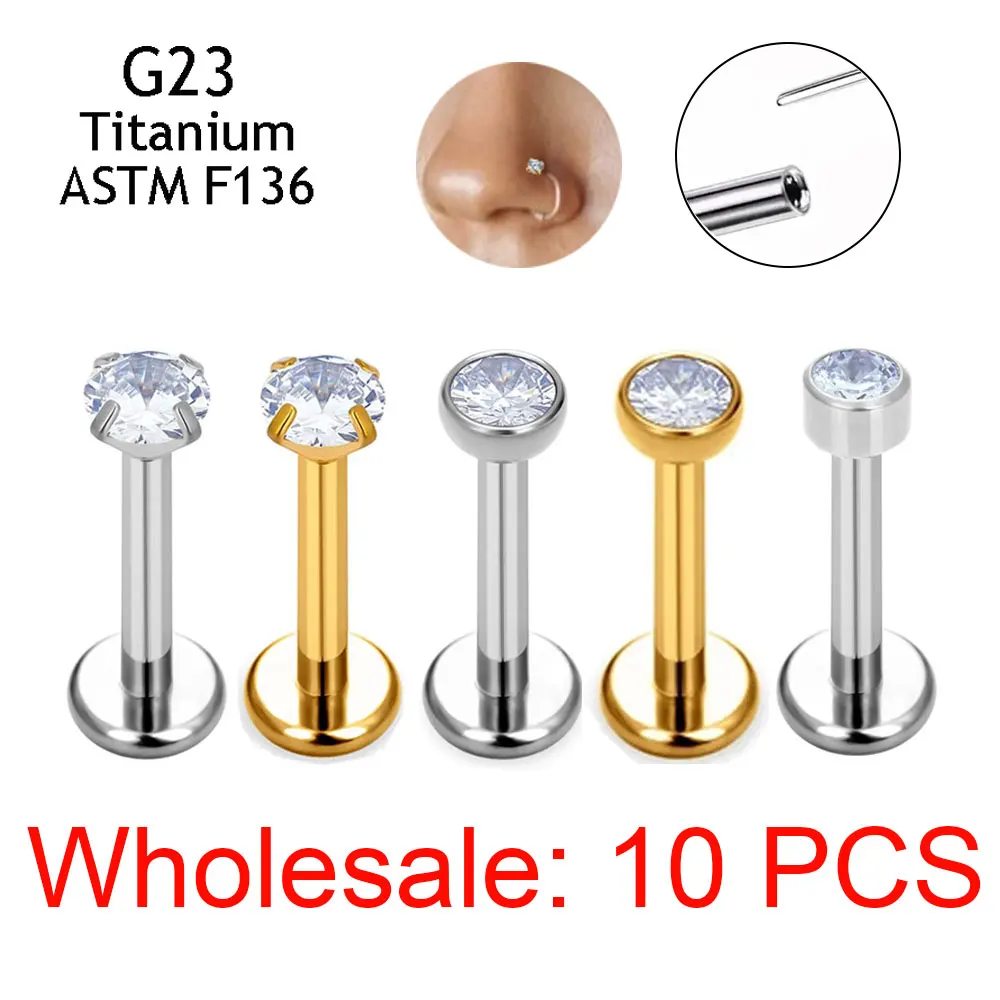
However, even though your nose piercing looks healed, the internal healing is still ongoing. The tissue inside the piercing channel continues to strengthen and mature. This is why using high-quality jewelry materials is crucial during this stage. At Multnomah Body Piercing, our team recommends titanium, solid gold, or surgical steel for the best healing outcomes.
- Week 4-5: Visible swelling gone, minimal discharge, piercing feels less tender
- Week 6-7: Jewelry can typically be changed, though internal healing continues
- Week 8: Most discomfort gone, but still within the active healing window
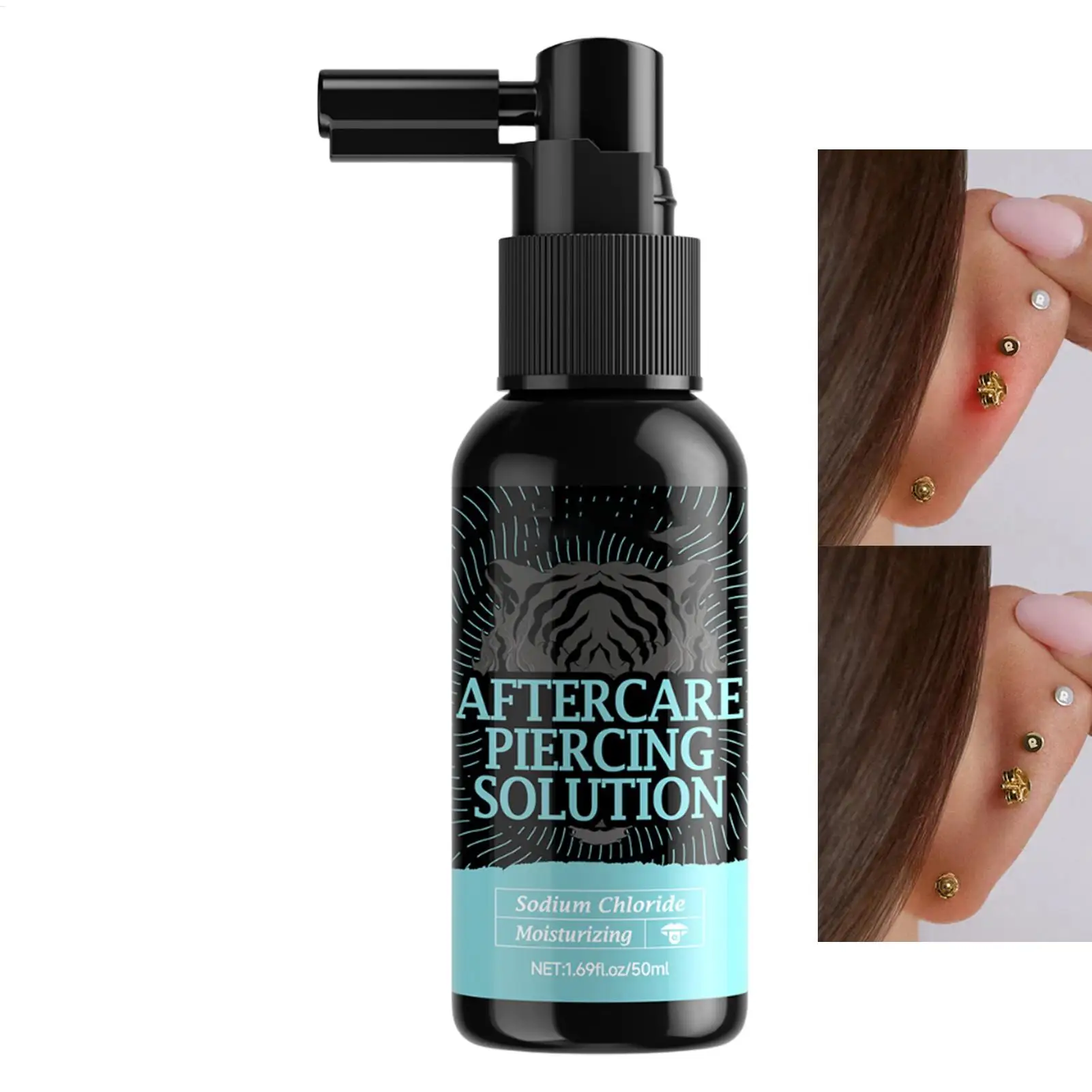
During this stage, continue your cleaning routine at least twice daily with saline solution. Avoid swimming, sleeping on the pierced side, and using makeup or skincare products directly on the piercing area.
Advanced Healing: Months 2-4 and Beyond
From 2 to 4 months onward, your nose piercing continues to develop its permanent structure. This extended healing timeline means that while you may feel comfortable wearing your jewelry and going about normal activities, the piercing is still technically maturing. Full maturation typically occurs around the 3 to 4-month mark for most people.
During this period, you might notice that if you go without jewelry for even a short time, the piercing can partially close. This is because the channel hasn't fully stabilized. By the 6-month mark, most piercings are stable enough that you can remove jewelry for short periods, though permanent closure is still possible during the first year.
Environmental factors influence how quickly your nose piercing reaches complete healing. People with slower immune systems, those who are pregnant or nursing, or anyone with certain health conditions may experience a longer healing timeline. Climate and humidity can also play a role—dry climates may require more frequent saline rinses.
What Full Healing Looks Like
True complete healing of a nose piercing occurs around 3 to 4 months for most people, with some piercings taking up to 6 months. At this point, the piercing channel has fully epithelialized (developed a stable skin lining), and you have much more flexibility with jewelry changes. The piercing no longer produces discharge, feels completely comfortable, and shows no signs of redness or sensitivity.
Factors That Affect Your Nose Piercing Healing Time
Individual healing times vary significantly based on multiple factors. Your age, overall health, immune system function, and lifestyle choices all influence how quickly your nose piercing heals. Younger people tend to heal faster, while older individuals might experience a slightly longer healing timeline.
Your aftercare routine is perhaps the single most important factor in determining healing speed. Consistent cleaning with sterile saline solution, avoiding unnecessary touching, and keeping the piercing dry accelerates healing. Conversely, poor aftercare, sleeping on the piercing, or using contaminated jewelry can extend the healing process or cause complications.
- Jewelry quality: High-quality materials heal faster than low-quality metals
- Piercing technique: Professional piercers create cleaner channels that heal better
- Aftercare consistency: Regular saline cleaning prevents complications
- Lifestyle factors: Smoking, excessive alcohol, and poor sleep slow healing
- Health conditions: Diabetes, autoimmune disorders, or skin conditions may extend healing
This is why choosing an experienced piercer matters tremendously. The professionals at Multnomah Body Piercing have been perfecting their craft since 1974 and understand how to perform piercings that heal optimally.
Common Healing Complications and When to Seek Help
While most nose piercings heal without major issues, some complications can extend the healing timeline or require professional attention. Infection, excessive keloid formation, and migration are among the most common problems. If you notice increasing redness, warmth, pus, or severe pain beyond the first few days, contact your piercer or a healthcare provider immediately.
Bumps that develop around your nose piercing—whether irritation bumps or keloids—often need professional attention. Multnomah Body Piercing staff can assess whether your piercing is experiencing a normal healing response or if intervention is needed. Most minor issues resolve with adjusted aftercare or a temporary jewelry change.
Rejection or migration, where your body slowly pushes the jewelry out or moves it to a different position, requires immediate professional evaluation. This is one situation where visiting an experienced piercer can make the difference between saving your piercing and losing it.
Your Nose Piercing Healing Journey Starts With the Right Piercer
Understanding your nose piercing's healing time and timeline helps you make informed decisions about aftercare and jewelry choices. From the first weeks through several months of complete healing, your commitment to proper care determines your success.
When you're ready to get your nose piercing or need professional guidance for an existing piercing, trust the expertise of Oregon's original piercing family. Visit Multnomah Body Piercing today and let our experienced team ensure your piercing heals beautifully and safely. We've been serving the Portland community since 1974, and we're ready to help you achieve the piercing of your dreams with professional care and proven techniques.
Frequently Asked Questions
how long does it take for a nose piercing to heal
Most nose piercings take 4-6 months to fully heal, though the initial healing phase is typically 2-3 weeks. The exact timeline depends on your aftercare routine and individual healing factors. Multnomah Body Piercing recommends following proper cleaning protocols throughout the entire healing period to avoid complications.
nose piercing healing time chart 2024 2025 2026
Nostril piercings typically heal in 4-6 months, while septum piercings take 6-8 months. Bridge piercings can take 8-12 months, and high nostril piercings may require 6-9 months. At Multnomah Body Piercing, our professionals provide personalized healing timelines based on your specific piercing location and type.
can i change my nose piercing after 2 weeks
It's not recommended to change your jewelry before 4-6 weeks minimum, as the piercing channel is still forming and vulnerable to irritation or infection. Changing jewelry too early can prolong healing or cause complications. The team at Multnomah Body Piercing suggests waiting until at least the initial healing phase is complete before switching jewelry.
how to know if nose piercing is healed
A healed nose piercing will have no discharge, minimal redness, and no pain when touched or manipulated. You should be able to change jewelry without discomfort, and any swelling will be completely gone. Multnomah Body Piercing recommends scheduling a follow-up if you're unsure whether your piercing has fully healed.
what not to do while nose piercing is healing
Avoid swimming, hot tubs, touching the piercing with unwashed hands, changing jewelry too early, and sleeping on that side. Don't use alcohol or hydrogen peroxide for cleaning, as these can damage healing tissue. Multnomah Body Piercing advises against high-impact activities and recommends sticking to saline solution for daily cleaning.
nose piercing smelly discharge normal healing 2026
Some clear or slightly yellowish discharge is normal during the first few weeks of healing, but a strong smell or greenish discharge may indicate infection. Mild odor from lymph and dead skin cells is expected, but you should consult a professional if it becomes foul-smelling. Contact Multnomah Body Piercing immediately if you suspect an infection or experience excessive discharge.