Nose Piercing Bump Treatment 2026: Complete Guide
Understanding Nose Piercing Bumps: What You Need to Know
A nose piercing bump is one of the most common complications that piercing enthusiasts encounter after getting their septum, nostril, or bridge pierced. These bumps typically appear weeks or months after the initial piercing and can be alarming if you don't know what causes them. The good news? Most nose piercing bumps are treatable with proper care and attention.
There are three primary types of bumps that can form around a nose piercing: hypertrophic scar tissue, keloids, and pustules caused by irritation. Understanding which type you have is the first step toward effective treatment. According to piercing professionals at established studios like Multnomah Body Piercing, Oregon's original piercing family since 1974, approximately 15-20% of clients experience some form of bump formation during the healing process.
Hypertrophic Scars vs. Keloids: The Critical Difference
The most important distinction you need to make is between a hypertrophic scar and a keloid. These two conditions look similar but require very different treatment approaches. A hypertrophic scar is an overgrowth of scar tissue that stays contained to the piercing area, while a keloid is an aggressive scar that extends beyond the original wound site.
Hypertrophic scars are the more common occurrence, affecting roughly 10-15% of people with nose piercing complications. They typically appear as a firm, raised bump on either side of the piercing hole and are usually red or pink. These bumps often improve with consistent treatment and rarely require medical intervention.
Keloids, on the other hand, are less common but more stubborn. They affect approximately 2-3% of the general population, with higher prevalence in individuals with darker skin tones. Keloids continue to grow beyond the original wound boundaries and rarely resolve on their own. If you suspect you have a keloid, consulting with a dermatologist alongside your piercer is essential. The experienced team at Multnomah Body Piercing can help you identify which condition you're dealing with and recommend appropriate next steps.
Common Causes of Nose Piercing Irritation and Bumps
Understanding what causes your nose piercing bump is crucial for preventing future complications. Several factors contribute to bump formation:
- Excessive cleaning and trauma: Over-cleaning your piercing or using harsh solutions causes tissue irritation and inflammation. Most professionals recommend salt water soaks 1-2 times daily, not more.
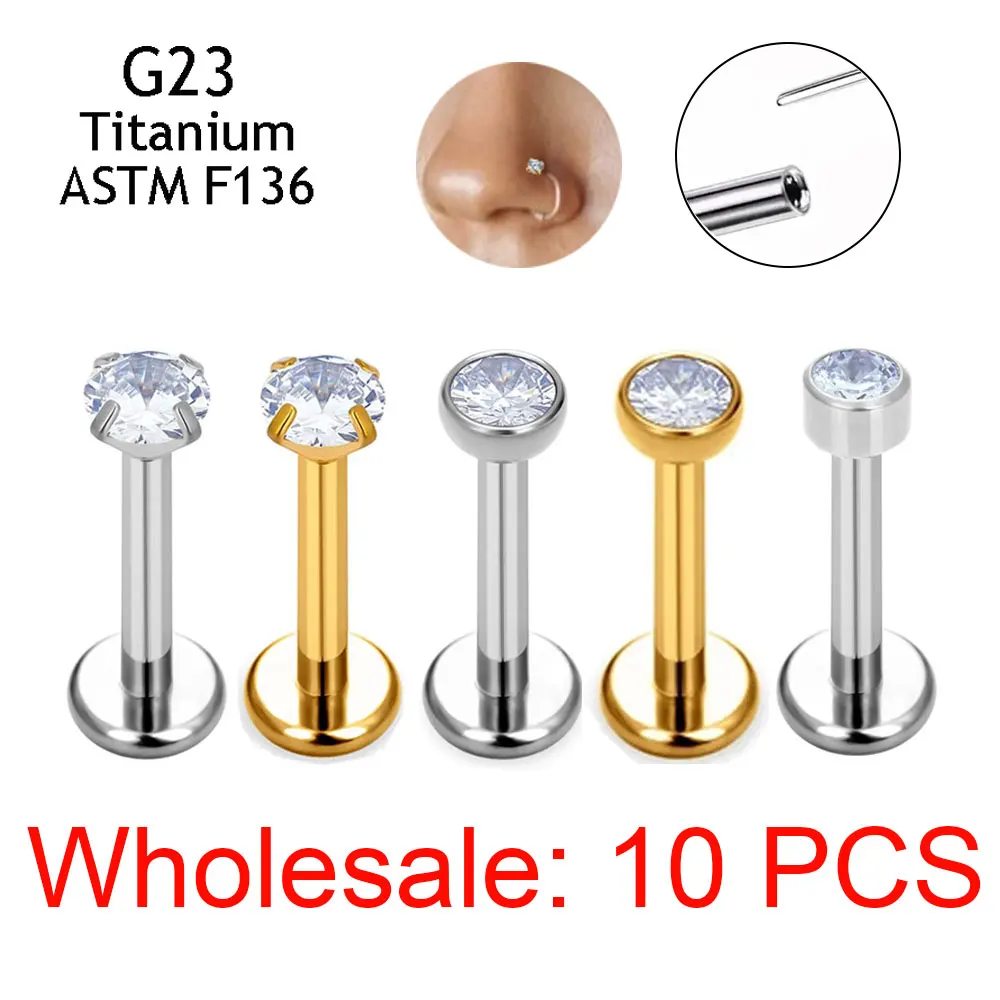
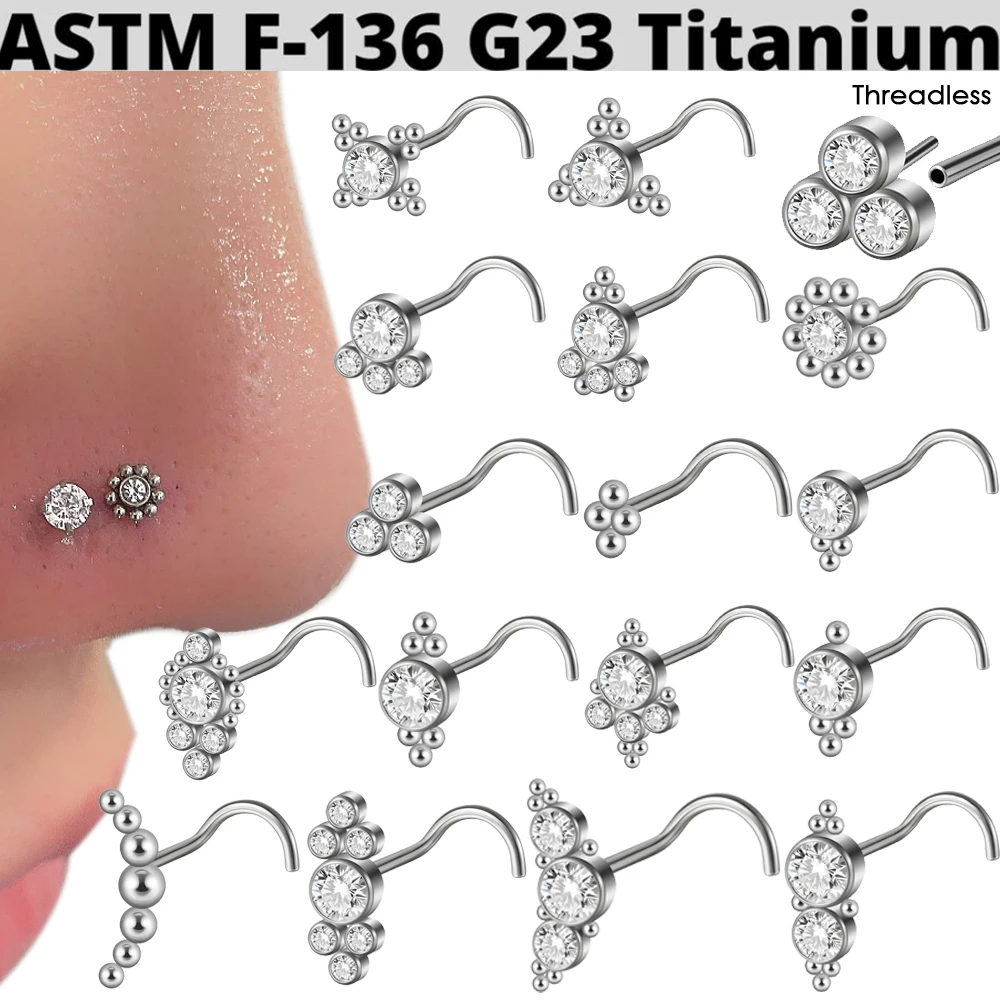
- Unsuitable jewelry material: Low-quality metals, nickel, or jewelry that's too tight can trigger allergic reactions and irritation. Stick with implant-grade titanium, solid gold (14k or higher), or surgical steel.
- Improper piercing angle: A nose piercing placed at an incorrect angle places constant stress on the tissue, leading to bump formation. This is why choosing an experienced piercer matters—Multnomah Body Piercing has been perfecting piercing techniques since 1974.
- Sleeping on the piercing: Sleeping on your side puts direct pressure on the piercing, causing chronic irritation and swelling.
- Jewelry movement and playing with the piercing: Constantly touching, rotating, or moving your jewelry prevents proper healing and increases inflammation.
- Incomplete healing: Changing jewelry too early or removing it before complete healing triggers the body's inflammatory response.
Proven Treatment Methods for Nose Piercing Bumps in 2026
If you're currently dealing with a nose piercing bump, several evidence-based treatment options have shown remarkable results when applied consistently.
Salt Water Soaks and Sea Salt Solutions
The most recommended first-line treatment for minor bumps is a sea salt soak. Mix 1/4 teaspoon of non-iodized sea salt with 8 ounces of warm water. Soak the area for 10-15 minutes, 1-2 times daily. This treatment reduces irritation and inflammation by drawing out excess fluid. Many clients report visible improvement within 2-3 weeks of consistent application.
Jewelry Evaluation and Changes
Your jewelry might be causing continued irritation. Ensure you're wearing appropriate materials and that the gauge isn't too tight. Consider switching to implant-grade titanium if you haven't already. Your piercer can assess whether your current jewelry is contributing to the problem. Multnomah Body Piercing offers professional jewelry consultations to help identify problematic pieces.
Topical Treatments
Several topical solutions have demonstrated effectiveness:
- Tea tree oil: Apply diluted tea tree oil (never undiluted) to reduce bacterial growth and irritation. Studies show results within 3-4 weeks for minor bumps.
- Silicone scar sheets: Applied directly over the bump for 12 hours daily, these hypoallergenic sheets help flatten scars and reduce irritation.
- Saline solutions specifically formulated for piercings: These are gentler than homemade salt water and less likely to cause additional irritation.
Professional Interventions
If home treatments don't produce results within 4-6 weeks, professional options include steroid injections administered by a dermatologist. These injections are particularly effective for hypertrophic scars and have a success rate of 60-70%. Surgical removal is a last resort for persistent bumps but may leave additional scarring.
Prevention Strategies for Long-Term Success
The best way to handle a nose piercing bump is to prevent one from forming in the first place. Follow these evidence-based prevention strategies:
- Choose an experienced, reputable piercer—established shops like Multnomah Body Piercing minimize angle-related complications
- Use only high-quality, appropriate jewelry from your first piercing onward
- Clean your piercing minimally with saline solution only
- Avoid sleeping on the side of your piercing
- Don't touch, rotate, or play with your jewelry
- Allow complete healing before any jewelry changes (typically 2-6 months for nose piercings)
- Stay consistent with gentle care practices throughout the entire healing process
When to Seek Professional Help for Your Nose Piercing
Certain situations warrant professional evaluation. Contact your piercer or dermatologist if your bump is growing despite treatment, if you experience fever or excessive drainage, or if the irritation spreads beyond the immediate piercing area. Additionally, if you suspect a keloid rather than a standard hypertrophic scar, professional assessment is important for appropriate treatment planning.
The team at Multnomah Body Piercing brings 50 years of expertise in diagnosing and addressing nose piercing complications. Whether you need jewelry evaluation, technique assessment, or simply professional guidance on your specific situation, their experienced piercers can provide valuable insights.
Don't let a nose piercing bump derail your enjoyment of your new piercing. With proper understanding of the causes, consistent application of proven treatments, and professional guidance when needed, most bumps resolve successfully. Contact Multnomah Body Piercing today to discuss your specific situation with Oregon's original piercing family—your nose piercing health is their priority.
Frequently Asked Questions
how to get rid of nose piercing bump
Nose piercing bumps are often keloids or hypertrophic scars caused by irritation or improper aftercare. The Multnomah Body Piercing team recommends using saline soaks 2-3 times daily, avoiding touching the piercing, and ensuring your jewelry is implant-grade titanium to prevent further irritation. If the bump persists after 2-3 weeks of proper care, consult with a professional piercer at Multnomah Body Piercing or a dermatologist.
nose piercing bump won't go away what to do
Stubborn nose piercing bumps may require professional intervention, including possible jewelry downsizing or repositioning by an experienced piercer like those at Multnomah Body Piercing. In some cases, dermatologists may recommend topical treatments like silicone gel, steroid creams, or laser therapy for persistent hypertrophic scars. Avoid at-home remedies like tea tree oil or hydrogen peroxide, as these can further irritate the piercing.
is my nose piercing bump normal after 2 weeks
Minor swelling and small bumps are common in the first 2-4 weeks of nose piercing healing. However, if the bump is growing, painful, or accompanied by discharge, contact Multnomah Body Piercing immediately to rule out infection or improper placement. Consistent saline rinses and avoiding movement of the jewelry will help minimize bump formation during this critical healing period.
nose piercing keloid bump treatment options 2026
Modern keloid treatment options include silicone compression, steroid injections, laser therapy, and cryotherapy, often requiring multiple sessions for best results. The piercing professionals at Multnomah Body Piercing can help you identify whether your bump is a keloid or hypertrophic scar and recommend working with a dermatologist for advanced treatments. Prevention through proper piercing technique, quality jewelry, and meticulous aftercare remains the most effective approach.
can saline solution really help nose piercing bumps
Yes, saline solution is clinically proven to reduce inflammation and promote healing of minor nose piercing bumps by keeping the area clean and moist. Multnomah Body Piercing recommends using sterile saline soaks (not homemade solutions) 2-3 times daily for best results on irritation bumps. For best effectiveness, ensure your jewelry isn't too tight and avoid rotating or moving the piercing during the healing process.
when should i see a doctor for nose piercing bump
Seek medical attention if your nose piercing bump is accompanied by excessive swelling, pus, warmth, fever, or severe pain—these may indicate infection. If a bump persists for more than 3 months despite proper care, consult both a dermatologist and the professionals at Multnomah Body Piercing to explore treatment options. Never attempt to remove a keloid bump yourself, as this can cause scarring and make the problem worse.