Hypoallergenic Piercing Options 2026: Metals and Styles
Understanding Hypoallergenic Piercing Materials: What You Need to Know
When it comes to body piercing, the material you choose matters far more than many people realize. A hypoallergenic piercing isn't just about comfort—it's about protecting your health and ensuring your piercing heals properly. At Multnomah Body Piercing, Oregon's original piercing family since 1974, we've witnessed firsthand how the right metal choice can make the difference between a successful piercing and months of frustration.
Hypoallergenic simply means the material has a minimal likelihood of causing an allergic reaction. However, it's important to understand that no metal is truly 100% hypoallergenic—some people may react to any material. That said, certain metals are scientifically proven to be safer choices for fresh piercings and sensitive skin. Approximately 10-15% of the population has a nickel allergy, making metal selection crucial for safe piercing experiences.
Titanium: The Gold Standard for Safe Piercings
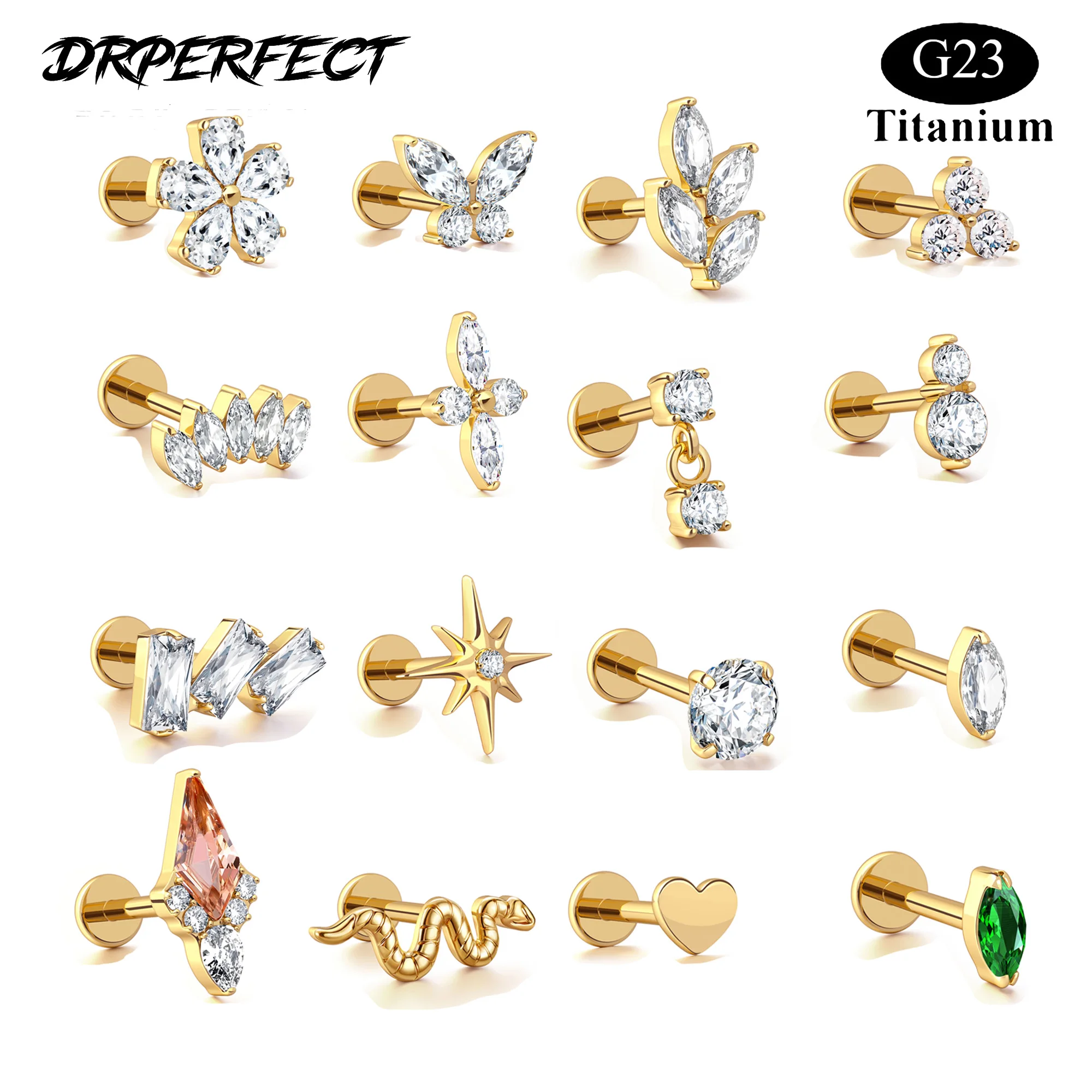
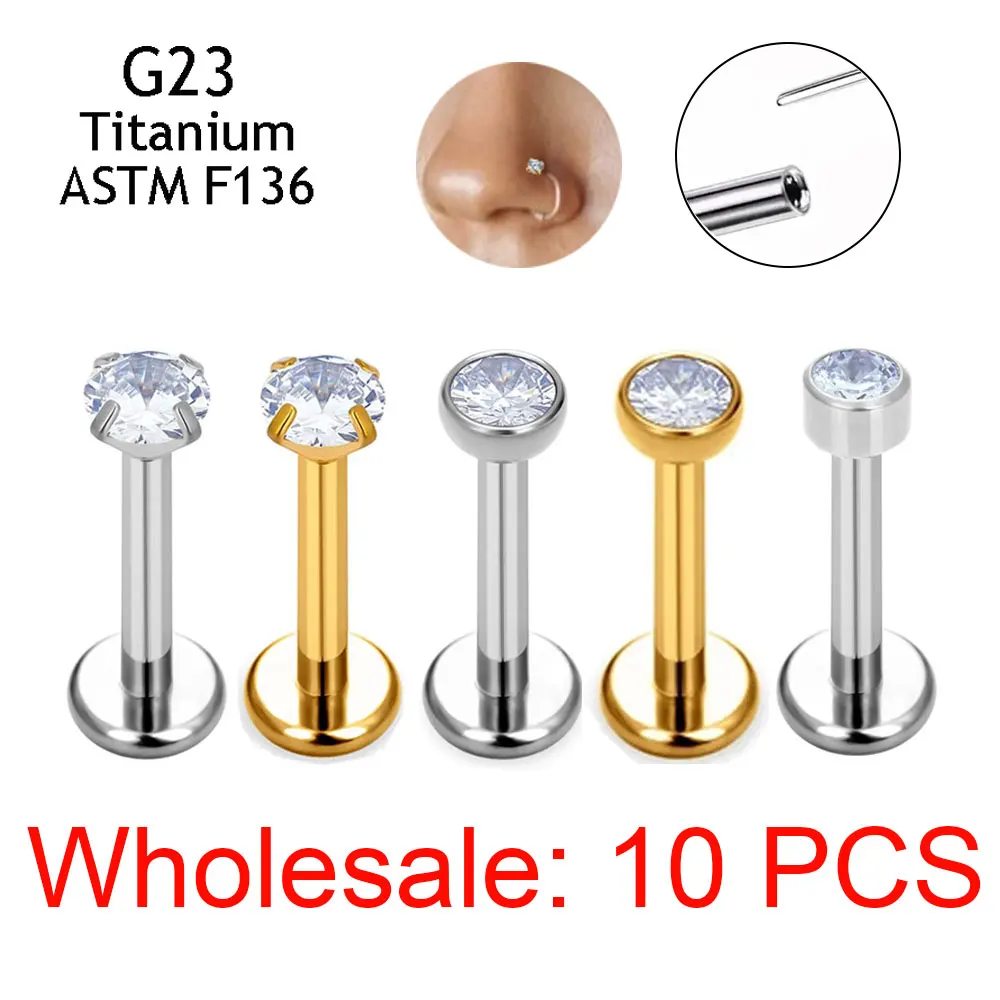
When discussing hypoallergenic piercing options, titanium consistently ranks as the safest choice. Implant-grade titanium (Ti-6Al-4V ELI), specifically ASTM F136 certified, is a biocompatible metal that the medical industry has used in surgical implants for decades. This same material is what responsible piercing studios use for initial piercings.
Titanium offers several distinct advantages:
- Nickel-free composition: Unlike many other metals, titanium contains no nickel, eliminating the most common cause of piercing allergies
- Lightweight design: Titanium is significantly lighter than steel, reducing stress on fresh piercings during healing
- Durability: Despite being lighter, titanium resists corrosion and maintains its integrity for years
- Versatility: Available in numerous styles, colors, and designs suitable for any aesthetic preference
The investment in titanium jewelry is worthwhile. While titanium pieces typically cost $40-$150 for initial piercing jewelry—more than lower-quality alternatives—the reduced risk of infection and allergic reactions makes it economically sensible. Your health is worth the investment, and studios like Multnomah Body Piercing prioritize quality materials specifically because they reduce complications.
Niobium: An Excellent Alternative for Sensitive Skin
If titanium isn't accessible or you're exploring alternatives, niobium deserves serious consideration. This lesser-known metal shares many properties with titanium and is equally safe for hypoallergenic piercing applications. Niobium is hypoallergenic, nickel-free, and biocompatible, making it ideal for people with sensitive skin or multiple metal sensitivities.
What sets niobium apart is its unique properties:
- Anodizing capability: Niobium can be anodized to create vibrant colors without coatings or plating, ensuring color permanence
- Slightly denser than titanium: For some people, the additional weight provides a comfortable feel
- Cost-effective: Generally $10-$20 cheaper than comparable titanium pieces
- Body compatibility: Used medically in pacemakers and other surgical applications
Many piercing professionals recommend niobium specifically for clients with documented nickel allergies or those experiencing reactions to traditional materials. Multnomah Body Piercing stocks niobium options for clients seeking premium hypoallergenic alternatives beyond titanium.
Metals to Avoid: Why Surgical Steel and Other Options Fail
Despite its misleading name, "surgical steel" is not automatically hypoallergenic. Standard surgical steel typically contains between 8-12% nickel, the primary culprit behind allergic reactions. The term "surgical" refers only to sterilization capability, not biocompatibility for body jewelry.
Additional materials to avoid for fresh or sensitive piercings include:
- Standard stainless steel: Inconsistent composition with variable nickel content
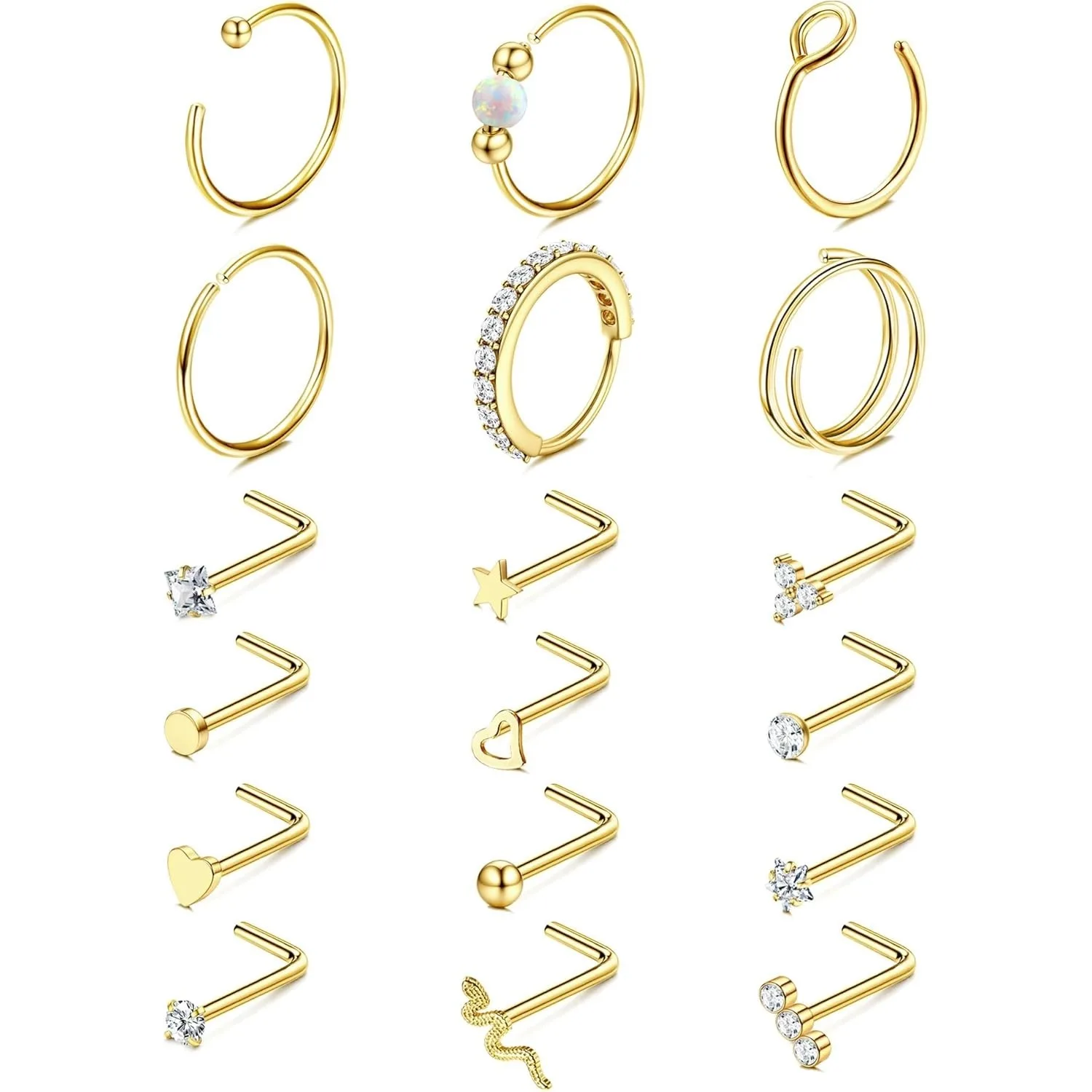
- Gold-plated jewelry: The base metal often contains nickel, and plating wears away, exposing the allergen
- Acrylic or plastic: While hypoallergenic, these materials harbor bacteria and shouldn't contact fresh piercings
- Unknown or unlabeled metals: If composition isn't clearly documented, assume it contains nickel
The difference between quality piercing studios and unreliable ones often comes down to material standards. Established shops that have maintained reputations over decades—like Multnomah Body Piercing, operating since 1974—use only documented, biocompatible materials because their reputation depends on client safety and satisfaction.
Piercing Styles and Designs for Sensitive Skin
Beyond material selection, certain piercing styles and designs work better for hypoallergenic applications. Seamless or continuous rings, internally threaded jewelry, and implant-grade materials combine to create the safest piercing experience possible.
Internally threaded jewelry (where the threading is inside the jewelry rather than on the post) prevents irritation during insertion and reduces micro-abrasions to healing tissue. Fresh piercings heal approximately 6-12 weeks faster when using internally threaded jewelry compared to externally threaded options.
Recommended styles for sensitive piercings include:
- Titanium captive bead rings with smooth, polished surfaces
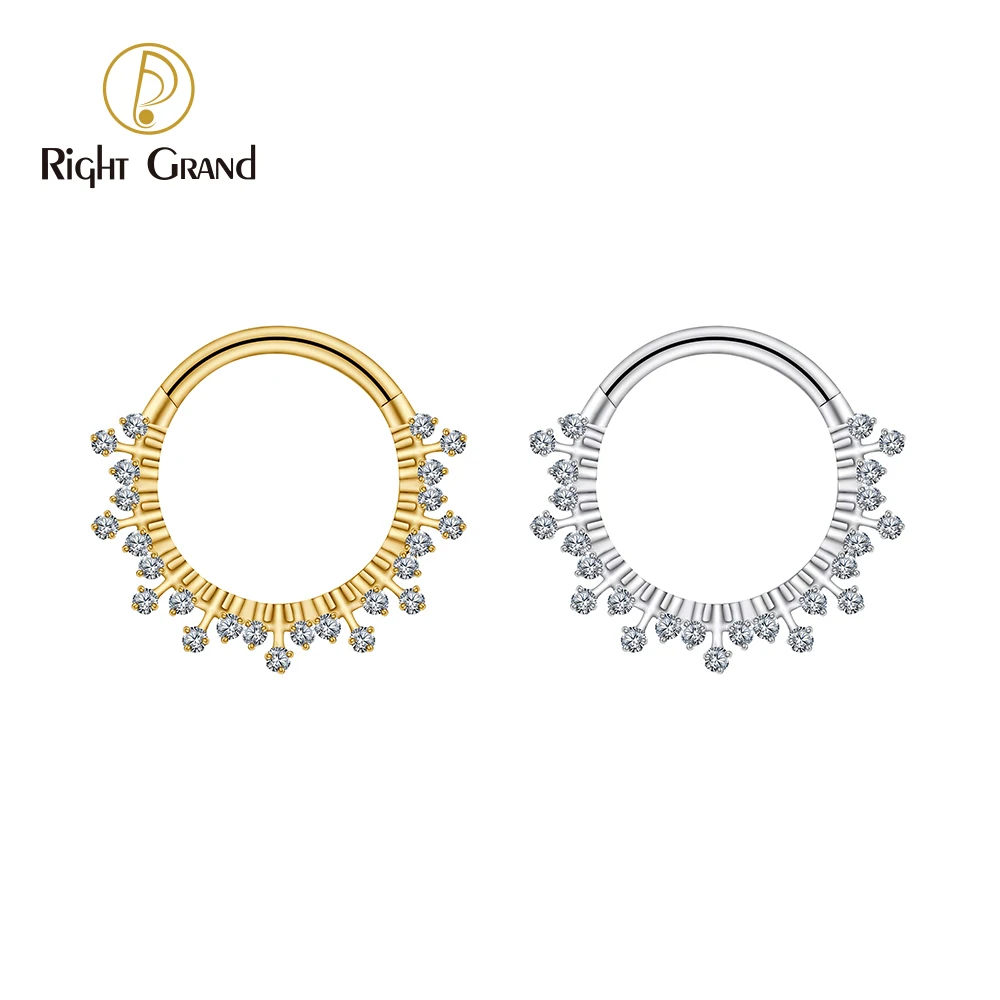
- Niobium hoops with internally threaded or seamless designs
- Threadless or push-fit titanium jewelry for minimal manipulation during healing
- Implant-grade titanium barbells with polished ends to prevent tissue irritation
Best Practices for Hypoallergenic Piercing Aftercare
Choosing hypoallergenic materials is only half the equation. Proper aftercare ensures your investment protects your health effectively. Even with titanium or niobium jewelry, improper care can lead to complications.
Clean your fresh piercing 2-3 times daily using sterile saline solution—the same solution hospitals use for wound care. Avoid touching the piercing unnecessarily, sleeping on fresh piercings, or submerging them in pools, hot tubs, or natural water sources until fully healed. Avoid rotating jewelry during healing, contrary to outdated guidance.
When changing jewelry after complete healing, maintain the hypoallergenic standard by choosing only implant-grade titanium, niobium, or solid gold (14k or higher). The professionals at Multnomah Body Piercing can recommend specific aftercare protocols and jewelry materials based on your individual skin sensitivity and piercing location.
Making Your Hypoallergenic Piercing Choice in 2026
Selecting hypoallergenic piercing materials demonstrates a commitment to your health and long-term satisfaction. Whether you're considering your first piercing or adding to an existing collection, prioritize implant-grade titanium or niobium jewelry from reputable piercing studios.
The piercing industry continues evolving, with new biocompatible materials and improved techniques emerging regularly. However, established standards for hypoallergenic materials remain consistent: nickel-free, medically biocompatible, and properly certified.
Your body deserves professional care from studios with proven track records. Visit Multnomah Body Piercing today to discuss your specific needs with Oregon's most experienced piercing professionals. With over five decades of expertise, our team will help you select the perfect hypoallergenic materials and styles for your unique anatomy and lifestyle. Schedule your consultation and experience the Multnomah difference—where quality, safety, and artistry have been our commitment since 1974.
Frequently Asked Questions
what metals are hypoallergenic for piercings
Titanium, niobium, and solid gold (14k or higher) are the most hypoallergenic metals for piercings, as they resist corrosion and minimize allergic reactions. Multnomah Body Piercing carries high-quality hypoallergenic jewelry options that are safe for sensitive skin and newly pierced ears.
is surgical steel hypoallergenic for body piercings
Surgical steel can contain nickel, which causes allergic reactions in many people, so it's not reliably hypoallergenic. For truly hypoallergenic piercings, Multnomah Body Piercing recommends implant-grade titanium or solid gold instead of surgical steel.
best hypoallergenic piercing jewelry styles 2026
Popular hypoallergenic styles in 2026 include threadless/push-fit titanium pieces, minimalist gold studs, and lightweight niobium hoops that reduce irritation. Multnomah Body Piercing offers contemporary designs in these hypoallergenic materials to suit any aesthetic preference.
can i wear implant grade titanium if i have sensitive skin
Yes, implant-grade titanium (ASTM F136) is one of the safest choices for sensitive skin and is biocompatible with the body. Multnomah Body Piercing specializes in titanium jewelry that's ideal for clients with metal allergies or sensitive piercings.
what piercing metals should i avoid if im allergic to nickel
Avoid surgical steel, stainless steel, white gold, and plated jewelry, as these often contain nickel or can wear away to expose nickel underneath. Stick with implant-grade titanium, solid gold (14k+), or niobium, all available at Multnomah Body Piercing.
how much does hypoallergenic piercing jewelry cost
Hypoallergenic titanium jewelry typically ranges from $30–$80 per piece, while solid gold options cost $100–$300+ depending on design and weight. Multnomah Body Piercing offers competitive pricing on premium hypoallergenic materials without compromising on quality or safety.