- How do I know if my piercing is healed?
- To determine if your piercing is fully healed, look for no redness around the piercing site, no pain and no discharge. The jewelry should fit comfortably without any pressure or tightness.
- What's the fastest healing piercing?
- The septum piercing typically heals the quickest with a timeframe of 6-8 weeks, provided it is cared for correctly.
- Can I change jewelry before it’s healed?
- No, you should not change jewelry until your piercing is fully healed to avoid infection and prevent the risk of damage to the tissue.
- Why is my healed piercing still tender?
- Sometimes mild tenderness can persist for a few months after healing. However, if it’s persistent or painful, see a piercer as soon as possible to ensure there are no complications.
- Does saline speed up healing?
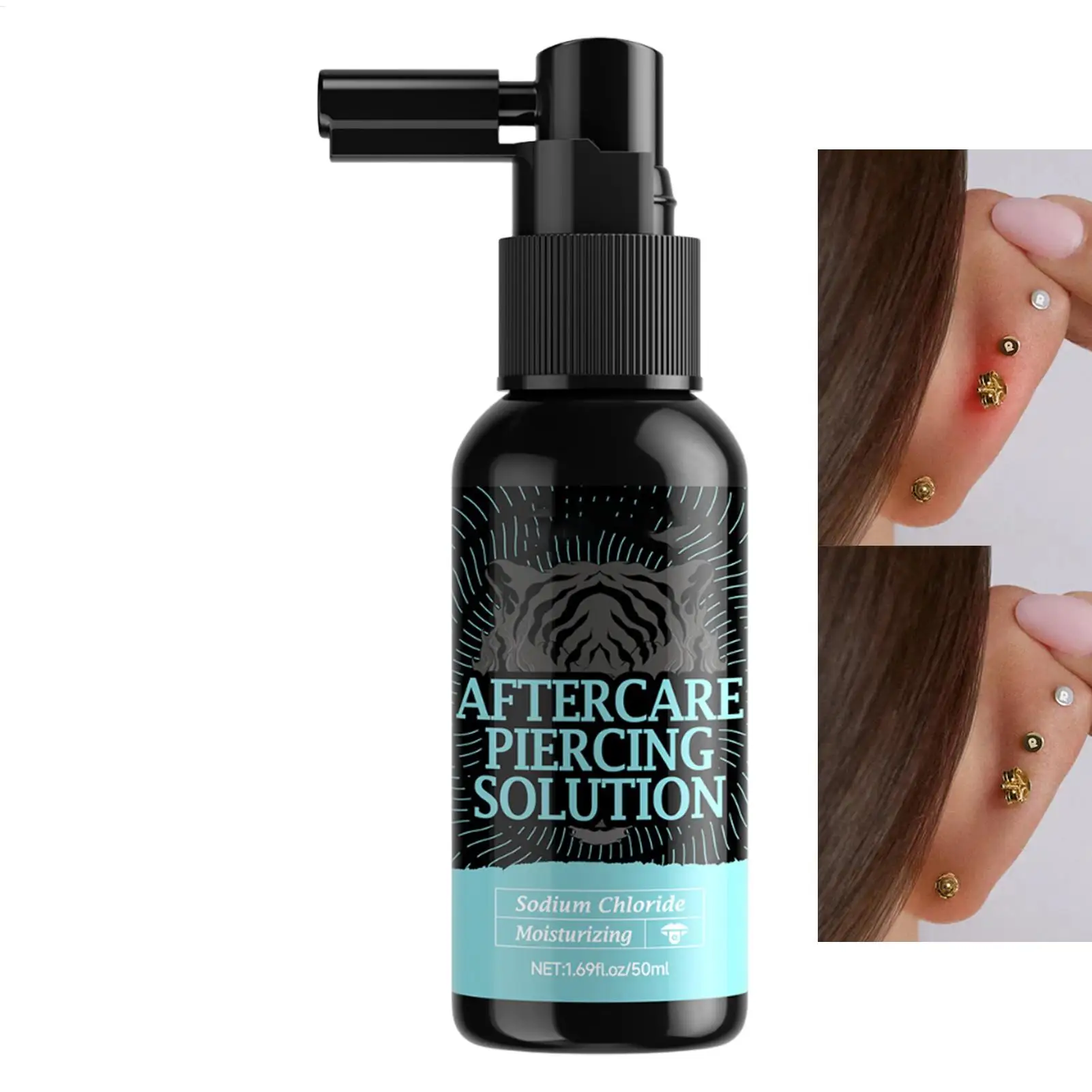
- No specific evidence supports the use of saline solutions for speeding up piercing healing, but LITHA protocol includes using saline to keep the area moist and prevent infection. Consult your piercer about their recommended aftercare regimen.
- Can I swim during healing?
- It is generally advised not to swim or submerge your piercing in water until it has fully healed (at least 6-12 months, depending on type). This helps reduce the risk of infection and keeps the area dry.
- What if my healing piercing gets bumped?
- If a bump occurs, apply ice for 10 minutes, then give your body time to rest. If it doesn’t resolve or worsens, consult your piercer as some injuries may require professional intervention.
- When should I see a professional piercer?
- See a professional piercer if you experience pain that does not subside over several days, signs of infection such as redness, swelling, discharge, or fever. Additionally, for any concern about healing progress, contact your piercer for advice.
- To determine if your piercing is fully healed, look for no redness around the piercing site, no pain and no discharge. The jewelry should fit comfortably without any pressure or tightness.
- The septum piercing typically heals the quickest with a timeframe of 6-8 weeks, provided it is cared for correctly.
- No, you should not change jewelry until your piercing is fully healed to avoid infection and prevent the risk of damage to the tissue.
- Sometimes mild tenderness can persist for a few months after healing. However, if it’s persistent or painful, see a piercer as soon as possible to ensure there are no complications.
- No specific evidence supports the use of saline solutions for speeding up piercing healing, but LITHA protocol includes using saline to keep the area moist and prevent infection. Consult your piercer about their recommended aftercare regimen.
- It is generally advised not to swim or submerge your piercing in water until it has fully healed (at least 6-12 months, depending on type). This helps reduce the risk of infection and keeps the area dry.
- If a bump occurs, apply ice for 10 minutes, then give your body time to rest. If it doesn’t resolve or worsens, consult your piercer as some injuries may require professional intervention.
- See a professional piercer if you experience pain that does not subside over several days, signs of infection such as redness, swelling, discharge, or fever. Additionally, for any concern about healing progress, contact your piercer for advice.
Shop Piercing Jewelry