How Long Do Ear Piercings Take to Heal? Complete 2026 Guide
The Healing Process for Ear Piercings: What You Need to Know
Ear piercing is one of the most popular forms of body modification, with millions of people choosing to get their ears pierced each year. However, many individuals are unsure about the healing process and how long it takes for their ear piercings to fully heal. At Multnomah Body Piercing, Oregon's Original Piercing Family — Est. 1974 — we understand the importance of proper healing and aftercare when it comes to maintaining healthy, infection-free piercings.
The healing time for ear piercings can vary depending on several factors, including the type of piercing, individual healing rates, and how well the piercing is cared for. On average, most ear piercings take between 6 to 12 weeks to heal completely. However, some piercings, such as cartilage piercings, may take longer — up to 6 months or even a year in some cases.
It's important to remember that healing is not always linear, and some people may experience slower healing due to factors like poor nutrition, stress, or underlying health conditions. Proper aftercare is essential to ensure that the piercing heals correctly and to minimize the risk of complications such as infections or keloids.
Factors That Affect Ear Piercing Healing Time
Several factors can influence how long an ear piercing takes to heal. Understanding these factors can help you manage your expectations and take the necessary steps to promote healing.
- Type of piercing: Surface piercings and cartilage piercings typically take longer to heal than standard lobe piercings. For example, a standard lobe piercing may heal in 6 to 8 weeks, while a cartilage piercing can take 6 months or more.
- Individual healing rate: Everyone’s body heals at a different pace. Some people may experience faster healing due to good circulation and a healthy immune system, while others may take longer.
- Aftercare: Proper aftercare is one of the most important factors in determining healing time. Failing to clean the piercing regularly or using improper products can lead to infections and delayed healing.
- Location of the piercing: Piercings in areas with more movement or friction, such as the earlobe, may heal more quickly than those in less active areas like the helix or tragus.
At Multnomah Body Piercing, our experienced piercers take the time to explain these factors to each client, ensuring they understand what to expect during the healing process. We also provide personalized aftercare instructions to help their piercing heal as quickly and safely as possible.
Proper Aftercare for Ear Piercings
Aftercare is a crucial part of the healing process for any piercing, and ear piercings are no exception. Proper aftercare can help prevent infections, reduce swelling, and promote faster healing. Here are some essential aftercare tips to follow:
- Keep the piercing clean: Clean the piercing with a saline solution or a mild, fragrance-free soap. Avoid using alcohol or hydrogen peroxide, as these can be harsh on the skin and delay healing.
- Wash your hands before touching the piercing: Always wash your hands thoroughly with soap and water before touching the piercing to avoid introducing bacteria.
- Avoid excessive movement: Try not to touch or twist the jewelry too much, as this can cause irritation and prolong healing.
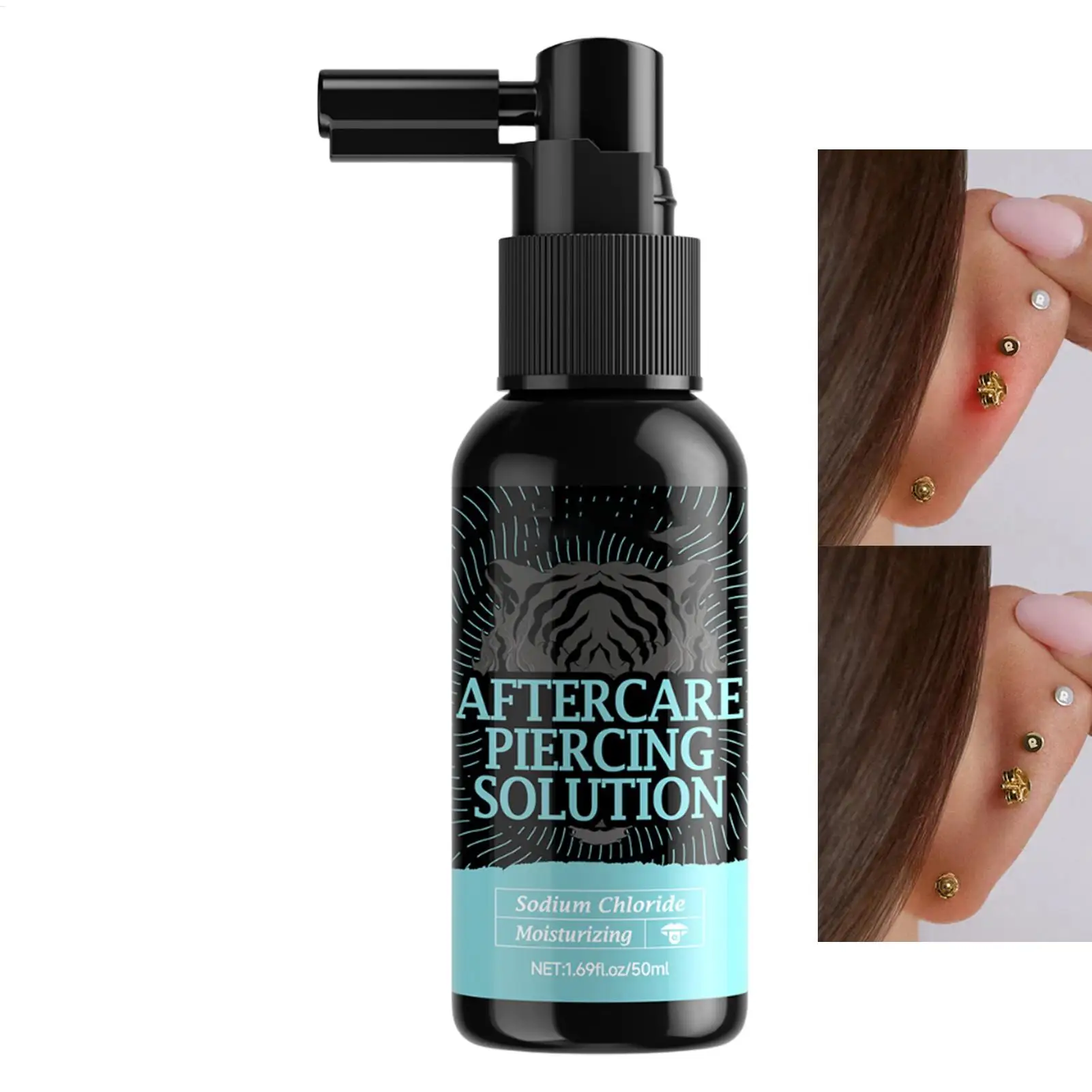
- Use a saline spray: Saline sprays are a great option for cleaning the piercing and keeping it moist, which can help reduce dryness and irritation.
- Avoid swimming pools and hot tubs: These environments can be breeding grounds for bacteria, so it's best to avoid them until the piercing has fully healed.
At Multnomah Body Piercing, we provide our clients with detailed aftercare instructions and recommend using our in-house saline solution for optimal healing. Our team is always available to answer any questions and provide support throughout the healing process.
Common Issues During Healing and How to Address Them
During the healing process, it's not uncommon to experience some discomfort, redness, or swelling. However, if you notice signs of infection — such as excessive pain, pus, or a foul odor — it's important to seek professional help immediately.
Some common issues that can occur during healing include:
- Crusting: It's normal to see some crusting around the piercing site during the first few weeks. Gently clean the area with saline solution to remove the crust without causing irritation.
- Swelling: Mild swelling is a normal part of the healing process. Applying a cold compress can help reduce swelling and discomfort.
- Itching: Itching is a sign that the body is healing, but it's important not to scratch or rub the area, as this can cause irritation and increase the risk of infection.
- Delayed healing: If the piercing is not healing as expected, it's important to consult a professional. At Multnomah Body Piercing, we offer follow-up consultations to ensure that your piercing is on track for a full and healthy recovery.
By being aware of these common issues and knowing how to address them, you can help ensure that your ear piercing heals properly and without complications.
When to Seek Professional Help
While most ear piercings heal without complications, there are certain signs that indicate you should seek professional help. These include:
- Excessive pain or swelling that doesn't improve after a few days
- Signs of infection, such as pus, redness, or a foul odor
- Severe itching or a rash around the piercing site
- Difficulty keeping the jewelry in place or excessive bleeding
If you experience any of these symptoms, it's important to contact a professional piercer or a healthcare provider as soon as possible. At Multnomah Body Piercing, our team is trained to handle a wide range of piercing-related issues and can provide the necessary support to help you recover safely.
Remember, proper aftercare and timely intervention can make all the difference in the healing process. Whether you're a first-time piercer or a seasoned enthusiast, taking the time to care for your piercing is essential for long-term health and satisfaction.
Conclusion: Take Care of Your Piercing with Multnomah Body Piercing
Ear piercings can be a beautiful and personal form of self-expression, but they require proper care and attention to ensure a smooth healing process. At Multnomah Body Piercing, we are committed to providing high-quality piercings, expert advice, and personalized aftercare to help our clients achieve the best possible results.
If you're considering getting your ears pierced or are currently in the healing process, we encourage you to reach out to Multnomah Body Piercing for guidance and support. Our experienced team is here to help you every step of the way, from the initial piercing to full healing and beyond.
Visit us today and let us help you achieve the healthy, beautiful piercing you deserve.
Frequently Asked Questions
How long do ear piercings take to heal?
Ear piercings typically take about 6-8 weeks to fully heal, but this can vary depending on the individual and the piercing location. Multnomah Body Piercing ensures clean and sterile practices to promote quick healing.