Baby Ear Piercing Portland Oregon: Age and Safety Guide
Baby Ear Piercing in Portland, Oregon: What Parents Need to Know
When it comes to piercing your baby's ears, parents in Portland, Oregon have more information and resources available than ever before. As one of the most common procedures performed on infants and young children, ear piercing is a significant decision that deserves careful consideration. Understanding the right age, safety protocols, and aftercare is essential for ensuring a positive experience for both you and your child. This guide covers everything you need to know about baby ear piercing in Portland, Oregon, from medical recommendations to professional standards that protect your child's health.
The Right Age for Baby Ear Piercing: What Pediatricians Recommend
The American Academy of Pediatrics (AAP) doesn't specify a particular age for ear piercing, but many pediatricians recommend waiting until a child is at least 6 months old. Some professionals suggest waiting even longer—until your baby is 12 months old or older—when their immune system is more developed and they can better tolerate the procedure and healing process.
The reason pediatricians emphasize age considerations is straightforward: younger babies have developing immune systems that may be more susceptible to infection. A baby who is 6-12 months old has received their initial round of vaccinations, including tetanus protection, which provides important safeguards during the healing process.
Many parents in Portland, Oregon choose to wait until their child is a toddler or preschooler, sometimes between ages 2-4. At this age, children can better understand what's happening and can follow basic aftercare instructions. However, the decision ultimately depends on your family's preferences, cultural traditions, and your child's individual health profile. Consulting with your pediatrician before scheduling your baby's ear piercing is always recommended.
Safety Standards and Professional Piercing Equipment in Portland
When you decide to pierce your baby's ears, choosing a professional piercer who follows strict safety standards is non-negotiable. Portland has several reputable piercing establishments, and Multnomah Body Piercing, Oregon's original piercing family established in 1974, sets the gold standard for safety and professionalism in the region.
Professional piercers use sterile, single-use needles or specialized piercing guns that are thoroughly sterilized between each client. Here's what you should look for:
- Autoclaved equipment: All reusable instruments should be sterilized in an autoclave, a device that uses steam under pressure to eliminate all microorganisms. This is the gold standard in infection prevention.
- Single-use needles: Professional piercers use sterile needles that come sealed in individual packages and are used only once before disposal.
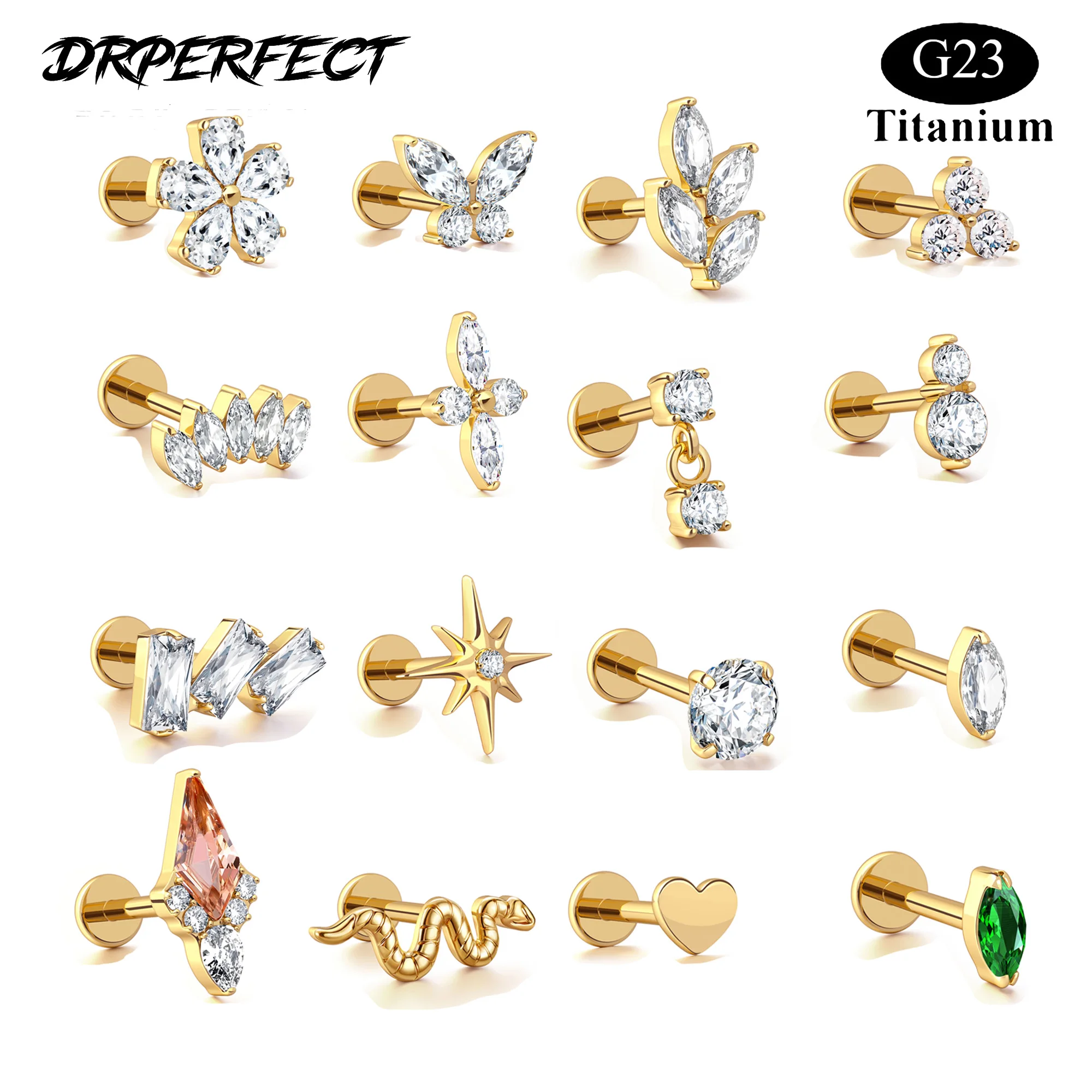
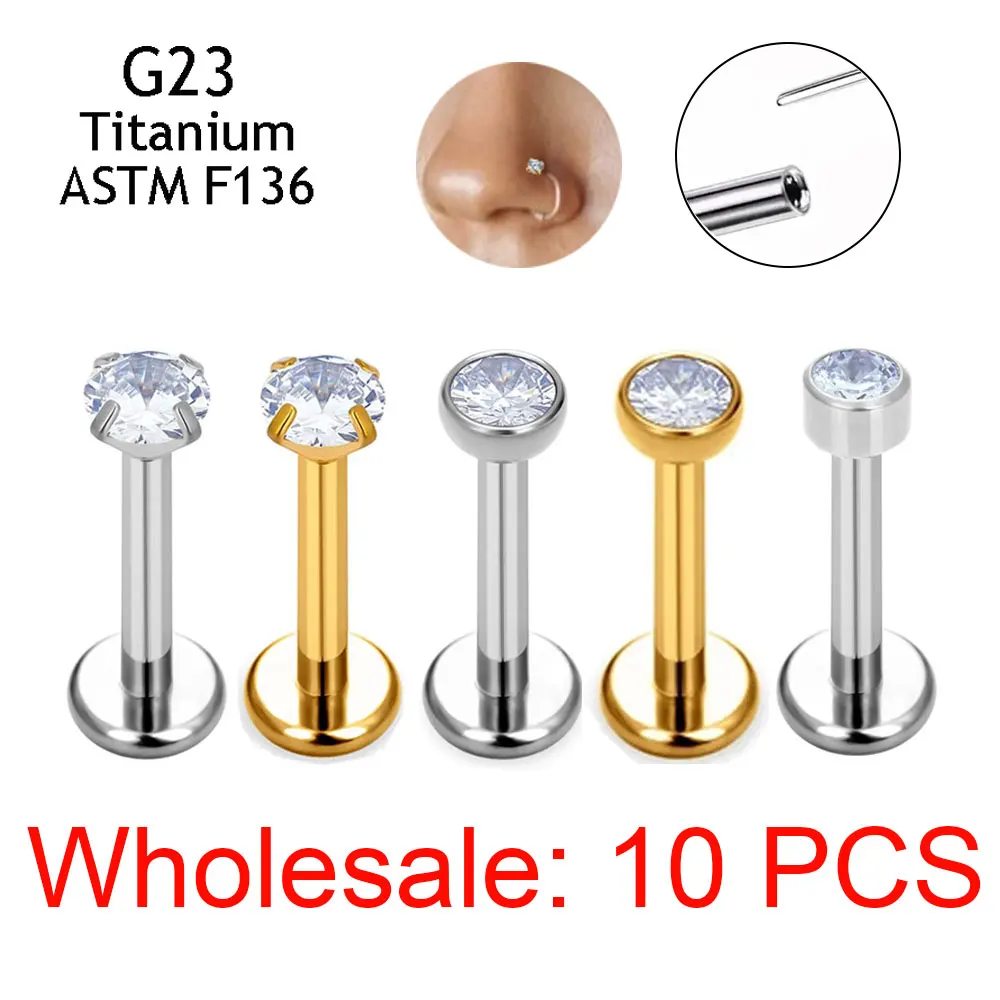
- Hypoallergenic jewelry: Initial piercing jewelry should be made from surgical stainless steel, titanium, or solid gold (14k or higher) to minimize allergic reactions.
- Clean environment: The piercing studio should maintain high cleanliness standards with proper handwashing and sanitization protocols.
- Licensed professionals: Look for piercers who are trained, experienced, and follow industry guidelines set by organizations like the Association of Professional Piercers (APP).
At Multnomah Body Piercing, the team understands the specific concerns parents have when bringing their babies in for ear piercing. With decades of experience since 1974, they've developed protocols specifically designed for pediatric clients.
Avoiding Risks: Why You Should Skip Mall Piercing Guns
Many parents in Portland, Oregon consider getting their baby's ears pierced at retail locations using piercing guns. However, professional piercers and pediatricians strongly advise against this approach. Here's why:
Piercing guns cannot be adequately sterilized. These devices have small crevices and springs that harbor bacteria even after cleaning. The CDC has documented cases of infection, including hepatitis B and C transmission, linked to non-sterile piercing equipment. The gun mechanism also uses blunt force to create the hole, which can cause trauma to the ear tissue and lead to increased pain, bleeding, and slower healing.
Professional needle piercings create a clean hole with a hollow needle, resulting in less tissue damage and faster healing times. Studies show that professionally done piercings have significantly lower infection rates compared to piercing gun procedures. For your baby's health and safety, choosing a professional piercer like those at Multnomah Body Piercing is the clear choice.
Aftercare Instructions for Your Baby's Newly Pierced Ears
Proper aftercare is absolutely critical for preventing infection and ensuring successful healing. The healing time for ear piercings is typically 6-8 weeks for the outer ear, though complete healing can take 12 weeks or longer.
Daily cleaning routine:
- Wash your hands thoroughly before touching the piercing site
- Clean the piercing with a sterile saline solution (0.9% sodium chloride) twice daily
- Use a clean paper towel or sterile gauze to gently dry the area
- Avoid touching or twisting the jewelry, as this can irritate healing tissue
- Keep hair away from the piercing site
- Ensure your baby wears clean clothing and hats to prevent dirt exposure
What to avoid during healing:
- Don't remove the jewelry prematurely—this can allow the hole to close
- Avoid swimming pools, hot tubs, and natural water sources until fully healed
- Don't use alcohol or hydrogen peroxide, which can damage healing tissue
- Avoid rotating or playing with the earrings
- Skip activities that could cause trauma to the ears
If you notice signs of infection—including excessive redness, swelling, warmth, pus, or foul odor—contact your pediatrician immediately. Multnomah Body Piercing provides detailed aftercare instructions specific to your baby's piercing and can answer questions throughout the healing process.
Signs of Complications and When to Seek Medical Attention
While complications are relatively rare with professional piercing, it's important to recognize warning signs. Contact your pediatrician if your baby shows:
- Fever or systemic illness symptoms following the piercing
- Excessive discharge or pus from the piercing site
- Persistent redness or swelling after the first week
- Allergic reactions such as hives or severe itching
- Keloid formation (abnormal scar tissue growth)
- The earring becoming embedded in the tissue
These complications are much less likely when you choose a professional piercer who uses proper techniques and sterile equipment. The expertise available at established Portland piercing studios helps prevent these issues entirely.
Choosing a Professional Piercer in Portland, Oregon
Portland has several options for professional piercing services, but experience and reputation matter tremendously when it comes to your baby's safety. Multnomah Body Piercing represents nearly 50 years of family tradition and professional excellence in the piercing industry. Their longevity since 1974 reflects their commitment to safety, quality, and customer care.
When selecting a piercer, ask about their experience with pediatric clients, their sterilization procedures, and their jewelry options. Don't hesitate to request references or to tour the facility before your appointment. A reputable piercer will welcome your questions and help you feel completely confident in your decision.
Ready to get your baby's ears pierced safely and professionally? Contact Multnomah Body Piercing today to schedule a consultation and experience the trusted expertise of Oregon's original piercing family. Your baby deserves the best care, and we're here to make the process comfortable, safe, and memorable for your family.
Frequently Asked Questions
what is the legal age for ear piercing in portland oregon
In Oregon, children can have their ears pierced at any age with parental consent, though most professional piercers including Multnomah Body Piercing recommend waiting until at least 8-10 weeks old when the immune system is more developed. There is no specific legal age requirement, making parental choice the primary factor.
is it safe to pierce a baby's ears
Baby ear piercing can be safe when performed by a professional piercer using sterile equipment and proper technique, as offered at Multnomah Body Piercing. The main risks include infection, allergic reactions to jewelry, and keloid formation, which are minimized by choosing a reputable piercer and following aftercare instructions carefully.
how old should a baby be before getting ears pierced
Most pediatricians and professional piercers recommend waiting until a baby is at least 2-3 months old, though some suggest waiting until 6-12 months when the child can better handle the procedure and healing process. Multnomah Body Piercing can discuss the best timing based on your baby's individual health and development.
what jewelry should i use for baby ear piercing
Hypoallergenic materials like surgical steel, titanium, or solid gold are safest for baby ears, and Multnomah Body Piercing uses high-quality jewelry specifically selected for newborns and infants. Avoid cheap plated jewelry, nickel, and anything with small removable parts that pose choking hazards.
how do i care for my baby's pierced ears after piercing
Clean the piercing twice daily with saline solution or a piercer-recommended cleanser, avoid rotating the jewelry, and keep it dry except during cleaning for the first 6-8 weeks. Multnomah Body Piercing provides detailed aftercare instructions and is available to answer questions if you notice signs of infection like redness, swelling, or discharge.
can babies get infected ears from piercing and what are the signs
Yes, infection is possible if proper hygiene isn't maintained, though it's rare with professional piercing and correct aftercare. Signs of infection include increasing redness, warmth, swelling, yellow or green discharge, or pus; if you notice these symptoms, contact Multnomah Body Piercing or your pediatrician immediately.