Daith Piercing: An Introduction
The Daith piercing, a type of ear piercing, is located in the cartilage fold just above and behind the inner corner of the ear. This piercing is gaining popularity for its potential health benefits, particularly in migraine relief, as well as its unique aesthetic appeal.
What is the Daith Piercing?
The Daith piercing involves inserting a small needle into the crease just behind the inner corner of the ear. This area is known for its rich nerve supply and proximity to several key energy points in traditional Chinese medicine (TCM). The jewelry typically used is implant-grade titanium or solid 14k/18k gold, ensuring both comfort and safety during the healing process.
Process at Our Gresham Studio
At Multnomah Body Piercing, our experienced staff ensures that your Daith piercing experience is as safe and comfortable as possible. The process typically takes about 15-30 minutes, depending on the complexity of the piercing.
The Procedure
Consultation: We start with a consultation to discuss your goals, any concerns you might have, and our recommendations based on your ear anatomy.
Cleaning: The area is thoroughly cleaned using sterilized saline solution or a gentle antiseptic.
Anesthesia: A numbing cream will be applied to the ear, followed by an injection of local anesthetic to ensure you remain comfortable throughout the procedure.
Insertion: The piercing artist uses specialized tools to make a precise hole in the cartilage fold. Once the hole is created, a small gauge needle is used to insert the jewelry.
Care Instructions: Detailed aftercare instructions are provided to ensure proper healing and minimize infection risk.
Healing Time and Aftercare Requirements
The Daith piercing is a cartilage piercing, which means it has a longer healing process compared to piercings in the earlobes. The average healing time for this type of piercing is 12-18 months. During this period, strict aftercare instructions are crucial:
Maintenance: Clean the piercing twice daily with a mild antibacterial soap or sterile saline solution.
Rotation: Gently rotate the jewelry to prevent it from getting stuck in the ear cartilage.
Avoid Touching: Try to avoid touching or manipulating the piercing as much as possible, especially during the first few months of healing.
No Swimming or Sweat: Do not swim or sweat heavily on the pierced area until it is fully healed. This includes avoiding hot tubs and saunas.
Pain Level and What to Expect
The pain level of a Daith piercing can vary from person to person, but most report that the initial pain is similar to other cartilage piercings. The numbing cream and local anesthetic will help manage discomfort during the procedure. Afterward, some mild soreness may persist for several days as your body adjusts to the new jewelry.
Jewelry Options
We offer a variety of high-quality jewelry options for our Daith piercings, including:
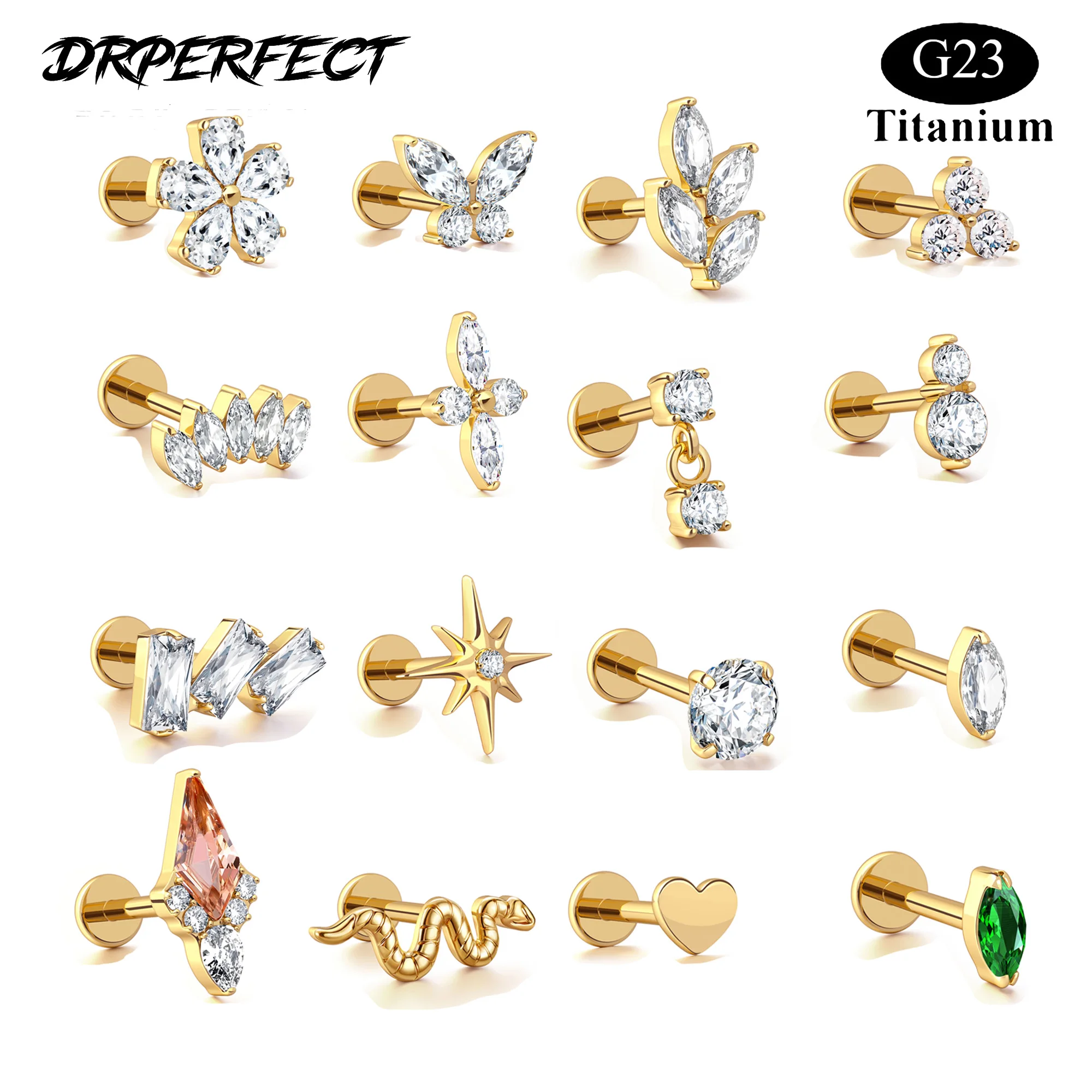
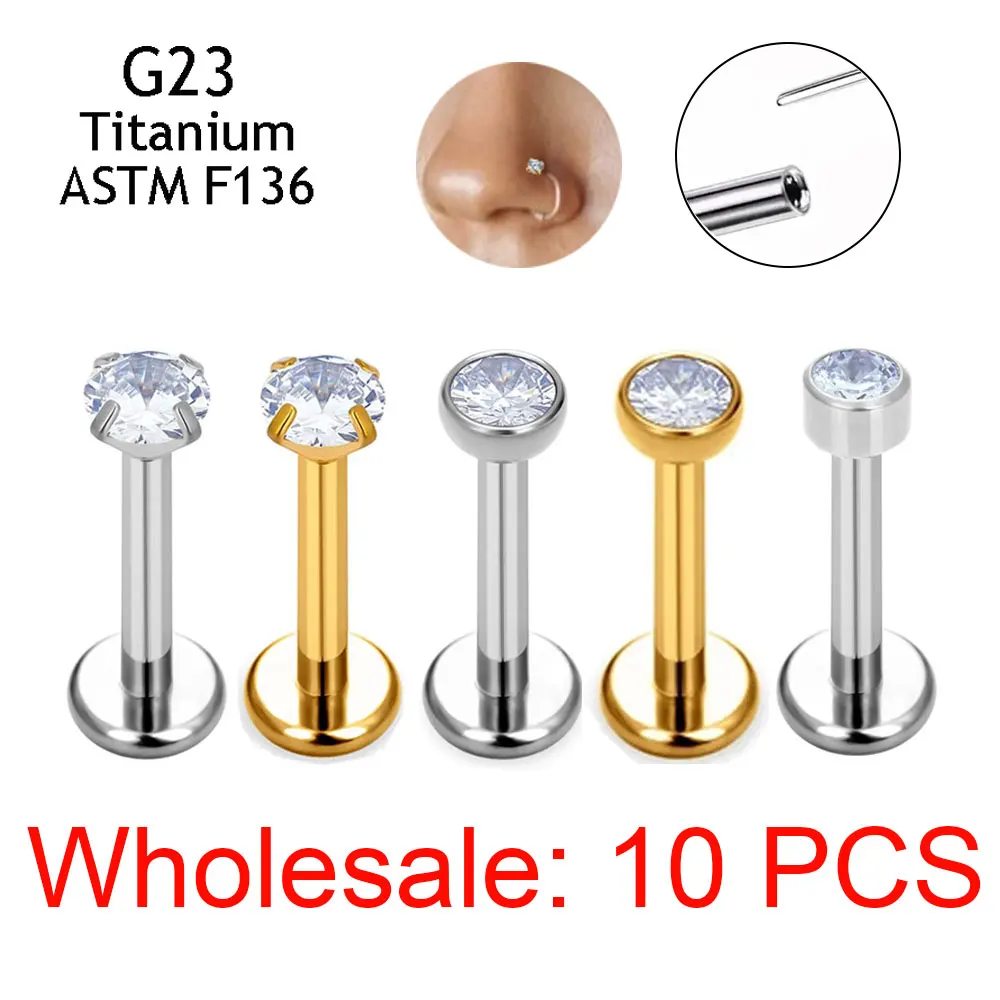
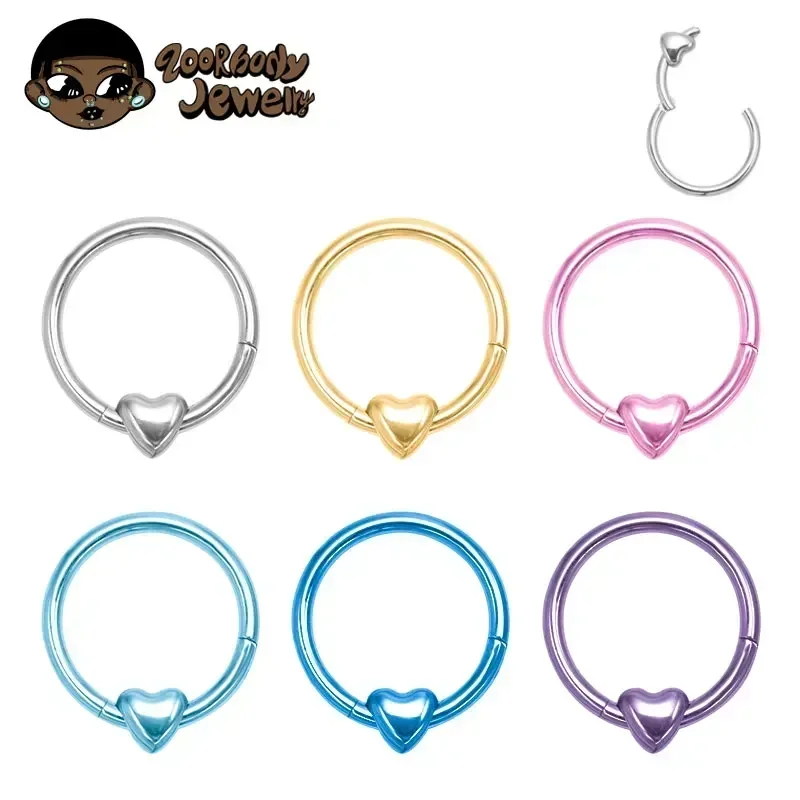
Implant-grade Titanium: Known for its hypoallergenic properties and biocompatibility. It is highly durable and less likely to cause irritation.
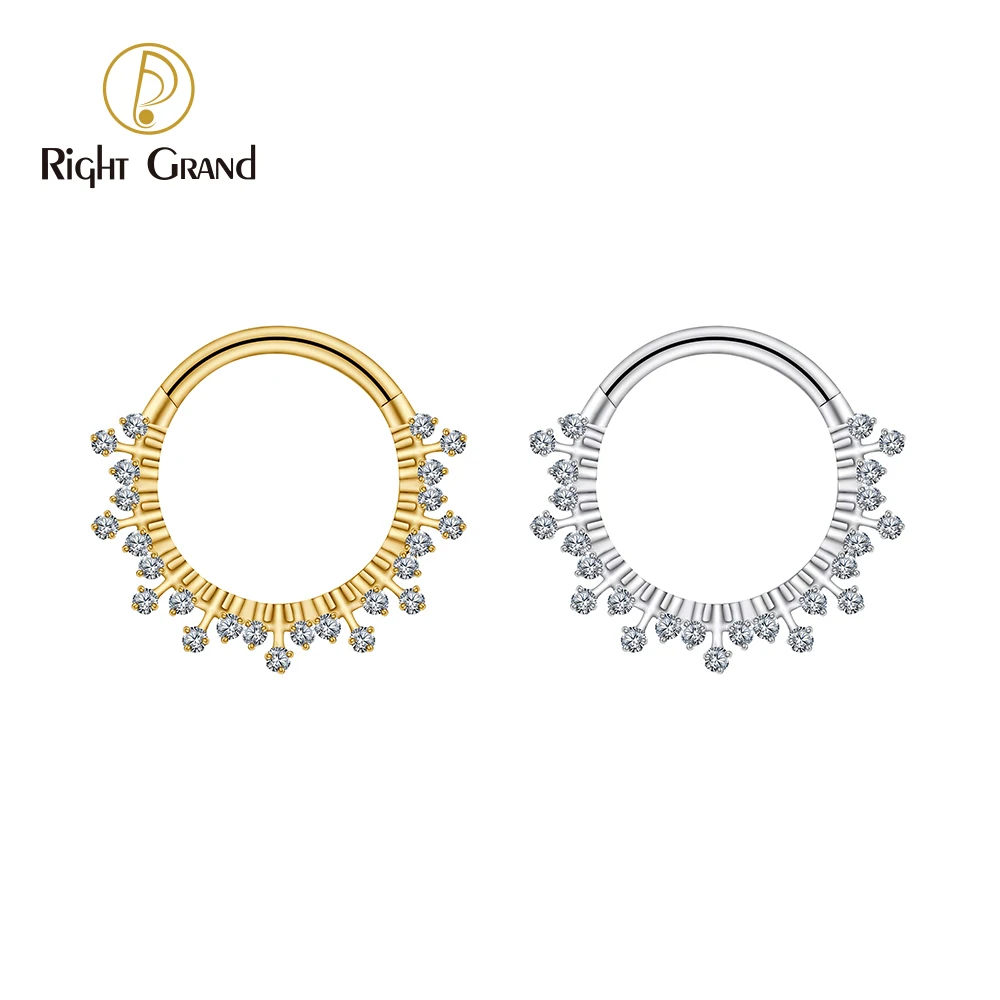
Solid 14k/18k Gold: A beautiful option that is also safe for sensitive ears due to its purity and minimal risk of allergic reactions.
Who is a Good Candidate?
The Daith piercing can be suitable for many individuals, but there are certain considerations:
No Allergies: Individuals with no known metal allergies should consider this piercing.
Adequate Ear Cartilage: A sufficient amount of cartilage is necessary to accommodate the jewelry. Our experienced staff can assess if you have enough cartilage for a safe and effective Daith piercing.
Health Concerns: If you are currently experiencing severe migraines, consult with your healthcare provider before considering this piercing as it may interact with other treatments or medications.
Why Choose an Experienced Professional?
Choosing a reputable and experienced piercer is crucial for ensuring both the safety and success of your Daith piercing. Here’s why:
Expertise: An experienced piercer has the skill to navigate the intricate cartilage fold with precision, reducing the risk of complications such as infections or improper healing.
Aseptic Technique: Our studio adheres to strict aseptic techniques to minimize the risk of infection. We use sterilized equipment and follow comprehensive hygiene protocols.
Quality Jewelry: We stock high-quality, implant-grade titanium and 14k/18k gold jewelry that is less likely to cause irritation or migration during healing.
Aftercare Support: Our staff provides detailed aftercare instructions to help you navigate the healing process smoothly. Regular follow-up appointments ensure any issues are addressed promptly.
Frequently Asked Questions (FAQ)
- Q: Is a Daith piercing painful?
While the initial pain is similar to other cartilage piercings, we use numbing cream and local anesthesia to ensure your comfort during the procedure. Some mild soreness may persist for several days after the piercing.
- Q: Can a Daith piercing help with migraines?
The connection between the ear and brain is well-documented in TCM, but scientific evidence supporting its effectiveness for migraines is limited. While some people report relief, individual results may vary.
- Q: How long does a Daith piercing take to heal?
The average healing time for a Daith piercing is 12-18 months. During this period, strict aftercare instructions are crucial to ensure proper healing and minimize infection risk.
- Q: Can anyone get a Daith piercing?
No, not everyone can safely receive a Daith piercing. Adequate ear cartilage is necessary, and individuals with metal allergies should consult their healthcare provider before proceeding. Our experienced piercer will assess your suitability during the consultation.
At Multnomah Body Piercing in Gresham, we are committed to providing you with a safe, comfortable, and high-quality Daith piercing experience. Whether for its potential health benefits or simply as an artistic expression, our experienced professionals can help you achieve your goals. Contact us today to schedule a consultation and learn more about our services.