Understanding Anti-Helix Piercings: What to Expect
The anti-helix piercing is a small but noticeable modification that involves piercing the outer ear structure just above and behind the tragus, creating an "anti" shape on the ear. This piercing is located in the cartilaginous part of the ear, making it distinct from piercings that go through the lobe or helix.
At Multnomah Body Piercing, our Gresham studio specializes in providing top-quality and comfortable anti-helix piercings using only implant-grade titanium or solid 14k/18k gold jewelry. Our experienced piercers ensure a precise placement that minimizes pain and recovery time.
The Process at Multnomah Body Piercing, Gresham
When you visit our Gresham studio for an anti-helix piercing, the process is thorough to ensure your comfort and safety. Here's what you can expect:
- Consultation: Our piercers will conduct a detailed consultation where they discuss your expectations, answer any questions, and confirm that this piercing is suitable for you.
- Cleaning: Before the piercing begins, our studio uses sterilized tools to clean the ear area thoroughly. This helps prevent infection and ensures a clean entry point.
- Anesthesia: To minimize pain during the piercing, we use local anesthesia. Our piercers will numb the area before starting the procedure.
- Piercing: The actual piercing is quick, with our experienced piercers ensuring minimal discomfort. Jewelry of your chosen type and size is inserted through the anti-helix cartilage.
Healing Process and Aftercare Requirements
The healing period for an anti-helix piercing typically lasts between 6 to 8 weeks, although some may take up to 10-12 weeks. During this time, proper aftercare is crucial:
- Cleaning: Clean the piercing with a saline solution or a mild antibacterial soap recommended by our studio.
- Dressing: Use sterile bandages to protect the piercing from excessive friction and contaminants during healing. Change them regularly, especially after showering or sleeping.
- Avoid Touching: Minimize touching the piercing as much as possible. This reduces the risk of infection and keeps the jewelry clean.
- No Swimming: Avoid swimming in pools or hot tubs during the initial healing phase to prevent water from entering the pierced area, which can cause infections.
Pain Level and What to Expect
The pain level experienced with an anti-helix piercing varies from person to person. Generally, most clients report a mild to moderate discomfort that is well-managed with local anesthesia during the procedure. Pain levels tend to be lower than piercings in the lobe or cartilage as they are smaller and usually less sensitive.
Aftercare instructions provided by our piercers will help manage any post-piercing soreness effectively. If you experience severe pain or discomfort, contact our studio for guidance on managing it.
Jewelry Options: Titanium vs 14k Gold
At Multnomah Body Piercing, we use only high-quality jewelry for all our piercings to ensure comfort and longevity. For anti-helix piercings, we offer two primary options:
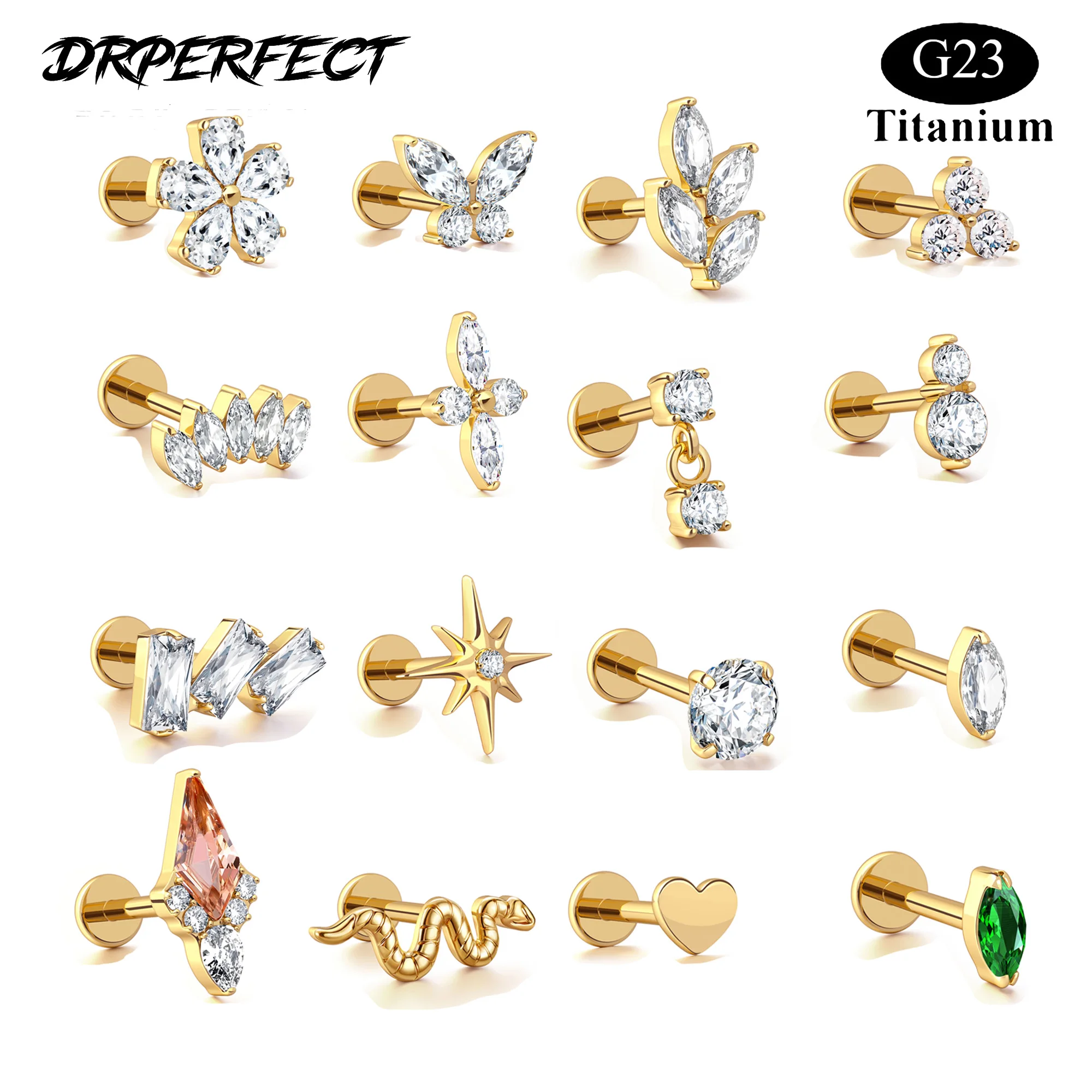
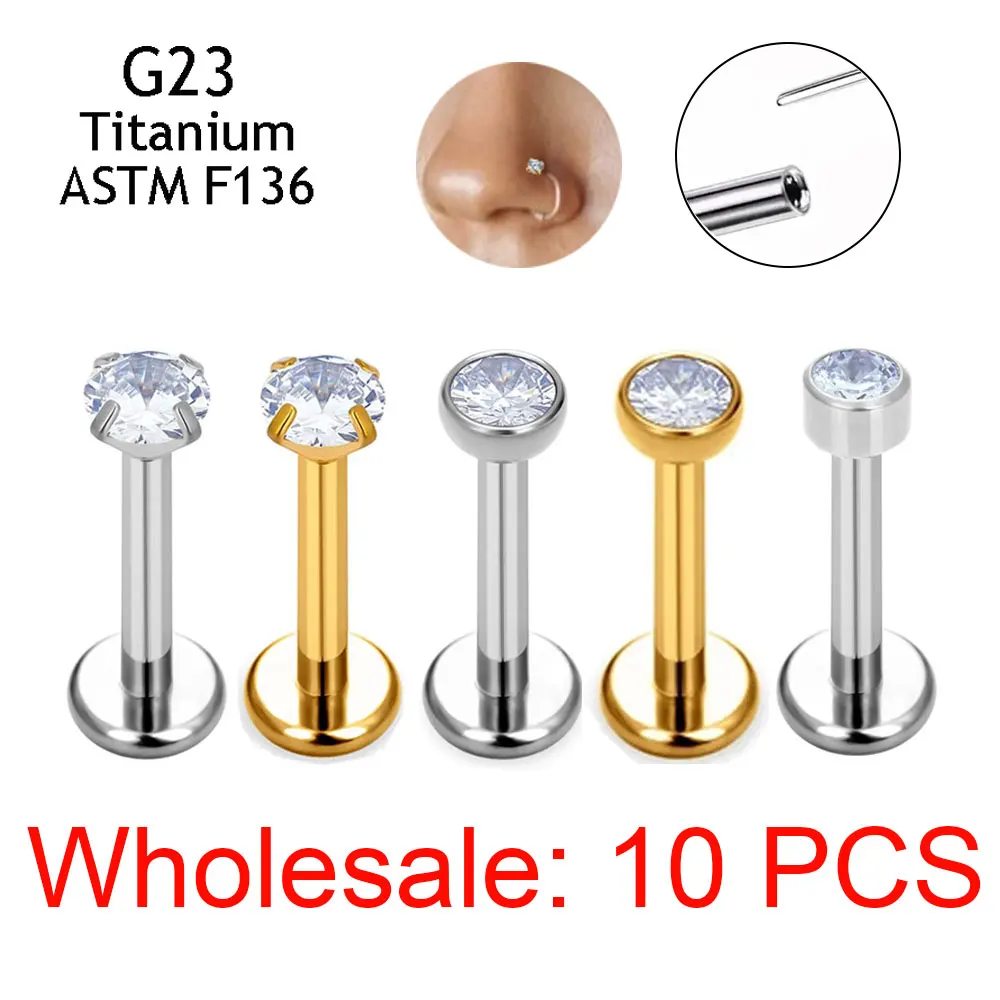
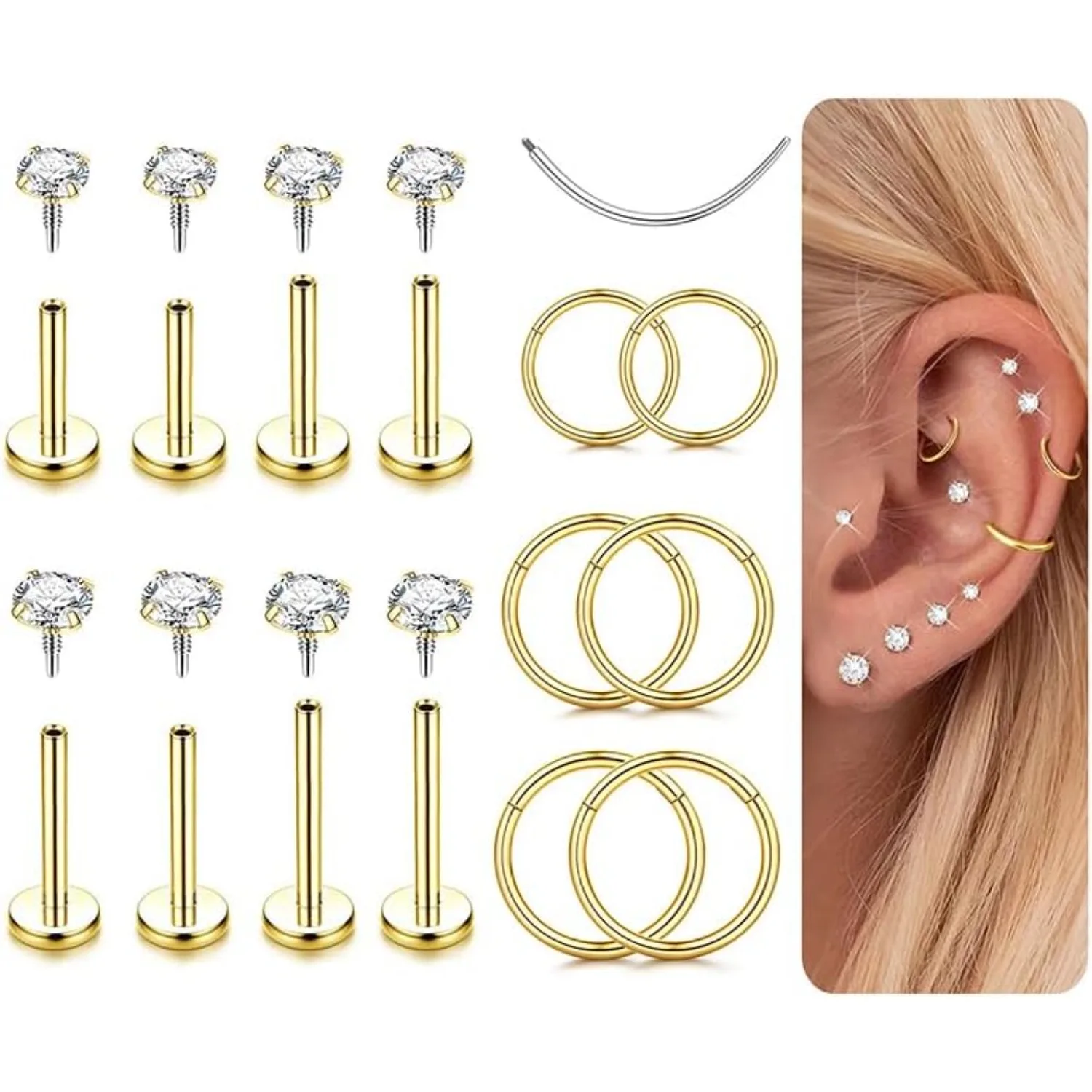
- Titanium Jewelry: Implant-grade titanium is a popular choice due to its hypoallergenic properties, durability, and lightweight nature. It’s particularly suitable for those with sensitive skin or allergies.
- Solid 14k/18k Gold Jewelry: For clients who prefer the look of gold, our studio uses solid 14k or 18k gold jewelry. This option is also hypoallergenic and has a beautiful luster that adds elegance to your piercing.
Who Is a Good Candidate for an Anti-Helix Piercing?
An anti-helix piercing can be suitable for anyone interested in body modification, but there are some factors to consider:
- Healing History: Individuals with no history of infection or adverse reactions to jewelry are better candidates. If you have had issues with piercings before, it’s best to consult our studio first.
- Skin Sensitivity: Those who experience frequent allergic reactions should opt for hypoallergenic materials like titanium or 14k/18k gold.
- Cosmetic Goals: If you’re looking to enhance the appearance of your ears, an anti-helix piercing can provide a subtle yet striking look. It’s worth discussing these goals with our piercers to ensure they align with your expectations.
Common Questions and Concerns About Anti-Helix Piercings
Here are some frequently asked questions about the anti-helix piercing:
- Q: How painful is an anti-helix piercing?
- A: The pain level can vary, but it’s generally moderate. We use local anesthesia to ensure minimal discomfort during the procedure.
- Q: Can I get an anti-helix piercing if I have sensitive skin?
- A: Yes, you can! We offer hypoallergenic materials like titanium and 14k gold that are perfect for individuals with sensitive skin or allergies.
- Q: How long does the healing process take?
- A: The typical healing time is between 6 to 8 weeks, but it can extend up to 10-12 weeks. Proper aftercare is crucial during this period.
- Q: Is an anti-helix piercing suitable for all ear shapes and sizes?
- A: Our experienced piercers can work with most ear structures to ensure a precise placement that looks good on everyone, regardless of their specific anatomy.
Why Choose Multnomah Body Piercing in Gresham?
Picking the right studio for your piercing is as important as choosing the right jewelry. At Multnomah Body Piercing, we pride ourselves on:
- Experience and Expertise: Our piercers have years of experience and specialize in creating beautiful and safe piercings.
- Hypoallergenic Jewelry: We use only implant-grade titanium or solid 14k/18k gold jewelry, ensuring comfort and longevity for your piercing.
- LGBTQ+ Welcoming Environment: Our studio is a safe space for everyone, regardless of their sexual orientation or gender identity. We celebrate diversity and inclusivity.
We take pride in offering a comfortable and professional experience from start to finish. Whether you're getting an anti-helix piercing or any other body modification, our goal is to ensure that your journey with us is both enjoyable and safe.